
Florida homeowners often think our sunny climate means our roofs are safe from weather-related damage. We tend to focus on hurricanes and heavy rain, but what about the other stuff? Turns out, even mild cold snaps and temperature shifts can cause trouble for your roof if you’re not careful. Let’s clear up some common misunderstandings about roof maintenance Orlando and keep your home protected year-round.
Key Takeaways
- Florida roofs aren’t immune to cold weather; temperature swings can stress materials and cause damage.
- Regular roof maintenance Orlando, including inspections and cleaning gutters, prevents minor issues from becoming major ones.
- Don’t rely on patch jobs; sometimes a new roof is a better long-term investment.
- Not all shingles are created equal; choosing quality materials suited for Florida’s climate is important.
- Understand your roof’s warranty and avoid risky DIY repairs; professional inspections are key to identifying hidden problems.
Florida’s Cold Weather: A Real Roofing Concern
Understanding Temperature Swings and Roof Stress
Most folks think of Florida as a tropical paradise, and for good reason. We get a lot of sunshine, and our winters are usually pretty mild. But that doesn’t mean our roofs are completely off the hook when it comes to cold weather. Even here, we can get those sudden cold fronts that send temperatures dipping, sometimes below freezing for a bit. What’s really tricky for roofs isn’t just the cold itself, but the swings in temperature. Imagine your roof getting hot in the afternoon sun, then suddenly getting cold at night. This constant expanding and contracting puts a strain on the materials. It’s like bending a paperclip back and forth – eventually, it can weaken and break.
- Expansion and Contraction: Materials naturally change size with temperature. Rapid shifts can stress seams and seals.
- Material Fatigue: Over time, repeated expansion and contraction can lead to tiny cracks or make existing weaknesses worse.
- Moisture Trapping: Small gaps created by temperature stress can allow moisture to get in, leading to rot or mold.
The real danger lies in how these small stresses can add up over time, especially if your roof isn’t in perfect condition.
The Myth of Florida’s Immunity to Cold
It’s easy to fall into the trap of thinking, "It never gets that cold here, so my roof is fine." This is a common misconception. While we don’t deal with heavy snow loads like up north, even a few days of temperatures near or below freezing can cause problems, particularly if there are already minor issues with your roof. Think about it: if a shingle is already a bit loose or if the sealant around a vent is cracking, a sudden cold snap can make that weakness more pronounced. Water can get into these small openings, and if it freezes, it expands, making the damage worse. This is why it’s important to keep an eye on your roof’s condition year-round, not just during the summer hurricane season. You might not see obvious leaks right away, but hidden damage can be brewing.
Even if you don’t see water dripping inside, the materials on your roof are constantly working against the elements. Temperature changes are a big part of that, and ignoring them can lead to bigger headaches down the road.
Why Winter Inspections Matter for Orlando Roofs
Even in a place like Orlando, where winters are generally mild, getting a winter roof inspection is a smart move. It’s not just about checking for leaks from the occasional cold snap. A good inspection can catch issues that might have developed over the summer or from those temperature swings we talked about. Things like cracked sealants, loose flashing, or even minor shingle damage can be spotted before they turn into major problems. It’s a good idea to have a professional roofer take a look, especially if your roof is older or if you’ve had any work done recently. They know what to look for and can tell you if anything needs attention. This proactive approach can save you a lot of money and hassle later on. Don’t wait for a problem to appear; get ahead of it with a regular check-up, and consider looking into local roofing services for peace of mind.
Beyond the Rain: Protecting Your Roof Year-Round
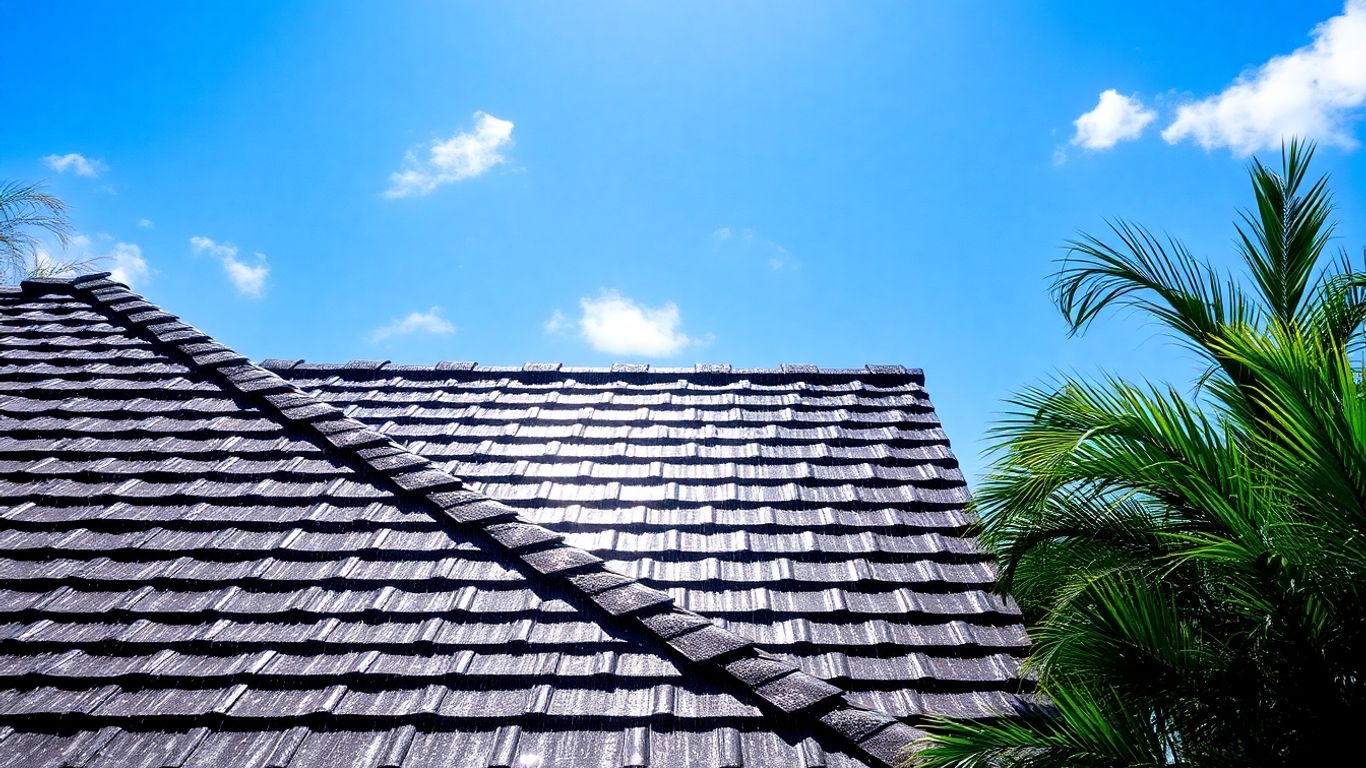
So, we’ve talked about the rain, but what about the other stuff? Florida’s weather isn’t just about downpours; it’s a whole mix. Keeping your roof in good shape means looking beyond just the obvious water issues. It’s about being proactive, even when the sun is shining.
Addressing Minor Damage Before It Escalates
It’s easy to think, “If it’s not leaking, it must be fine.” But honestly, that’s how small problems turn into big, expensive headaches. Think of it like a tiny chip in your car’s windshield – ignore it, and it can spread. The same goes for your roof. A single missing shingle, a bit of loose flashing around a vent, or even a small crack in a sealant can let moisture in. This might not cause an immediate drip, but over time, it can weaken the materials underneath, leading to rot or structural damage. Catching these little things early is way cheaper than fixing a major issue later. It’s worth taking a walk around your house every few months to just look up.
The Importance of Gutter Maintenance
Your gutters are like the drainage system for your roof. If they get clogged with leaves, twigs, or whatever else the wind blows in, water has nowhere to go but back up. This backup can seep under your shingles or fascia boards, causing rot and damage. It can also overflow, damaging your siding and even your foundation. So, cleaning your gutters a couple of times a year, especially after a big storm or when trees are shedding, is a really good idea. Make sure the downspouts are also clear and directing water away from your house. You can even use a hose to flush them out and check for proper flow. If you notice any sagging or leaks in the gutters themselves, it’s best to get those fixed too. Keeping those channels clear helps protect your whole home.
Trimming Trees for Roof Health
Those big, beautiful trees around your house? They’re great for shade, but their branches can be a real menace to your roof. When winds pick up, branches can scrape against your shingles, wearing away the protective granules. Worse, a heavy limb can snap and fall right onto your roof, causing serious damage. Even just leaves and pine needles can accumulate in your roof’s valleys or gutters, trapping moisture and leading to rot. It’s a good practice to trim back any branches that hang over your roofline. You want to give them at least a few feet of clearance. If you have large trees or branches that look risky, it’s probably best to call a professional arborist. They have the right equipment and know-how to do it safely. Keeping your roof clear of encroaching foliage is a simple step that really helps prevent damage. You can find local services for tree trimming if you need a hand.
Common Roofing Myths Debunked for Homeowners
It’s easy to fall for common misconceptions about roofs, especially when you’re trying to save a buck or just don’t want the hassle. But some of these myths can actually cost you more in the long run. Let’s clear up a few.
"If It’s Not Leaking, It Must Be Fine"
This is a big one. Just because you don’t see water dripping from your ceiling doesn’t mean your roof is in perfect shape. Small issues, like shingles that are starting to lift or tiny cracks in the flashing around your chimney, can let water in. By the time you spot a water stain, there could already be rot or mold growing underneath. Catching these small problems early is key to avoiding major damage.
"I’ll Just Keep Patching It"
Sure, a patch can fix a small problem temporarily. But if you find yourself constantly calling for minor repairs, those costs can really add up. It’s like putting a band-aid on a bigger wound. Eventually, you’re still left with an old roof that isn’t performing as well as it should, and you’ve spent more than you might have on a new one. Sometimes, a full replacement is the smarter, more cost-effective choice for the long haul.
"All Shingles Are Basically the Same"
This couldn’t be further from the truth. Shingles vary a lot in quality. Cheaper options might look okay initially, but they often don’t stand up well to Florida’s intense sun, sudden storms, or strong winds. Investing in higher-quality shingles means they’ll last longer, require fewer repairs, and offer better protection for your home. When looking at options, consider materials like those used in metal roofing systems which are known for their durability.
Don’t let outdated ideas about roof care lead to unnecessary expenses or put your home at risk. Regular checks and understanding what your roof truly needs are the best ways to protect your investment.
Proactive Steps for Optimal Roof Maintenance in Orlando
It’s easy to think of roof maintenance as something you only need to worry about when a big storm is brewing, but that’s not quite right. Taking care of your roof all year round, especially here in Orlando, can save you a lot of trouble and money down the line. Think of it like getting regular check-ups for your health; it’s better to catch small things before they become big problems.
The Benefits of Preventive Maintenance
Putting off roof upkeep is like ignoring a small crack in your windshield. It might not seem like much at first, but that crack can spread and eventually obscure your entire view. For your roof, small issues like a few loose shingles or some clogged gutters can lead to water intrusion, mold growth, and even structural damage if left unaddressed. Regular maintenance helps prevent these bigger, more expensive issues from popping up. It also means your roof lasts longer, which is a win for your wallet and your home’s overall value. Plus, a well-maintained roof helps keep your energy bills lower by preventing air leaks.
- Extend Roof Lifespan: Regular care can add years to your roof’s life, delaying costly replacements.
- Prevent Water Damage: Catching leaks early stops water from damaging insulation, drywall, and wooden structures.
- Improve Energy Efficiency: A sound roof prevents unwanted air leaks, helping your HVAC system work more efficiently.
- Maintain Home Value: A well-kept roof is a significant selling point for potential buyers.
When to Call a Professional Roofer
While you can certainly do some basic checks yourself, there are times when you absolutely need to bring in the pros. If you notice significant damage, like a large number of missing shingles after a storm, or if you see sagging areas on your roof, it’s time to call a professional. Also, if you’re uncomfortable getting up on the roof yourself, or if you suspect a leak but can’t pinpoint it, a professional roofer has the tools and experience to find and fix the problem safely. They can also spot subtle issues that a homeowner might miss, like compromised flashing around chimneys or vents. Don’t hesitate to reach out for help; it’s often cheaper than dealing with the aftermath of a major failure. You can find local roofing services by searching online for roof repair Orlando.
DIY Checks vs. Professional Inspections
Doing your own visual checks is a good start. You can walk around your house and look for obvious problems like debris in the gutters, shingles that look out of place, or any signs of wear and tear visible from the ground. Checking your attic for water stains or damp insulation is also a smart move. However, a professional inspection goes much deeper. A qualified roofer can safely get onto your roof and examine areas you can’t see, like the condition of the underlayment, the seals around vents, and the integrity of the flashing. They know what to look for regarding potential weak spots or early signs of damage that could lead to bigger issues later. It’s a good idea to have a professional inspection at least once a year, perhaps in the spring, to get your roof ready for the summer heat and rainy season.
A little bit of attention paid to your roof throughout the year can make a big difference. It’s about being proactive rather than reactive when it comes to protecting your home from the elements.
Choosing the Right Materials for Florida’s Climate
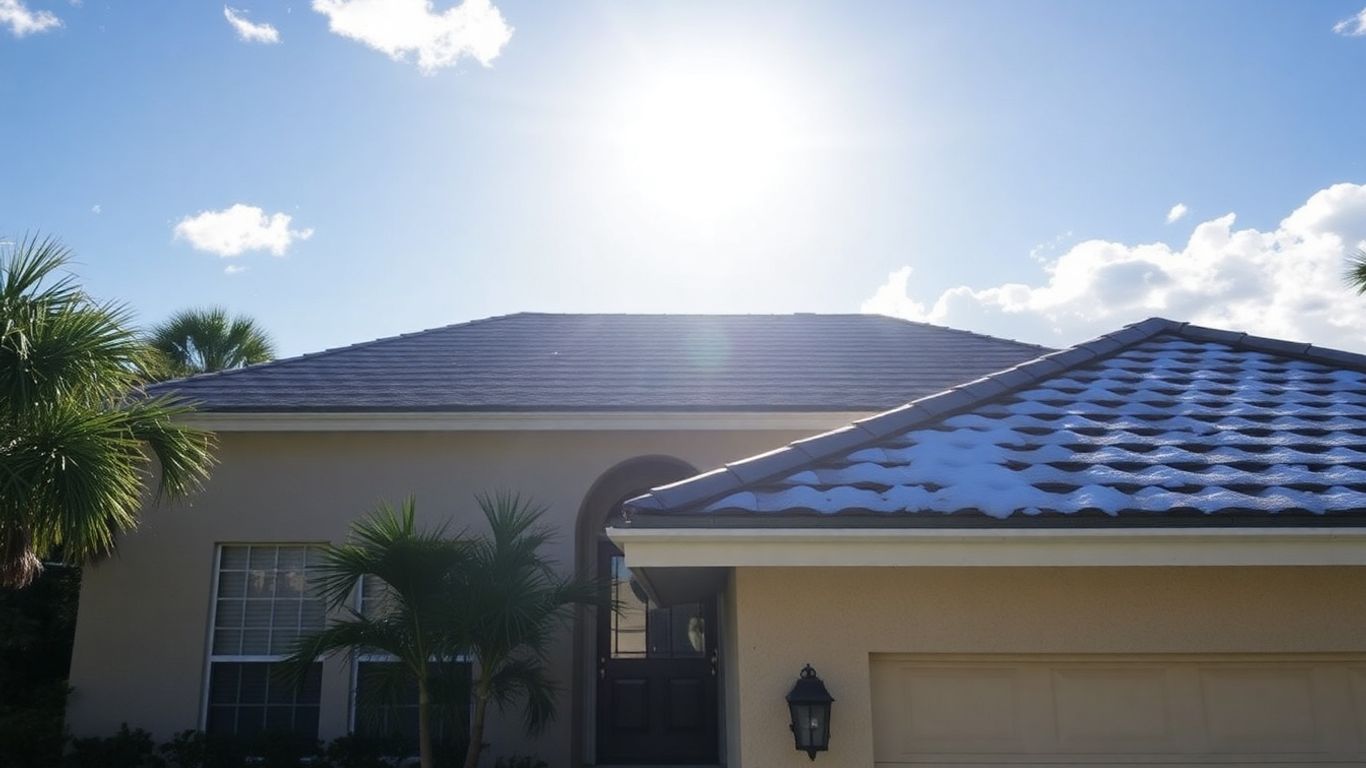
When you’re thinking about a new roof for your Florida home, picking the right stuff to put on it is a pretty big deal. It’s not just about how it looks, but how it’s going to hold up against our unique weather. We get a lot of sun, heavy rain, and sometimes, those wild temperature swings that can really stress out a roof.
Asphalt Shingles and Temperature Fluctuations
Asphalt shingles are super common, and for good reason – they’re usually the most budget-friendly option. They do a decent job with our rain and sun, but here’s the thing: when it gets cooler, especially during those rare cold snaps, asphalt can get a bit brittle. If something hits it when it’s brittle, like a falling branch or even hail, it can crack. Plus, those days where it’s warm in the afternoon and then cools off fast at night? That constant back-and-forth can make shingles curl or even loosen up over time. It’s not ideal, but they’re a workable choice if you’re on a tighter budget.
Durability of Metal and Tile Roofs
Metal roofs are becoming really popular here, and honestly, they make a lot of sense for Florida. They’re tough and can handle strong winds and heavy rain really well. Metal expands and contracts as a whole piece when the temperature changes, which is way better than individual shingles doing their own thing. However, if it’s not put on right, or if there aren’t enough spots for it to move, the panels can sometimes warp. Still, a properly installed metal roof is a solid choice for long-term protection. Metal roofs are an excellent choice for Florida’s climate, offering superior durability and resistance to high winds, rain, and sun.
Clay and concrete tiles are also a classic look for Florida homes. They handle the heat like champs. The main things to watch out for with tiles are their weight – your roof structure needs to be able to handle it – and the possibility of cracking. If water gets into tiny cracks and then freezes (which, while rare, can happen), the expansion can widen those cracks. So, proper installation is key here too.
Considerations for Flat or Low-Slope Roofs
Some homes, especially certain commercial buildings or modern designs, have flat or low-slope roofs. The biggest challenge with these is making sure water drains off properly. If water sits on the roof and then we get a cold spell, you can get freeze-thaw cycles. This is where water gets into small imperfections, freezes, expands, and then thaws, repeating the process. Over time, this can weaken the roof’s surface. It’s not as common a problem here as in colder climates, but it’s something to be aware of, especially with older or poorly maintained flat roofs.
When you’re picking out roofing materials, think about how they’ll react to our weather patterns. It’s about finding that balance between cost, looks, and how well it’s going to protect your home for years to come. Don’t just go with what everyone else has; consider what works best for your specific house and location in Florida.
Warranty Wisdom and DIY Dangers
Understanding Your Roof’s Warranty
It’s easy to think that once your roof is installed, you’re covered for pretty much anything. But that’s not always the case. Many roof warranties have some pretty specific fine print. For example, if your roof wasn’t put on exactly according to the manufacturer’s guidelines, or if the attic ventilation isn’t up to par, you might find out your warranty is no good when you actually need it. A solid warranty really starts with a proper installation. That’s why picking a certified contractor who knows all the ins and outs is so important. They’ll make sure everything is done right the first time, so you don’t have to worry about voiding your coverage later.
The Risks of DIY Roof Repairs
Look, we get it. You see a loose shingle or a small leak and think, "I can totally fix this myself." And maybe you can, if you’re a seasoned roofer with all the right gear and a good head for heights. But for most of us? It’s a recipe for disaster. Roofing is genuinely dangerous work. Even a small mistake during a DIY repair can lead to bigger problems down the road, not to mention the very real risk of a serious fall. Plus, you might end up causing more damage than you fix, which definitely won’t save you money in the long run. It’s often better to call in the pros, like Red Rhino Roofing, who have the skills and tools to do the job safely and correctly.
Recognizing Cosmetic vs. Serious Issues
Sometimes, it’s tempting to ignore little things like a bit of moss growth or a slight discoloration on your shingles. You might think, "It’s just cosmetic, no big deal." But those small signs can actually be early warnings. That moss could be trapping moisture against your shingles, and a spot that looks a little off might mean the shingles are starting to wear out. A sagging area could even point to waterlogged roof decking underneath. What seems minor now can quickly turn into a much bigger, more expensive problem if you don’t address it. Regular check-ups can help catch these issues before they become major headaches.
When it comes to your roof, understanding warranties is key. But trying to fix things yourself can sometimes lead to bigger problems. Don’t risk making a small issue worse! Visit our website to learn more about protecting your home and when to call the pros.
Wrapping It Up: Keeping Your Florida Roof in Shape
So, we’ve talked about how Florida roofs aren’t totally immune to cold weather issues, even if we don’t get blizzards. Those temperature swings can still cause problems for your shingles and other roof parts if things aren’t in good shape. It really comes down to keeping an eye on your roof all year long. Regular check-ups, fixing small things before they get big, and knowing when to call in a professional are the best ways to avoid headaches. Don’t let the idea that ‘it’s Florida, so it’s fine’ catch you off guard. A little bit of attention to your roof now can save you a lot of trouble and money down the road, no matter the season.
Frequently Asked Questions
Does Florida really need to worry about cold weather and roofs?
Yes, even though Florida doesn’t get super cold like other states, sudden drops in temperature can still stress your roof. Think of it like bending a plastic ruler back and forth – it can weaken and eventually crack. Florida’s weather can do something similar to roof materials when temperatures change quickly.
What’s the biggest mistake people make with their roofs in Florida?
A common mistake is thinking a roof is fine just because it’s not leaking. Small problems, like a shingle that’s starting to lift or a small crack in the sealant, can let water in slowly. By the time you see a water stain, there might already be rot or mold damage hidden underneath.
Is it okay to just patch up small roof problems myself?
While it might seem like a good way to save money, constantly patching can end up costing more in the long run. Plus, if the patch isn’t done perfectly, it might not last or could even cause other issues. Sometimes, getting a professional to fix it right the first time is the better choice.
How important is it to clean my gutters?
Gutters are really important! If they get clogged with leaves and debris, water can’t flow away properly. This can cause water to back up onto your roof, especially during heavy rain. That extra moisture can then seep under your shingles, and if it gets cold enough, it can cause damage.
When should I call a professional roofer?
You should call a roofer if you see anything unusual, like water stains on your ceiling, or if you notice missing shingles, sagging areas, or cracks. If you’re not sure how to safely check for these things or what they mean, it’s always best to get an expert opinion.
Are all roof shingles the same?
No, definitely not. Cheaper shingles might look okay at first, but they usually don’t hold up as well against Florida’s sun, rain, and wind. Higher-quality shingles are made to last longer and handle different weather conditions better, which means fewer repairs and a stronger roof.