
Living in Florida means dealing with a lot of sun and rain, and sometimes even a surprise cold snap. Many homeowners think because we don’t get snow like up north, our roofs are pretty much invincible. But that’s not quite right. Your roof works hard all year, and even our mild weather can cause problems if you’re not careful. Let’s clear up some common ideas about roofs here in Florida and talk about what really keeps them in good shape.
Key Takeaways
- Florida roofs need year-round attention, not just during hurricane season, as temperature changes can stress materials.
- Regular roof maintenance in Orlando, including inspections and prompt repairs, prevents small issues from becoming big problems.
- Choosing the right roofing materials and keeping gutters clean are vital for protecting your home from heavy rain.
- Don’t ignore minor roof damage; address it quickly to avoid more costly repairs later.
- Professional roof inspections are important for spotting hidden damage that homeowners might miss.
Debunking Cold Weather Myths for Orlando Roofs
Many folks in Orlando think that because we don’t get harsh winters like up north, our roofs are pretty much safe from cold weather damage. While it’s true we dodge blizzards and deep freezes, that doesn’t mean our roofs are completely off the hook when temperatures drop. Florida can still see those surprising cold snaps, and even a few nights dipping near or below freezing can put a strain on your roofing materials, especially if they’re already a bit worn.
Florida’s Unexpected Cold Snaps
It’s easy to get complacent about the cold here, but we do get them. These aren’t usually long-lasting, but a sudden drop in temperature can catch you off guard. Think about it: your roof might be soaking up the sun all afternoon, getting pretty warm, and then bam! The temperature plummets after sunset. This constant expansion and contraction, day in and day out, can weaken shingles, cause small cracks to form, or stress seals around vents and chimneys. If you’re not paying attention, these little issues can turn into bigger headaches down the road.
The Impact of Temperature Fluctuations
Temperature swings are the real culprit here. When materials heat up, they expand, and when they cool down, they contract. This natural process is normal, but when it happens rapidly or repeatedly, it can cause problems. For your roof, this means shingles can become brittle, seals can lose their grip, and even the underlying structure can be affected over time. It’s not about surviving a blizzard; it’s about enduring the daily push and pull of our sometimes-wild Florida weather. Even a minor crack from a temperature fluctuation can let in moisture, which then becomes a problem when it freezes and expands again.
Why Orlando Roofs Need Year-Round Attention
Because of these temperature fluctuations and the occasional cold snap, it’s a good idea to treat your roof like it needs attention all year, not just when hurricane season rolls around. Regular checks can help you spot minor issues before they become major ones. For instance, keeping your gutters clean is important. Clogged gutters can cause water to back up, and if that water freezes, it can cause damage. Also, trimming back trees that hang over your house can prevent branches from scraping or damaging shingles, especially when the wind picks up during cooler weather.
It’s also worth considering the materials your roof is made of. Some materials handle temperature changes better than others. For example, architectural asphalt shingles are generally more robust than basic 3-tab shingles and can withstand a bit more stress from temperature swings. Metal roofing is another option that’s known for its durability in various conditions. If you’re thinking about a new roof, it’s a good time to discuss these options with a professional to see what works best for our local climate.
Don’t wait for a visible leak to address potential roof problems. Small issues, like a loose shingle or a small crack, can be exacerbated by temperature changes and lead to significant water damage if left unattended.
When you’re looking at your roof, keep an eye out for anything unusual. Missing shingles, cracked sealant around vents, or even water stains on your ceiling are all signs that something might be wrong. If you’re not comfortable getting up on a ladder to take a look yourself, it’s always best to call in a professional. They have the tools and the know-how to spot problems you might miss. Finding a qualified Orlando roofer who understands our specific climate challenges is key to keeping your home protected.
Proactive Roof Maintenance in Orlando
It’s easy to think of your roof as something you only need to worry about when a big storm hits or when you see a leak. But honestly, that’s not the best way to handle it. Taking care of your roof before problems pop up is way smarter, and it can save you a lot of headaches and cash down the line. Think of it like getting regular check-ups at the doctor; you want to catch things early, right? Your roof is no different.
The Importance of Regular Inspections
When was the last time you really looked at your roof? Most of us don’t get up there often, and that’s where professionals come in. A good roofer can spot things you’d never notice from the ground. They check for things like shingles that are starting to lift, nails that have popped out, or even small cracks in the flashing around vents and chimneys. These little issues, if ignored, can turn into big leaks when the rain starts. It’s a good idea to have someone look at your roof at least once a year. Getting a professional roof inspection before the rainy season really kicks in is a smart move.
Addressing Minor Issues Promptly
So, you found a loose shingle or a small drip in the attic. Don’t just ignore it. Seriously, don’t. That tiny problem can quickly become a major water intrusion issue, especially with Florida’s sudden downpours. Water finds its way into the smallest openings, and before you know it, you could have stained ceilings, damaged insulation, or worse, structural problems. Fixing these small things right away is key. It’s like patching a small hole in your favorite shirt before it rips all the way down. It keeps the integrity of the whole thing intact.
Benefits of Preventive Care
People sometimes see roof maintenance as just another expense, but it’s really an investment. Keeping up with your roof can actually save you money in the long run. It helps your roof last longer, meaning you won’t have to pay for a full replacement as soon. Plus, a well-maintained roof prevents energy loss, which can lower your utility bills. It also makes your home more attractive if you ever decide to sell. A buyer will definitely notice if the roof looks like it’s been cared for. It’s about protecting your home and your wallet.
Here’s a quick look at what regular maintenance can help prevent:
- Water damage to ceilings and walls
- Mold and mildew growth in the attic
- Damage to insulation
- Structural issues from rot
- Increased energy bills due to poor sealing
Taking a proactive approach to your roof’s health is one of the most effective ways to protect your Orlando home from the unpredictable weather patterns we experience here. It’s not just about avoiding leaks; it’s about preserving the overall condition and value of your property.
If you’re not sure where to start, consider reaching out to a local company that specializes in roof maintenance services. They can help you get a clear picture of your roof’s current condition and recommend the best course of action to keep it in great shape year-round.
Protecting Your Roof from Florida’s Elements
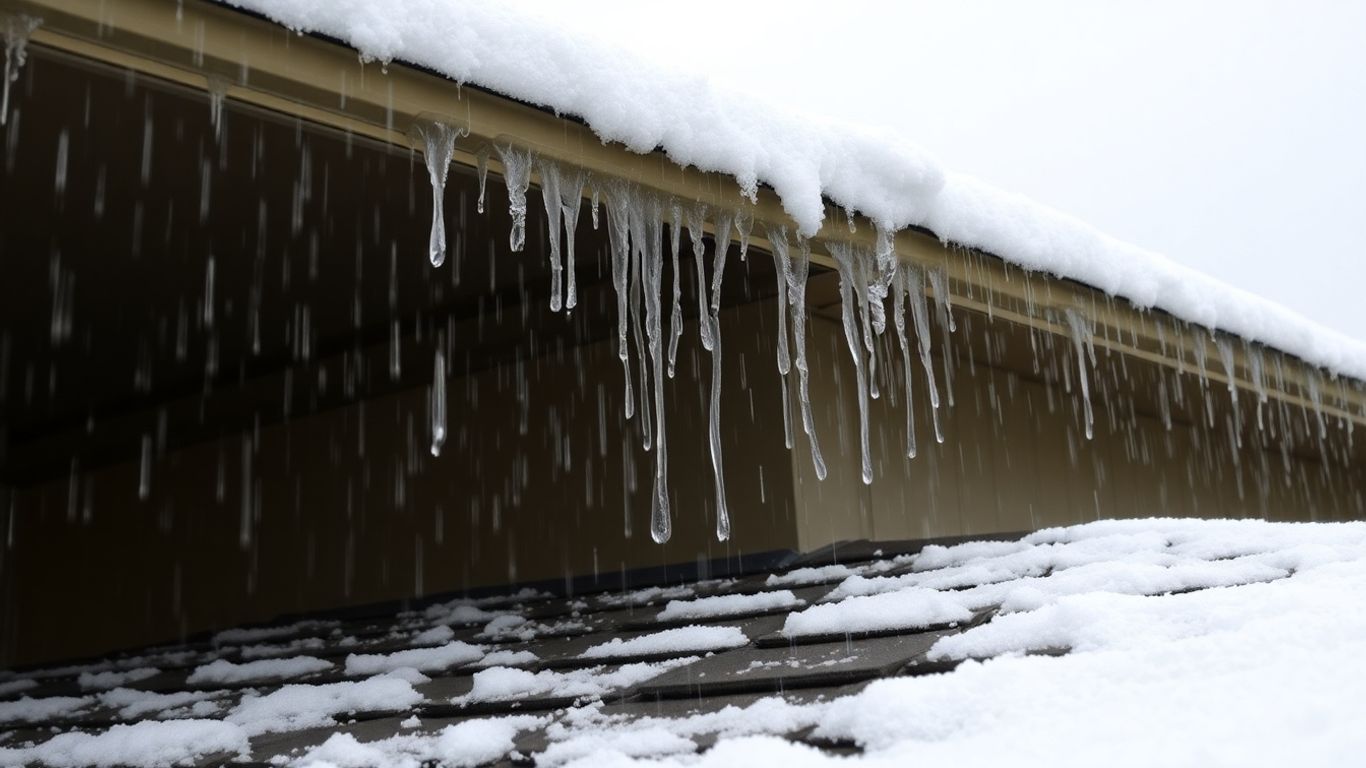
Florida’s weather can be pretty wild, right? We get those intense summer sunbeams, sudden downpours, and, of course, the occasional hurricane threat. Your roof is basically the shield for your whole house against all of that. So, keeping it in good shape isn’t just about looks; it’s about keeping your home safe and dry.
Preparing for Heavy Rain and Storms
When those big rain clouds roll in, or if a storm is brewing, a few things can really help your roof stand up to the challenge. First off, keeping your gutters clear is super important. Seriously, clogged gutters can make water back up onto your roof, and that’s never good. It can seep under shingles and cause all sorts of headaches, especially if the temperature dips a bit.
It’s also a good idea to just do a quick check from the ground now and then. You know, look for any shingles that might be loose or missing. A simple visual inspection from the ground can help you spot potential problems before they turn into big leaks. It’s a good first step in preparing your roof for Florida’s rainy season.
Choosing the Right Roofing Materials
Not all roofing materials are created equal, especially when you’re dealing with Florida’s climate. For instance, metal roofs are known for being tough against high winds and they also reflect a lot of that intense sun, which can help with your energy bills. Tile roofs are another solid choice; they hold up well and look great too.
If you’re thinking about shingles, opt for the heavier, architectural kind. They offer better wind resistance compared to the standard ones. Picking the right material upfront can save you a lot of hassle and money down the road.
The Role of Gutters in Roof Health
Gutters get a bad rap sometimes, but they’re actually pretty vital for your roof’s well-being. Their main job is to channel rainwater away from your home’s foundation and walls. When they get clogged with leaves and debris, that water has nowhere to go but to pool up.
This pooling water can overflow and run down the side of your house, potentially causing damage to siding and landscaping. Worse, it can back up under your shingles or into your fascia boards, leading to rot and leaks. So, giving your gutters a good cleaning a couple of times a year, especially before the rainy season kicks off, is a really smart move. You might even consider gutter guards to help keep the gunk out.
A well-maintained gutter system works hand-in-hand with a healthy roof to protect your home from water damage. Ignoring them is like leaving a door open for trouble.
When to Call a Professional for Roof Help
Sometimes, you can spot a problem with your roof just by looking around your house. Maybe you see a shingle that’s come loose, or perhaps there’s a water stain on the ceiling. These are clear signs that something isn’t right. But what about the issues you can’t see? That’s where knowing when to bring in the pros really matters.
Recognizing Signs of Roof Damage
It’s easy to think, "If it’s not leaking, it’s fine." But that’s not always the case. Small problems can grow into big, expensive ones if you ignore them. Keep an eye out for these common indicators that your roof might need a closer look:
- Visible Damage: Missing shingles, cracked tiles, or bent flashing around chimneys and vents are pretty obvious. Don’t just assume a missing shingle is no big deal; it leaves the underlayment exposed to the elements.
- Interior Clues: Check your attic or the top floor of your house. Water stains on the ceiling or walls, damp insulation, or even a musty smell can point to a slow leak that’s been happening for a while.
- Granule Buildup: If you have asphalt shingles, check your gutters and downspouts. If you find a lot of shingle granules collected there, it means the shingles are wearing down faster than they should.
- Sagging Areas: If parts of your roof look like they’re dipping or sagging, that’s a serious sign of structural weakness. This could be due to water damage or problems with the roof decking.
Ignoring small roof issues is like ignoring a small cavity in your tooth. It might not hurt now, but it can lead to much bigger problems down the road if you don’t get it checked out.
Understanding Professional Inspections
While you can do a basic check yourself, a professional roofer brings a trained eye and the right tools to the job. They know what to look for, even in places you can’t easily access.
- Safety First: Professionals have the safety equipment and training to get on your roof without risk. Trying to climb up there yourself can be dangerous, especially if the roof is wet or steep.
- Detailed Assessment: They’ll check not just the shingles but also the flashing, seals around vents and skylights, the condition of the underlayment, and the attic ventilation. They can spot subtle signs of wear that you might miss.
- Written Report: A good roofer will provide a clear report detailing any issues found, often with photos, and explain what needs to be done and why.
Finding a Qualified Orlando Roofer
Choosing the right person to fix your roof is just as important as knowing when to call them. You want someone reliable and skilled.
- Check Reviews and References: Look for local companies with good online reviews. Ask friends or neighbors for recommendations.
- Verify Licensing and Insurance: Make sure the roofer is licensed and insured. This protects you if something goes wrong during the work.
- Get Multiple Quotes: It’s wise to get estimates from at least three different companies. Compare not just the price but also what’s included in the service and the warranty offered.
- Ask About Experience: Inquire about their experience with the specific type of roof you have and if they’re familiar with common Florida weather issues.
Common Roofing Misconceptions
It’s easy to fall for common ideas about roofs, especially when you’re not a roofing expert. But some of these beliefs can actually cost you money and leave your home unprotected. Let’s clear up a few of these.
The "If It’s Not Leaking, It’s Fine" Fallacy
This is a big one. Just because you don’t see water dripping from your ceiling doesn’t mean your roof is in perfect shape. Small issues, like tiny cracks in shingles or flashing that’s starting to lift, can let water in without you noticing right away. By the time you see a water stain, there could already be rot or mold happening behind your walls. It’s like ignoring a small cavity; it just gets worse.
Your roof is constantly working, even when the weather is nice. Regular check-ups are key to catching problems before they become major headaches.
The Pitfalls of Constant Patching
When a shingle blows off or a small leak appears, the first thought might be to just patch it up. While a quick fix can sometimes work, constantly patching an older roof can end up costing more in the long run than a full replacement. You’re essentially putting a band-aid on a bigger problem. Plus, those patches might not offer the same level of protection or energy efficiency as a new, properly installed roof. Think about it: if you’re calling for repairs every few months, those costs add up fast.
Variations in Shingle Quality
Not all shingles are created equal. You might see cheaper options that look okay at first glance, but they often don’t stand up well to Florida’s intense sun, heavy rains, or occasional strong winds. Higher-quality shingles are designed to last longer and perform better under stress. Choosing the right materials is a big part of making sure your roof can handle whatever the weather throws at it. For example, some shingles are specifically engineered to resist impact from hail or high winds, which can be a real concern here. If you’re considering a roof replacement, it’s worth looking into options that offer better durability and longevity, like those from a reputable roofing contractor.
Here’s a quick look at why shingle quality matters:
- Durability: Better shingles withstand weather extremes longer.
- Lifespan: Quality materials typically last longer, reducing future replacement costs.
- Performance: They offer better protection against leaks and wind damage.
- Energy Efficiency: Some advanced shingles can help reflect sunlight, keeping your home cooler.
Seasonal Roof Care Strategies
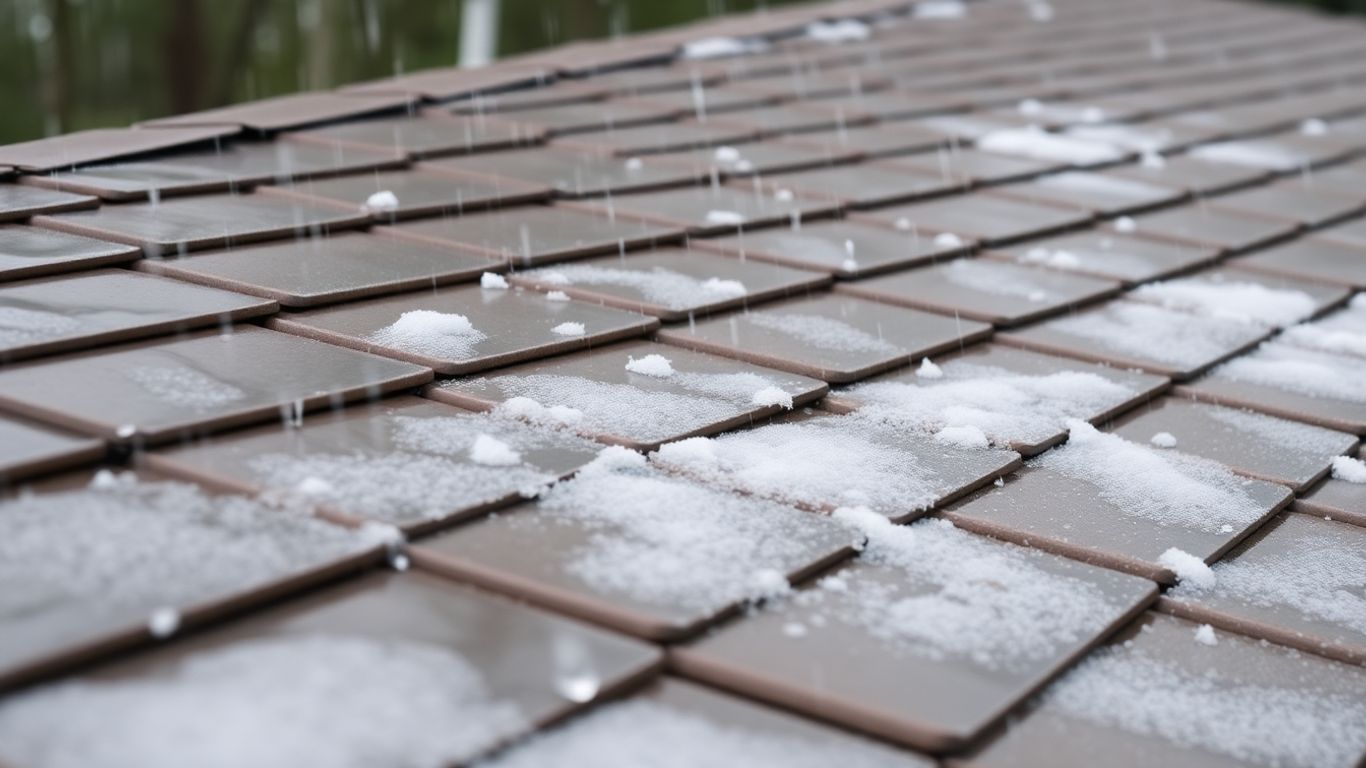
Even in sunny Florida, your roof needs attention throughout the year. Thinking about your roof only when a hurricane is on the horizon or during the hottest summer months is a common mistake. A little bit of proactive care can save you a lot of headaches, no matter the season.
Winterizing Your Orlando Roof
While we don’t get heavy snow like up north, Florida’s cooler months can still bring their own set of challenges. Unexpected cold snaps, while rare, can happen, and even mild winter storms can test your roof’s integrity. It’s a good time to do a quick check for any damage that might have occurred during the fall.
- Inspect for loose or missing shingles: Cold air can make shingles brittle, and strong winds can lift them. A quick walk around your property can help spot any obvious issues.
- Clear gutters and downspouts: Even if it’s not raining heavily, leaves and debris can accumulate. Clogged gutters can cause water to back up, potentially freezing and expanding if temperatures dip low enough, which can damage the gutter system and the roof edge.
- Check attic ventilation: Proper airflow in your attic is important year-round. In winter, it helps prevent moisture buildup that could lead to mold or rot.
Preparing for Summer Heat
Florida summers are no joke, and the intense sun and heat can take a toll on your roof. High temperatures can cause roofing materials to expand and contract, leading to wear and tear over time. Proper attic ventilation becomes even more critical during these months to keep your home cooler and reduce stress on your roof.
- Ensure attic vents are clear: Make sure nothing is blocking soffit or ridge vents. This allows hot air to escape.
- Consider reflective coatings: For certain roof types, a reflective coating can help bounce sunlight away, keeping your attic and home cooler.
- Trim overhanging branches: Keep tree limbs trimmed back from your roof to prevent them from rubbing against shingles or dropping debris.
Post-Storm Roof Assessments
After any significant weather event, whether it’s a heavy rainstorm or strong winds, it’s wise to give your roof a look-over. You don’t always need to get on the roof yourself; often, you can spot issues from the ground or by checking your attic.
- Look for debris: Check your gutters and roof surface for fallen leaves, branches, or other debris that could block drainage.
- Inspect your attic for leaks: Water stains on the ceiling or in the attic insulation are clear signs that something isn’t right.
- Address minor damage immediately: A single missing shingle or a small dent might seem insignificant, but it can quickly lead to bigger problems if left unaddressed, especially with the frequent rain we get.
Regular maintenance isn’t just about preventing major disasters; it’s about extending the life of your roof and protecting your home’s interior. Think of it as an investment that pays off in the long run by avoiding costly repairs and keeping your home comfortable.
Remember, if you spot anything concerning or aren’t comfortable performing these checks yourself, it’s always best to call a qualified roofing professional. They have the tools and experience to identify issues you might miss.
Keeping your roof in good shape throughout the year is super important. Our "Seasonal Roof Care Strategies" section gives you easy tips to follow. Want to learn more about protecting your home? Visit our website today for expert advice and to schedule a check-up!
Wrapping It Up
So, while Florida might not get blizzards, it’s a mistake to think our roofs are totally safe from cold weather effects. Those temperature swings can still cause trouble, even if it’s just a few chilly nights. The main takeaway here is that keeping an eye on your roof all year round is the smart move. Regular check-ups, clearing out your gutters, and fixing small issues before they get big will save you headaches later. Don’t wait for a problem to pop up; a little bit of attention now means your roof stays strong, no matter what Florida’s weather decides to throw at it.
Frequently Asked Questions
Does Florida really get cold enough to damage roofs?
Yes, even though Florida doesn’t have harsh winters, sudden cold snaps and temperature swings can stress your roof. Materials can expand and contract, which might cause small cracks or loosen shingles over time.
How often should I get my roof checked in Florida?
It’s a good idea to have your roof professionally inspected at least once a year. It’s especially smart to do this before the rainy or hurricane season starts. Also, check it after any major storm.
What’s the biggest mistake people make with their roofs?
A common mistake is ignoring small problems, like a tiny leak or a missing shingle. These small issues can get much worse, especially during heavy rain, leading to bigger, more expensive repairs later on.
Are all roofing materials the same for Florida’s weather?
No, not at all. Some materials, like metal or tile roofs, are much better at handling Florida’s strong winds and heavy rain than others. Choosing the right material when you replace your roof can save you trouble later.
What should I do if I think my roof is damaged after a storm?
First, take pictures of any damage you see. Then, call a professional roofer right away to check it out. It’s best to let them handle the repairs to make sure they’re done correctly and safely.
Is it worth it to do regular roof maintenance?
Absolutely! Think of it like getting oil changes for your car. Regular checks and small fixes can make your roof last much longer, prevent big problems, and even save you money on energy bills and future repairs. It’s an investment in your home.