
Living in Kissimmee means your home faces a lot of weather. From the hot sun to sudden rain, your roof works hard to keep you protected. Over time, even the best roofs can start to show wear and tear. It’s important to know the signs that your roof needs attention before a small problem turns into a big, expensive one. We’re going to look at some common indicators that suggest it’s time for a roof repair in Kissimmee.
Key Takeaways
- Look for shingles that are cracked, curling, or missing entirely. Finding pieces of your roof in the yard after wind or rain is a clear sign.
- Water stains on your ceiling or walls mean water is getting inside. This is a serious issue that needs prompt attention.
- A roof that sags or looks uneven is a sign of structural problems or water damage that needs immediate inspection.
- If your gutters are full of small, dark granules after a storm, your shingles are likely breaking down and losing their protective layer.
- Visible mold, moss, or algae on your roof isn’t just ugly; it traps moisture and can lead to material breakdown and rot.
Missing or Damaged Shingles
You know, sometimes you just don’t think about your roof until something goes wrong. But one of the most common things to look out for, especially after a good storm here in Kissimmee, is your shingles. If you’re seeing shingles that are cracked, curled up at the edges, or just plain gone, that’s a big red flag. It’s like seeing a missing tooth in a smile – it just doesn’t look right and leaves things exposed.
Think about it: shingles are your roof’s first line of defense against all the sun, rain, and wind we get. When they’re damaged or missing, water can sneak in. And once water gets in, it can start causing all sorts of other problems, like rot in the wood underneath or even leaks into your attic and ceilings. It’s not just about how it looks; it’s about protecting the whole structure of your home.
Here’s what to keep an eye out for:
- Curling: Shingles might start to curl upwards, especially at the edges. This usually means they’re getting old and brittle.
- Cracking: You might see splits or cracks in the shingles themselves. This can happen from age, extreme temperatures, or impact.
- Missing Shingles: This is the most obvious one. If a shingle is completely gone, there’s a gap in your roof’s protection.
- Granule Loss: You might not see the damage directly on the shingle, but if you find a lot of those little gritty bits in your gutters or downspouts, it means the shingles are wearing away.
It’s easy to dismiss a few loose shingles, but they can quickly turn into a much bigger, more expensive problem if you don’t address them. Regular checks, especially after windy days or heavy rain, can save you a lot of headaches down the road.
Water Stains on Ceilings
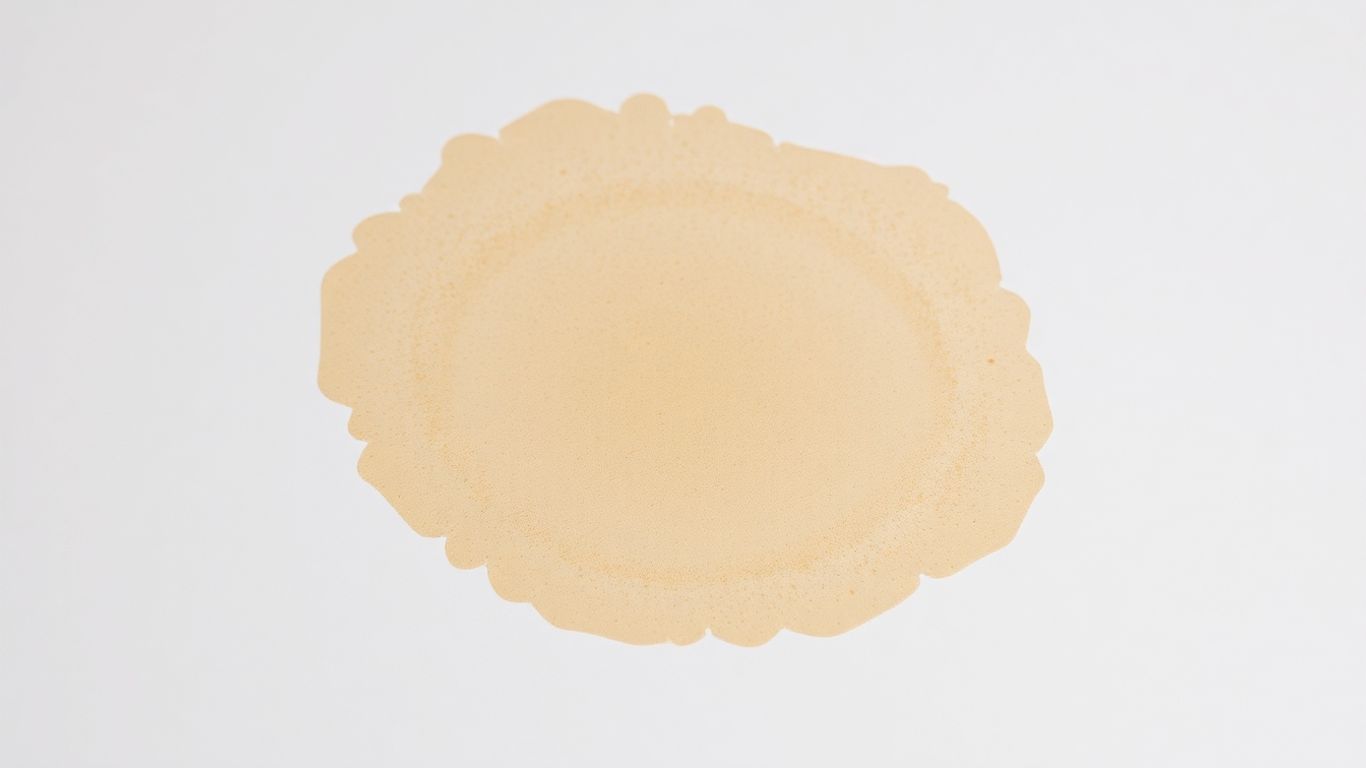
Seeing those tell-tale yellow or brown rings bloom on your ceiling? That’s a pretty clear sign your roof isn’t doing its job of keeping the rain out. It means water has found a way through your shingles, underlayment, or decking and is now making its way down.
These stains aren’t just an eyesore; they’re a warning. The water could be pooling in your attic, soaking into the insulation, and potentially rotting the wooden beams that hold your roof up. If left unchecked, this can lead to more serious structural damage and even mold growth within your walls.
Don’t ignore these spots. They’re your home’s way of telling you something’s wrong up top, and the longer you wait, the bigger and more expensive the problem can become.
It’s important to figure out where the leak is coming from. Sometimes it’s obvious, like a stain directly under a bathroom vent or chimney. Other times, water can travel quite a distance from the actual entry point, making it tricky to pinpoint. This is where a professional roofer really earns their keep, as they have the tools and experience to trace the leak back to its source.
Sagging Roofline
A sagging roofline is a pretty serious red flag that your roof might be in trouble. It’s not just about how it looks, though it certainly doesn’t do your home’s curb appeal any favors. What you’re actually seeing is a sign that the underlying structure of your roof could be compromised. This can happen for a few reasons, like water damage weakening the wooden beams (rafters or trusses) that hold everything up, or maybe the roof deck itself is starting to rot.
Think of your roof like the skeleton of your house. If the bones start to bend or droop, that’s a sign of a bigger problem. It could be that the weight of water or debris has built up over time, or perhaps there was an issue with how the roof was built in the first place. Poor ventilation can also contribute, leading to moisture buildup that damages the wood.
Here’s what to look out for:
- Visible dips or curves: Instead of a straight line, you might see a noticeable downward slope between the peak and the edges.
- Buckling shingles: The shingles might start to lift or buckle in the areas where the roof is sagging.
- Water pooling: If you notice areas where water tends to sit after it rains, that’s a strong indicator of a low spot.
If you spot any sagging, it’s really important to get a professional to check it out right away. Ignoring it could lead to more serious structural damage, and in the worst-case scenario, a partial or complete roof collapse. It’s better to be safe than sorry when it comes to something as important as your roof’s integrity.
Granules in Gutters or Downspouts
Have you noticed a gritty, sand-like substance collecting in your gutters or at the base of your downspouts? That’s likely asphalt granules from your shingles. Shingles are designed with a protective layer of these granules to shield them from UV rays and weather. When you start seeing a significant amount of them in your gutters, it’s a pretty clear indicator that your shingles are breaking down.
Think of it like this: the granules are the shingles’ sunscreen. As they wear away, the asphalt underneath gets exposed, making the shingles more vulnerable to damage. This granule loss is a sign of aging and wear, and it means your roof isn’t performing as well as it should.
Here’s what to look for:
- A noticeable layer of dark granules in your gutters.
- Granules accumulating around your downspout outlets.
- Shingles on your roof appearing to have bald spots where granules are missing.
This shedding of granules is one of the earliest signs that your roof’s protective layer is deteriorating. While a few granules after a heavy rain might not be a big deal, a consistent buildup suggests it’s time to have your roof checked by a professional. Ignoring this can lead to more serious issues down the line, like leaks or further shingle damage. Getting a professional inspection can help determine if a repair is needed to maintain the integrity of your roof.
The gradual loss of granules is a natural part of a shingle’s life cycle, but an excessive amount signals that the shingle’s ability to protect your home is compromised. It’s a warning sign that shouldn’t be overlooked.
If you’re seeing a lot of these granules, it might be time to consider getting a professional opinion on your roof’s condition. Companies like Red Rhino Roofing offer services to assess and repair such issues, helping to protect your home from potential water damage and further deterioration.
Visible Mold or Moss Growth
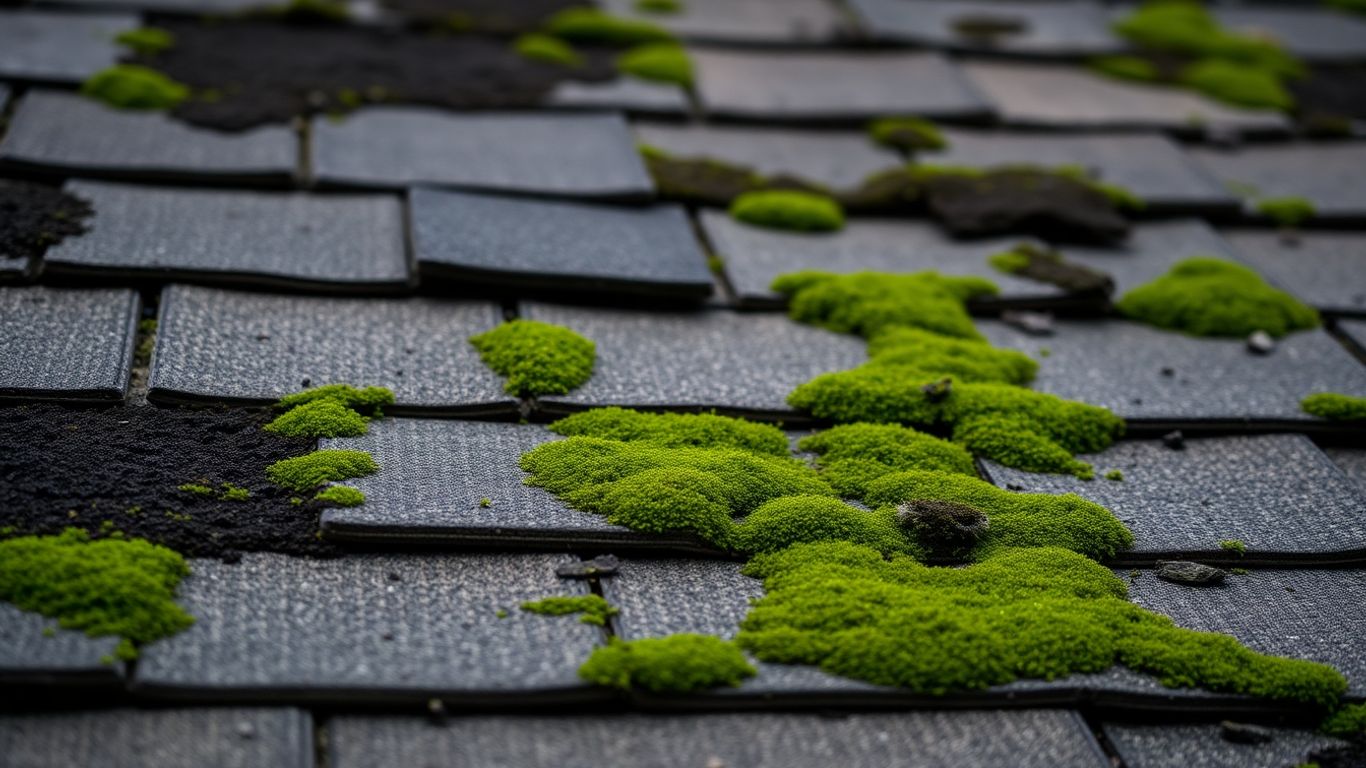
Living in Kissimmee means dealing with humidity, and unfortunately, that can create a welcoming environment for moss and mold on your roof. You might see patches of green fuzz or dark streaks, especially in shaded areas that stay damp longer. While it might just look a little unsightly at first, this growth is actually a sign that your roof is holding onto moisture.
This trapped moisture can start to break down your shingles and the materials underneath. Over time, it can lead to rot and compromise the integrity of your roof structure. It’s not just about looks; it’s about protecting your home from deeper damage.
- Moss: Often appears as thick, green, carpet-like patches.
- Algae: Typically shows up as dark or greenish streaks.
- Mold/Mildew: Can look like fuzzy or slimy patches, often black or gray.
If you notice significant moss or mold covering your roof, it’s a clear indicator that moisture is a persistent problem.
Don’t ignore this sign. What starts as a bit of green fuzz can lead to serious structural issues if left unaddressed, especially with the constant humidity we experience here.
High Energy Bills
You know how your AC or heater works overtime when your home isn’t sealed up right? Well, your roof is a big part of that seal. If your roof is old, damaged, or just not doing its job anymore, it’s probably letting a lot of that conditioned air escape. Think about it – warm air getting out in the winter, and cool air escaping in the summer. This means your HVAC system has to run much longer and harder just to keep your house at a comfortable temperature.
This constant extra work can really drive up your electricity or gas bills. You might also start noticing some rooms are way hotter or colder than others, or maybe you’re seeing condensation on your windows or walls more often. These are all pretty clear signals that your roof isn’t insulating your home like it should.
Here’s a quick breakdown of why this happens:
- Poor Insulation: Damaged or aging roofing materials lose their ability to keep heat in or out.
- Air Leaks: Cracks, gaps, or missing shingles allow conditioned air to escape your home.
- Ventilation Issues: Improper attic ventilation can trap heat, forcing your AC to work harder.
When your roof starts failing to maintain a consistent indoor temperature, it’s not just about comfort; it’s a direct hit to your wallet through higher utility costs. It’s a sign that the protective layer over your home is compromised and needs attention.
Curled, Cracked, or Missing Shingles
Take a look at your shingles. Are they starting to curl up at the edges, or maybe crack down the middle? This is a pretty common sign that your shingles are getting old and brittle, especially with how hot Kissimmee can get. Asphalt shingles, in particular, can really take a beating from the sun over the years. When they start to lose their flexibility, they become more prone to cracking and can even blow off during strong winds.
Missing shingles are a big red flag because they leave the underlayment and your home’s structure exposed to rain and sun. This can lead to leaks and rot pretty quickly. It’s not just about appearance; these damaged shingles can’t do their job of protecting your house anymore.
Here’s what to watch out for:
- Curling: Shingles that lift or curl at the edges. This often happens when the asphalt dries out.
- Cracking: Look for splits or breaks in the shingles themselves. This makes them weak and easy to break further.
- Missing: If you see bare spots where shingles should be, or if you find them in your yard after a storm, that’s a clear problem.
If you’re noticing these issues, it’s a strong signal that your roof has reached the end of its useful life and needs attention before minor problems turn into major ones.
Roof Age (15+ Years)
Think of your roof like any other part of your house – it doesn’t last forever. Especially here in Kissimmee, where the sun beats down hard and storms can roll in without much warning, a roof’s lifespan can really take a hit. Most asphalt shingle roofs are built to last about 15 to 20 years, but that’s under pretty good conditions. Our Florida climate, with its intense UV rays, constant humidity, and strong winds, can really speed up the wear and tear process.
If your roof is hitting that 15-year mark or has already passed it, it’s a good idea to get it checked out by a professional, even if it looks okay from the ground. It’s kind of like getting a regular check-up at the doctor; you want to catch any potential problems before they turn into something serious and expensive.
Here’s why age is a big factor:
- Material Degradation: Over time, shingles can become brittle, lose their protective granules, and start to crack or curl. This makes them less effective at shedding water.
- Sealant Failure: The strips that seal shingles together can break down due to heat and UV exposure, allowing wind and rain to get underneath.
- Underlayment Issues: The protective layer beneath the shingles can also degrade, making the roof deck vulnerable to moisture.
A roof that’s seen better days might not be doing its job of keeping your home protected. This can lead to hidden damage, like rot in the attic or insulation problems, which then drive up your energy bills because your HVAC system has to work overtime.
Don’t wait until you see obvious signs of damage. If your roof is 15 years or older, schedule an inspection. It’s a smart move to protect your investment and keep your home comfortable and secure.
Hail Damage
Living in Florida, we know that storms can pop up fast, and sometimes those storms bring hail. Even if you don’t see golf ball-sized chunks falling, smaller hailstones can still do a number on your roof. When hail hits your shingles, it can cause little dents or bruises that might not seem like a big deal at first. But these small impacts can actually break down the protective granules on your shingles, leaving them exposed to the elements.
The real problem is that these tiny damages can lead to bigger issues down the road, like leaks and premature aging of your roof.
Here’s what to look for after a hailstorm:
- Dents or bruises on shingles: These might look like dark spots or areas where the granules seem to be missing.
- Granule loss: Check your gutters and downspouts for a collection of small, gritty material. This is the protective layer from your shingles.
- Cracked or split shingles: Sometimes, the impact can cause the shingle material itself to crack.
It’s easy to think a little hail damage isn’t a big deal, especially if you don’t see an immediate leak. But those small impacts are like tiny wounds that can get infected if not treated. Getting your roof checked out after any significant hail event is just smart home maintenance.
Interior Damage
Sometimes, the most obvious signs of a roof problem aren’t on the roof itself, but inside your home. If you start noticing water stains appearing on your ceilings or walls, that’s a pretty clear indicator that something’s not right up top. These stains, often appearing as yellow or brown splotches, mean water is finding its way through your roof and into your attic or living space. It’s not just about the discoloration, though. That moisture can lead to bigger issues like mold growth, damaged insulation, and even structural problems if left unchecked.
Think about it: your roof is the first line of defense against the elements, especially here in Kissimmee with our frequent rain showers. When that defense is compromised, water can seep through.
Here are a few interior signs that point to a roof issue:
- Ceiling stains: Look for discolored patches, especially after rain.
- Peeling paint or bubbling drywall: Moisture can cause finishes to blister and peel.
- Musty odors: Persistent dampness can lead to a musty smell, often from mold or mildew in the attic or walls.
- Drips or active leaks: The most obvious sign, where water is visibly dripping from the ceiling.
Don’t ignore these interior clues; they’re your home’s way of telling you it needs attention. Addressing these issues promptly can prevent more extensive and costly repairs down the line. Getting a professional inspection from a company like Red Rhino Roofing can help pinpoint the exact source of the leak and get it fixed before it causes serious damage to your home’s structure or finishes. It’s always better to catch these problems early, rather than waiting until the damage is widespread and affects more than just your ceiling appearance.
Did your roof take a hit? We can help fix any damage inside your home. Don’t let small problems turn into big ones. Visit our website today to learn more about our repair services and schedule your free estimate!
Don’t Wait, Protect Your Home
So, you’ve spotted a few of those tell-tale signs that your Kissimmee roof might be in trouble. Ignoring them is just asking for bigger headaches and more expensive repairs down the road. Whether it’s those curling shingles, a mysterious water stain on the ceiling, or just the fact that your roof is getting up there in years, it’s always better to be proactive. Getting a professional inspection is the best way to know for sure what’s going on. Don’t let a small roof issue turn into a major disaster for your home.
Frequently Asked Questions
What are the most common signs that my roof needs fixing in Kissimmee?
Look out for missing or damaged shingles, water spots on your ceiling, a roof that seems to sag, or if you find shingle bits in your gutters. Also, if your roof is older than 15 years, it’s a good idea to get it checked.
How can I tell if my shingles are damaged?
Check if any shingles are cracked, bent, or completely gone. If you find pieces of shingles in your yard after windy weather, it’s a clear sign they might need replacing.
Why are water stains on my ceiling a problem?
Water stains mean that water is getting through your roof and into your home. This can lead to mold, damage to your ceiling, and even problems with the structure of your house if not fixed quickly.
Is a sagging roof a serious issue?
Yes, a sagging roof is a serious warning sign. It can mean there’s water damage or the roof’s structure is weak, which could lead to bigger problems or even a collapse if ignored.
How does the weather in Kissimmee affect my roof?
Kissimmee’s weather, with its strong sun, humidity, and sudden storms, can wear down your roof faster. High heat can make shingles brittle, and heavy rain and wind can cause damage.
If I see moss or mold on my roof, do I need a repair?
Yes, seeing moss or mold isn’t just about looks. These growths hold moisture, which can damage your roofing materials over time and lead to rot underneath. It’s a sign that your roof needs attention.