

Living in Clermont means dealing with some serious heat and humidity, right? It can really make your home feel like an oven, especially upstairs. But there’s a way to make things a lot more comfortable and protect your house at the same time. We’re talking about roof ventilation Clermont homeowners need to know about. It’s not just about keeping things cool; it’s about making sure your home lasts longer and your energy bills don’t go through the roof. Let’s break down why proper roof ventilation is so important around here.
Key Takeaways
- Good roof ventilation in Clermont helps manage Florida’s heat and humidity, making your home more comfortable.
- Proper airflow prevents moisture buildup, which can cause mold, rot, and damage to your roof and home structure.
- An efficient ventilation system can lower your energy bills by reducing the strain on your air conditioning.
- The right vents, like soffit and ridge vents, work together to create a balanced airflow, extending your roof’s lifespan.
- Signs of poor ventilation include high attic temperatures, moisture issues, and premature aging of your roofing materials.
Understanding The Importance Of Roof Ventilation In Clermont
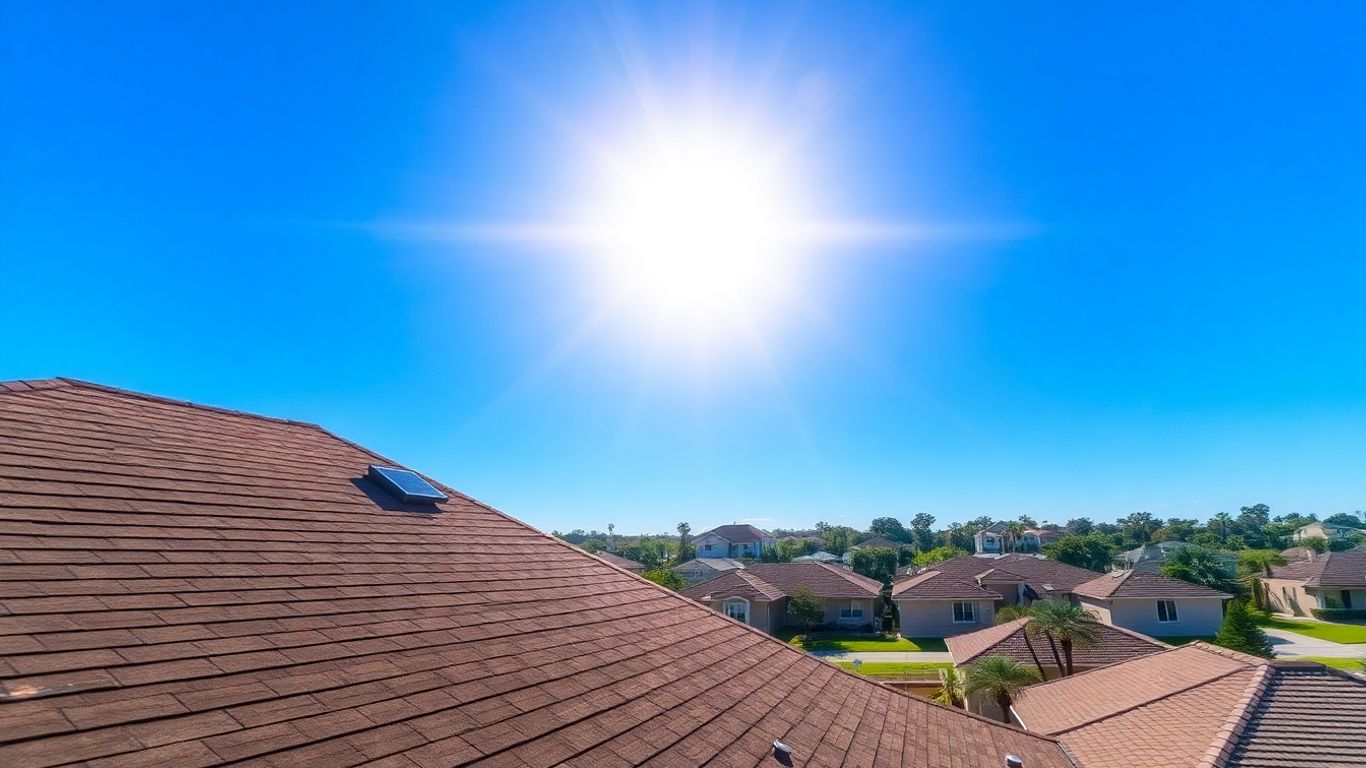
Living in Clermont means dealing with some serious heat and humidity, right? That’s why paying attention to your roof’s ventilation system is a really big deal. It’s not just about keeping your attic cool, though that’s a huge part of it. Proper airflow in your attic actually helps your whole house stay more comfortable and can even keep your roof from falling apart too soon.
How Roof Vents Combat Florida’s Climate
Florida’s weather is no joke. We get intense sun that bakes our roofs all day, and then there’s the humidity. Without good ventilation, all that heat gets trapped in your attic. Think of it like a greenhouse up there. This superheated air then radiates down into your living space, making your air conditioner work overtime. This constant struggle to cool your home can really drive up your energy bills. Good roof vents let that hot air escape and bring in cooler outside air, creating a natural circulation that helps keep your attic temperatures more in line with the outside air, not the inside of an oven.
The Role Of Ventilation In Home Health And Longevity
Beyond just comfort and energy savings, ventilation plays a key role in the health of your home’s structure. Trapped moisture is a big problem, especially with our humidity. When warm, moist air from inside your house meets the cooler surfaces in the attic, condensation can form. Over time, this moisture can lead to:
- Mold and mildew growth, which is bad for air quality.
- Wood rot in your rafters and decking.
- Damage to insulation, making it less effective.
Addressing these issues early on can save you a lot of headaches and money down the road. It’s about protecting the investment you’ve made in your home.
Preventing Moisture Buildup For A Healthier Home
So, how do vents actually stop moisture? It’s all about airflow. Intake vents, usually found under the eaves (soffits), let fresh air in. This cooler air then moves up through the attic space. Exhaust vents, typically located at the roof’s peak (like ridge vents), let the hot, moist air out. This continuous exchange of air prevents that stagnant, damp environment where mold loves to grow. It’s a simple system, but it works wonders for keeping your attic dry and your home healthier. If you’re noticing any signs of wear or damage on your current roof, it might be time to look into professional roofing repair services.
Key Benefits Of Proper Roof Ventilation
When your roof is set up with good ventilation, it really makes a difference, especially here in Clermont where the sun beats down and the humidity hangs around. It’s not just about making the attic feel a bit cooler; there are some solid advantages that impact your home’s health and your wallet.
Lowering Energy Costs Through Efficient Cooling
Think of your attic like a car parked in the sun all day. That trapped heat has to go somewhere, and usually, it’s down into your living space. When your attic gets super hot, your air conditioner has to work overtime to keep your home comfortable. Proper ventilation lets that hot air escape out of the attic, reducing the heat load on your AC. This means your AC unit doesn’t have to run as much, which can lead to noticeable savings on your electricity bills. It’s a simple system: cooler attic, less work for the AC, lower energy costs.
Extending Your Roof’s Lifespan
Heat and moisture are not your roof’s best friends. In a poorly ventilated attic, these elements can really do a number on your shingles and the underlying structure. Shingles can get brittle and crack, or they might start to buckle. The wood framing in your attic can also suffer from moisture, leading to rot. By allowing air to circulate, ventilation helps keep temperatures more stable and reduces the amount of moisture trapped. This protection means your roof materials won’t break down as quickly, helping your roof last much longer. It’s a smart way to protect your investment and avoid costly repairs down the road. For more on how ventilation helps keep your home dry, check out proper roof ventilation.
Enhancing Indoor Comfort Year-Round
Beyond just saving money, good ventilation directly impacts how comfortable your home feels. If you’ve noticed that the upstairs rooms are always significantly warmer than the lower floors, especially during the summer, your attic ventilation might be the culprit. A well-ventilated attic helps regulate the temperature throughout your entire house. This means fewer hot spots and a more consistent, comfortable environment no matter where you are in your home. It also helps manage moisture, which can contribute to that stuffy, damp feeling some homes get, especially during our humid Florida seasons.
Choosing The Right Roof Vents For Clermont Homes
Picking the right roof vents for your place in Clermont isn’t as simple as just grabbing any old vent. You’ve got to think about a few things to make sure you’re getting the best airflow and protection for your home. It’s about creating a system that works with Florida’s weather, not against it.
Understanding Different Roof Vent Styles
There are several types of vents out there, and they all do a slightly different job. You’ve got intake vents, which let the cooler air in, usually near the bottom of your roof, like under the eaves. Then there are exhaust vents, which let the hot, moist air out, typically found near the roof’s peak.
- Soffit Vents: These are your primary air intake. They sit under the eaves and are super important for letting fresh air into the attic. Without enough of these, your whole system struggles.
- Ridge Vents: These run along the very top of your roof, where two slopes meet. They’re great for letting the hottest air escape naturally.
- Gable Vents: Found on the triangular part of a wall under the roof, these can help with airflow, but they don’t always work as well on their own as other types.
- Turbine Vents: These spin with the wind to pull hot air out. They can be effective, but they do require wind to work and can sometimes be noisy.
- Power Vents: These use electricity to actively pull air out of the attic. They’re powerful but add to your energy bill.
The goal is to create a balanced system where cool air comes in low and hot air goes out high.
Considering Your Roof Type And Climate
Clermont gets pretty hot and humid, and we get some serious rain. So, the vents you pick need to handle that. Materials that can rust or break down easily aren’t ideal. Look for vents made from aluminum or sturdy plastics that can stand up to the sun and rain. Also, think about how your roof is shaped. A hip roof might need a different setup than a simple gable roof. If you have a flat roof, you’ll need specific solutions, like those offered by Red Rhino Roofing for Orlando homes, which are often well-suited for our climate.
Choosing vents that are designed to keep water out is a big deal here. You don’t want rain getting into your attic just because you installed a vent.
Calculating Ventilation Requirements For Optimal Airflow
Just slapping on a few vents isn’t enough. You need the right amount for your attic’s size. A common guideline is to have a certain amount of ‘net free area’ (NFA) for every square foot of attic space. This NFA is basically the open space where air can actually flow. Too little, and your attic stays hot and stuffy. Too much, and you might lose too much conditioned air from your house. It’s a balance. Getting this calculation right helps your AC system work less, saving you money on energy bills and keeping your home more comfortable all year round.
Common Roof Ventilation Systems For Florida
Florida’s climate, with its intense heat and humidity, makes having the right roof ventilation system a big deal. It’s not just about comfort; it’s about protecting your home. Think of your attic like a car parked in the sun – it gets incredibly hot. Proper ventilation lets that hot air escape, making a real difference.
Soffit Vents For Essential Air Intake
Soffit vents are usually found under the eaves of your roof. Their main job is to let cooler, fresh air into your attic. In Florida, where we get a lot of sun, having plenty of intake is key. Continuous soffit vents are a popular choice because they offer a lot of space for air to come in, helping to push out the hot air.
Ridge Vents For Effective Hot Air Exhaust
Ridge vents run along the very top of your roof, where the two sides meet. Because hot air naturally rises, these vents are great at letting that heat escape without needing any power. They work with the soffit vents to create a natural airflow. This passive system can really help cut down on your energy bills.
Gable Vents And Their Role In Airflow Balance
Gable vents are typically found on the triangular part of a wall, under the roofline. While they can help with airflow, they work best when paired with soffit vents. This combination helps create a balanced system, making sure air moves through the attic properly and doesn’t get stuck. Without that balance, you might still have moisture problems.
Turbine And Power Vents For Enhanced Ventilation
Turbine vents, often called ‘whirlybirds,’ spin with the wind to help pull hot air out of the attic. They can be a good option, especially for larger homes or roofs with tricky designs. Power vents, on the other hand, use electricity to actively pull air out. They offer more control and can be a great solution when passive ventilation just isn’t enough to handle Florida’s heat and humidity. You can even find solar-powered versions, which are pretty neat.
Choosing the right mix of vents is important. It’s not a one-size-fits-all situation. The type of roof you have, its size, and even how it’s shaped all play a part in deciding which vents will work best for your home.
Signs Of Poor Roof Ventilation
Sometimes, you don’t realize your roof ventilation isn’t doing its job until problems start popping up. It’s like a silent issue that can really mess with your home. If your attic feels like a sauna even when it’s not that hot outside, that’s a big clue. Trapped heat is a major sign that air isn’t moving like it should.
Here are some other things to watch out for:
- Excessive Attic Heat: Your attic should not be significantly hotter than the outside temperature. If it feels like an oven up there, the ventilation is likely struggling to let that heat escape.
- Moisture Issues and Mold Growth: Damp, musty smells in the attic are a classic indicator of moisture buildup. This can lead to mold and mildew, which isn’t good for your home’s health or the air quality inside.
- Premature Roof Aging: You might notice shingles that are curling, cracking, or looking generally worn out much sooner than they should. This often happens when constant, high attic heat degrades the roofing materials over time.
Peeling paint on your interior ceilings or walls, or even blistering, can also point to moisture getting trapped within the home’s structure, which is often linked to poor attic airflow. It’s worth getting a professional opinion if you spot these signs. For homeowners in Clermont, understanding these indicators is key to maintaining your roof’s integrity and preventing more costly repairs down the line. If you suspect issues, getting a professional roof inspection is a good idea, and companies like Red Rhino Roofing offer tile roof repair and replacement services that can address underlying problems.
It’s easy to forget about the attic, but it plays a huge role in how your whole house performs. When the ventilation system isn’t working right, it can cause a domino effect of problems, from making your AC work overtime to actually damaging the structure of your roof over time. Paying attention to these warning signs can save you a lot of headaches and money.
Professional Roof Vent Installation In Clermont
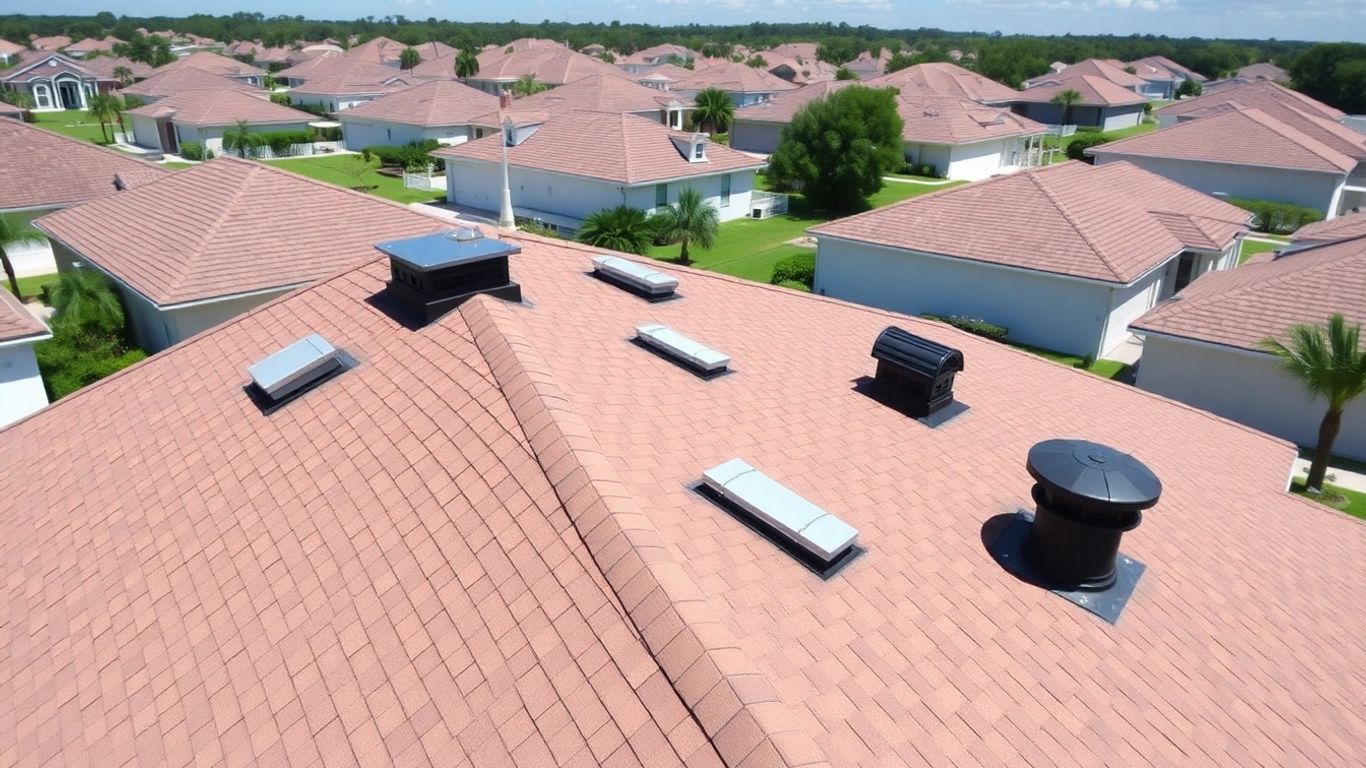
Getting your roof vents installed or replaced by professionals is a really big deal, especially here in Clermont where the weather can be pretty intense. It’s not just about sticking vents in holes; it’s about making sure they work right with your whole roof system. Proper installation is key to preventing leaks and ensuring your home stays protected from Florida’s heat and humidity.
The Importance Of Expert Installation
When you hire pros, you’re getting folks who know how to balance the intake and exhaust vents. They understand how much airflow your attic needs and where to place everything for the best results. This isn’t something you want to guess at. A poorly installed vent can actually make things worse, leading to moisture problems or reduced cooling efficiency. Think of it like this:
- Correct Placement: Experts know where soffit vents need to go for maximum fresh air intake and where ridge vents should be for effective hot air escape.
- Sealing and Flashing: They use the right materials and techniques to seal around the vents, stopping water from getting into your attic and causing damage.
- System Integration: Professionals look at your entire roof and attic setup to make sure the new vents work well with what you already have.
Ensuring Hurricane Resistance In Vent Components
Living in Florida means we have to think about hurricanes. That’s why the materials and installation methods for your roof vents need to be tough. Professionals will select vents that are built to withstand strong winds and heavy rain. They also know how to secure them properly so they don’t become a problem during a storm. This might involve using specific types of fasteners or ensuring the vents are integrated correctly with your roof decking. It’s about making sure your ventilation system is a strong part of your home’s defense, not a weak point. If you’re looking for a reliable team for your roof, APC Roofing offers a streamlined process for roof replacements in Clermont, Florida. They begin by scheduling a quote and coming to your location.
Finding The Right Roofing Contractor
Choosing the right contractor is super important. You want someone who knows Clermont’s building codes and understands the specific challenges of our climate. Look for companies that are licensed and insured, and ask for references. Checking online reviews can also give you a good idea of their reputation. A good contractor will explain the process clearly, provide a detailed estimate, and stand behind their work. Don’t be afraid to ask questions about their experience with ventilation systems and hurricane preparedness. Getting it done right the first time saves a lot of headaches down the road.
When it comes to your home’s ventilation, especially in a place like Clermont, it’s really about protecting your investment. The right vents, installed by skilled hands, keep your attic cool, your energy bills lower, and your roof lasting longer. It’s a smart move for comfort and for the health of your house.
Need a roof vent put in correctly in Clermont? We make sure your home stays cool and dry with expert installation. Don’t let a bad vent cause problems. Visit our website today to learn more and schedule your service!
Keep Your Clermont Home Comfortable and Protected
So, as we’ve seen, making sure your roof is properly ventilated is a pretty big deal for any home in Clermont. It’s not just about keeping things cool in the summer, though that’s a big part of it. Good airflow helps prevent moisture problems, which can lead to bigger, more expensive issues down the road, like mold or even damage to your roof’s structure. Think of it as a simple way to protect your investment and make your home a more pleasant place to be, all year round. If you’re not sure about your current setup, it’s always a good idea to have a professional take a look. They can tell you if your vents are doing their job or if it’s time for an upgrade.
Frequently Asked Questions
Why is roof ventilation so important in Clermont, Florida?
Clermont gets pretty hot and humid, like much of Florida. Without good airflow in your attic, heat and moisture can build up. This makes your house hotter, makes your air conditioner work harder (costing you more money), and can even cause damage to your roof and home over time, like mold or wood rot.
What are the main types of roof vents?
There are two main kinds: intake vents and exhaust vents. Intake vents, often found under the roof’s edge (soffits), let cool air in. Exhaust vents, usually at the top of the roof (like ridge vents), let the hot, moist air out. Using both together creates a good air flow.
How can I tell if my roof has poor ventilation?
Some signs include your attic being super hot, even hotter than it should be, or seeing signs of moisture like mold or damp spots. You might also notice your roof materials looking old or damaged faster than they should, or even peeling paint inside your house near the ceiling.
Will better roof ventilation save me money?
Yes, it can! When your attic isn’t a hot box, your air conditioner doesn’t have to fight as hard to cool your home. This means it uses less energy, which can lower your electricity bills. It also helps your AC system last longer.
Does the type of roof I have matter when choosing vents?
Definitely. Different roof styles, like a simple sloped roof versus a more complex one, might need different vent setups. Also, the material your roof is made of can play a role. It’s best to talk to a roofing expert to figure out what works best for your specific roof.
Should I install roof vents myself or hire a professional?
While some simple vent replacements might seem doable, it’s generally best to hire a professional. They know how to install vents correctly to ensure proper airflow, create a watertight seal to prevent leaks, and make sure the vents can withstand Florida’s weather, including strong winds.