
Winter Park homeowners, get ready! Winter is coming, and your roof needs some attention before the cold really sets in. A little check-up now can save you a lot of headaches later. Think of it like giving your house a warm coat and checking its boots before heading out into the snow. We’ll walk through what you can do yourself to make sure your roof is ready for whatever the season throws at it. This guide is all about a good roof inspection Winter Park residents can do.
Key Takeaways
- Before winter hits, give your roof a good look. Check shingles for cracks or missing bits, and make sure flashing around chimneys and vents looks solid.
- Clean out your gutters and downspouts. Clogged ones can cause water to back up, leading to ice dams and leaks.
- Trim any tree branches that hang over your roof. Heavy snow or ice can make them break and fall, causing damage.
- Head into your attic to check for any signs of leaks, like water stains or mold. Good insulation and ventilation are key to preventing ice dams.
- If you’re unsure about anything or notice bigger issues, it’s always best to call in a professional roofer for a proper roof inspection Winter Park.
Essential Pre-Winter Roof Inspection Winter Park
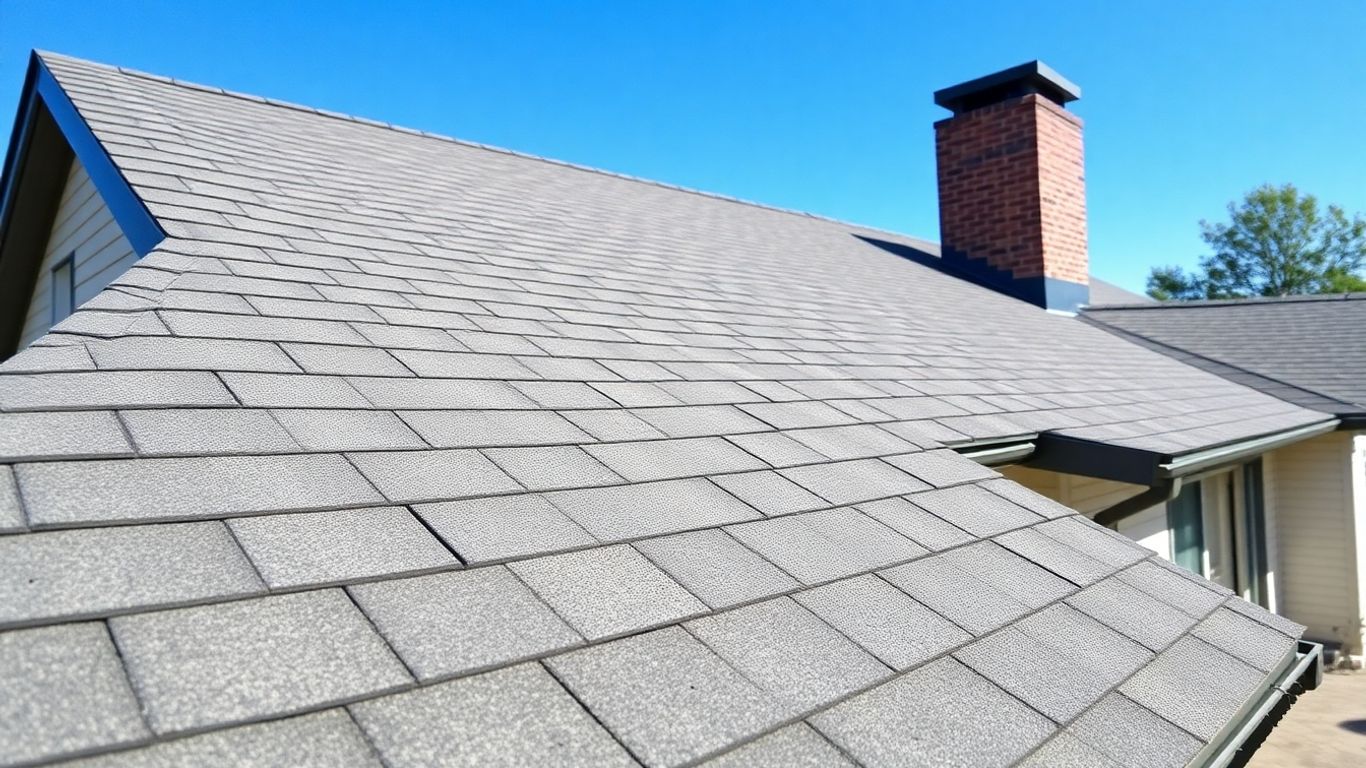
Getting your roof ready for Winter Park’s cooler months is a smart move. A little check-up now can save you a lot of headaches, like leaks or ice dams, when the temperatures really drop. Think of it as giving your home a cozy sweater before the big chill.
Inspect Shingles and Flashing for Damage
Take a good look at your shingles. Are any cracked, curled, or missing? These little guys are your roof’s first line of defense against the elements. Also, pay close attention to the flashing – that’s the metal stuff around your chimney, vents, and any skylights. It needs to be snug and sealed tight. If you see any gaps or rust, it’s a spot where water can sneak in.
- Check for loose or missing shingles.
- Look for cracked or brittle shingles.
- Examine flashing for rust, gaps, or lifting.
Damaged shingles or compromised flashing can let water seep into your home, causing rot and other issues, especially when it freezes and thaws.
Clear Gutters and Downspouts of Debris
Your gutters and downspouts are like the drainage system for your roof. If they’re full of leaves and gunk, water can’t flow away properly. This can cause water to back up onto your roof, leading to ice dams or water damage. It’s best to clear them out before the first big freeze.
Trim Overhanging Tree Branches
Those tree branches hanging over your roof might seem harmless, but they can become a real problem in winter. Heavy snow or ice can weigh them down, causing them to snap and fall onto your roof. This could damage shingles, gutters, or even create a hole. Give them a trim to keep them a safe distance away.
Addressing Vulnerable Roof Areas
Some parts of your roof are just more likely to give you trouble, especially when the weather gets rough. It’s smart to give these spots a little extra attention during your inspection.
Check Flashing Around Chimneys and Vents
Flashing is that metal stuff used to seal up joints where the roof meets something else, like a chimney or a vent pipe. It’s super important for stopping water from getting in. You want to look for any signs that it’s loose, cracked, or maybe even rusted. If you see any gaps or damage, it’s a good idea to patch it up with some roofing cement or a similar sealant. Keeping this flashing in good shape is key to preventing leaks.
Inspect Skylights and Plumbing Boots
Similar to chimneys and vents, skylights and the rubber boots around plumbing pipes that stick out of your roof are also prime spots for leaks. Check the seals around your skylights carefully. For plumbing boots, look for any cracks or tears in the rubber or plastic. These materials can get brittle over time from the sun and weather. If they look worn out, they might need replacing before winter really sets in.
Examine Seals for Deterioration
Think about all the places where different materials meet on your roof. Caulking and sealants are used in many of these spots to keep water out. Over time, these seals can dry out, crack, or pull away from the surface. This is common around flashing, vents, and even the edges of your roof. Take a close look at any caulked areas. If you find any that are dried out, cracked, or missing, it’s time to reapply sealant. This simple step can save you a lot of headaches later on. You can find good guides on how to properly apply roofing sealants if you’re unsure, like those that help prepare your roof for winter with our seasonal maintenance checklist [c68c].
Small problems with seals can quickly turn into big water intrusion issues if not addressed before the cold and wet weather arrives.
Interior Checks for Roof Issues
Sometimes, the first signs of trouble with your roof aren’t visible from the outside. You’ve got to look inside your house to catch some of the more sneaky problems. It’s like being a detective for your own home, really.
Look for Interior Water Stains
Keep an eye out for any discoloration on your ceilings or walls, especially near the top floors or around chimneys and vents. These water stains are a pretty clear indicator that moisture is finding its way into your home. Even small, faint spots can mean a leak is starting. It’s better to catch these early before they turn into bigger, more expensive issues. You might also notice paint peeling or bubbling in these areas, which is another sign of water damage. Checking your attic for damp spots on the insulation or wood is also a good idea.
Identify Signs of Mold or Mildew
Mold and mildew love damp, dark places, and your attic or the underside of your roof can be prime real estate for them. If you notice any musty smells, especially in the attic, it’s a sign that moisture might be present. Look for fuzzy patches of black, green, or white growth on wood or insulation. This isn’t just unsightly; it can also be bad for your health. If you find any, it means there’s likely a moisture problem that needs addressing, possibly from a roof leak or poor ventilation. Addressing mold promptly is important for air quality and preventing further damage to your home’s structure.
Assess Attic Insulation and Ventilation
Your attic’s insulation and ventilation system work together to keep your home comfortable and prevent moisture buildup. Check if your insulation is evenly distributed and if it feels damp. Wet insulation loses its effectiveness and can lead to mold. Also, look at the attic’s vents to make sure they aren’t blocked by insulation, debris, or anything else. Proper airflow is key to preventing condensation, which can lead to rot and mold. A well-ventilated attic helps regulate temperature and keeps moisture out, protecting your roof structure. You can find more tips on maintaining your home’s structure at home maintenance resources.
Don’t underestimate the importance of these interior checks. They can reveal problems that are just starting, saving you a lot of hassle and money down the road. It’s all about being proactive with your home’s upkeep.
Preventing Winter Roof Problems
Winter can be rough on your roof, and a little bit of upkeep before the cold really sets in can save you a lot of headaches later. Think of it like getting your car ready for a road trip – you check the fluids, tires, and make sure everything’s running smoothly. Your roof needs that same attention.
Manage Snow Accumulation
Heavy snow can really weigh down your roof, and if it melts and refreezes, you can get ice dams. These are basically frozen dams that stop water from draining properly, and they can force water under your shingles. If you live in an area that gets a lot of snow, you might need a plan for clearing it. Sometimes, just a gentle push with a roof rake can make a big difference, but be careful not to damage the shingles. It’s usually best to let professionals handle heavy snow removal. They have the right tools and know-how to do it safely.
Consider Roof Heating Cables
If ice dams are a recurring issue for your home, you might want to look into roof heating cables, sometimes called de-icing cables. These are installed along the edges of your roof and in your gutters. When they’re turned on, they create channels for melting snow and ice to flow off your roof, preventing that damaging backup. It’s a good way to keep water moving in the right direction when things freeze over.
Address Moss and Debris Buildup
Leaves, twigs, and especially moss can trap moisture against your shingles. This trapped moisture can freeze and expand, causing damage over time. Moss, in particular, can actually grow into your shingles, lifting them and creating entry points for water. Regularly clearing your roof and gutters of any debris is a simple but effective way to prevent these issues. It also helps ensure that water can drain freely, reducing the chance of ice forming around blockages. Keeping your roof clean is a key part of preparing for winter, much like making sure your gutters are clear before the first freeze.
Taking these steps before winter arrives can really help your roof stand up to the cold. It’s all about being proactive and taking care of potential problems before they become big, expensive issues.
When to Seek Professional Help
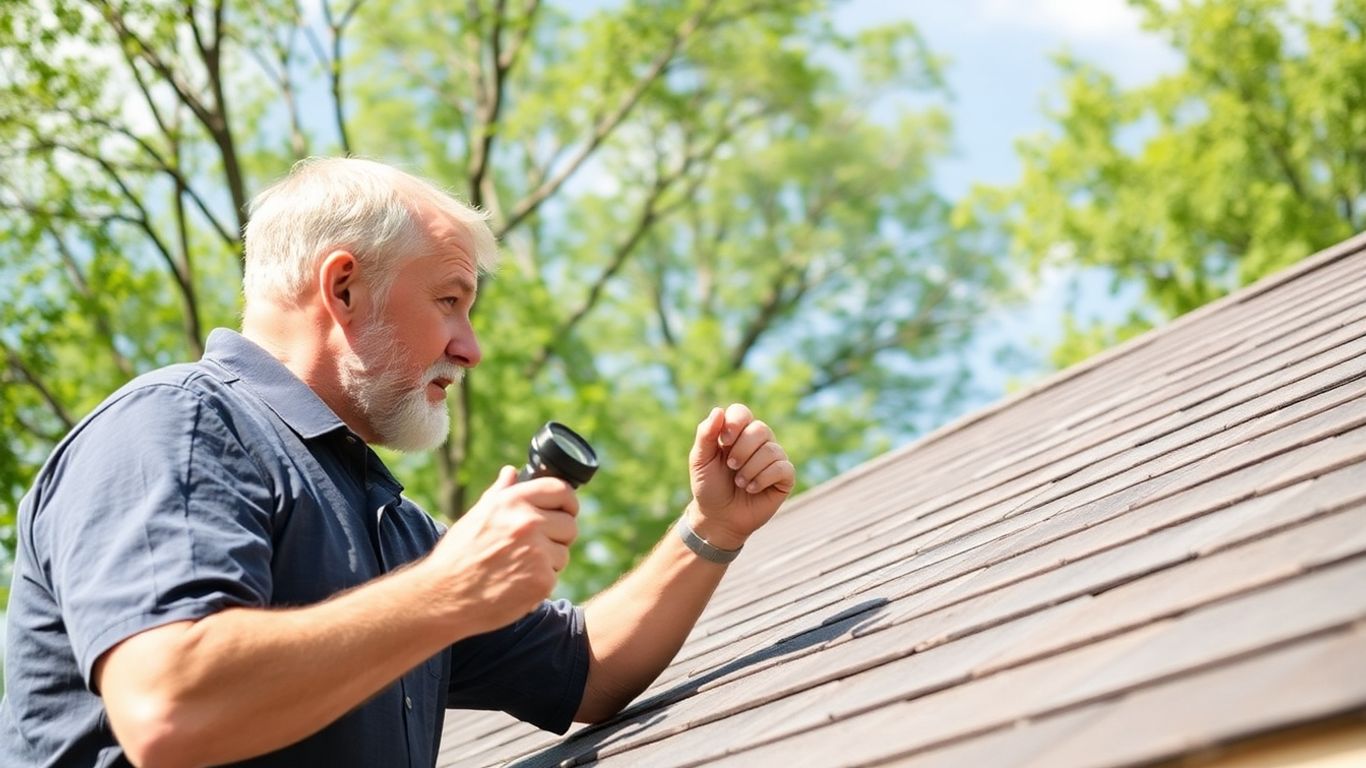
While a DIY inspection is a great way to stay on top of your roof’s condition, there are times when you just need to call in the pros. It’s not about admitting defeat; it’s about being smart and safe. Some issues are just beyond what most homeowners can handle, and trying to fix them yourself could actually make things worse or put you in a dangerous spot.
Understanding Roof Material Lifespans
Different roofing materials have different lifespans. Knowing how long your specific type of roof is supposed to last can help you anticipate when it might be time for a replacement. For example, asphalt shingles typically last 15-30 years, while metal roofs can go 40-70 years or even longer. If your roof is nearing the end of its expected life, it’s a good idea to have a professional take a look, even if you don’t see obvious problems. They can spot wear and tear that might not be visible to the average person.
Here’s a general idea of how long some common roofing materials last:
- Asphalt Shingles: 15-30 years
- Metal Roofing: 40-70+ years
- Wood Shakes/Shingles: 20-40 years
- Tile Roofing: 50+ years
Recognizing Age-Related Roof Vulnerabilities
As roofs get older, they naturally become more susceptible to damage. You might start seeing shingles that are curling, cracking, or losing their protective granules. Flashing can become brittle and crack, and seals around vents and chimneys can dry out and pull away. These are all signs that your roof is aging and might need attention. If you notice a lot of these issues during your inspection, it’s probably time to get a professional opinion. They can assess the overall health of an aging roof and tell you if repairs are enough or if a replacement is on the horizon.
Old roofs can hide problems. What looks like a minor issue to you might be a sign of deeper structural weakness that only an experienced eye can detect. Don’t underestimate the value of a professional assessment, especially when your roof has seen many years of service.
Scheduling Professional Roof Inspections
Even if your DIY inspections don’t reveal any major problems, it’s still a good idea to schedule professional roof inspections periodically. Most experts recommend a professional inspection every 2-5 years, or more often if you live in an area with severe weather. Professionals have the tools and knowledge to spot issues you might miss, like subtle signs of water damage in the attic or compromised structural components. They can also provide a detailed report of your roof’s condition, which can be helpful for insurance purposes or when you’re planning future maintenance.
- After Severe Weather: Always get a professional check after major storms, like heavy hail or high winds.
- Every 2-5 Years: Schedule routine inspections to catch issues early.
- If You Suspect a Problem: Don’t wait if you see water stains, notice sagging, or hear unusual noises from your roof.
If you’re worried about your roof, don’t wait too long to get it checked out. Problems can get worse quickly. If you notice leaks, missing shingles, or damage after a storm, it’s a good idea to call a professional. We can help you figure out what needs to be done. Visit our website to schedule a free estimate and get peace of mind.
Wrapping Up Your Roof Check
So, you’ve gone through the steps and checked out your roof. Doing this yourself is a smart move to catch little problems before they turn into big, expensive ones. Remember, a little bit of your time now can save you a lot of headaches later, especially when winter weather starts to hit hard. Keep an eye on things, and don’t hesitate to call in a pro if you see anything that looks concerning. Your roof works hard to keep you safe and dry, so giving it a little attention is a good idea.
Frequently Asked Questions
How often should I check my roof before winter?
It’s a good idea to give your roof a good look at least once a year, and definitely before winter sets in. Think of it like getting your car ready for a long trip. Checking it before the cold weather hits can help you catch small problems before they turn into big, expensive headaches.
What are the most common things to look for when inspecting my roof?
You’ll want to check for any shingles that are cracked, curled, or missing. Also, make sure your gutters and downspouts are clear of leaves and gunk. It’s also important to look at the flashing around chimneys and vents, as these spots can easily let water in if they’re damaged.
Why is it important to clean my gutters before winter?
Clogged gutters can cause water to back up onto your roof. When winter comes, this water can freeze and create ice dams, which are heavy and can damage your roof and gutters. Keeping them clear lets water drain away properly.
Can tree branches cause problems for my roof in winter?
Yes, they can! Heavy snow or ice can make branches break. If branches are hanging over your roof, they could fall and cause damage to your shingles or even poke holes in your roof. It’s best to trim them back before winter storms arrive.
What signs should I look for inside my house that might mean my roof has a problem?
Keep an eye out for any water stains on your ceiling or walls, especially near the top of your house. You might also notice spots of mold or mildew. These are often signs that water is getting into your home through a roof leak.
When should I call a professional roofer instead of doing it myself?
While you can do a basic check yourself, it’s best to call a pro if you see significant damage, like many missing shingles, or if you’re uncomfortable getting on a ladder. Professionals have the right tools and know-how to spot hidden issues and make safe, lasting repairs.