
Hurricane season is no joke here in Orlando, and honestly, thinking about it can be a bit overwhelming. Your roof is the first thing the wind and rain hit, so making sure it’s in good shape is super important. I mean, nobody wants water pouring into their living room when a storm rolls through. It’s not just about the big storms either; even regular heavy rain can cause problems if your roof isn’t up to par. This guide breaks down what you need to do to get your roof ready, from checking it over to making sure it can handle whatever Mother Nature throws our way.
Key Takeaways
- A thorough roof inspection Orlando is vital before hurricane season starts. Look for loose shingles, damaged flashing, and clear out your gutters.
- Strengthening your roof structure with things like hurricane straps and checking roof decking can make a big difference.
- Don’t forget about potential wind issues: trim trees near your house and secure anything outside that could blow away.
- Understand Orlando’s specific risks, including inland flooding and how past storms have affected the area.
- Regular maintenance and staying updated on building codes are key for long-term roof protection, and review your insurance to make sure you’re covered.
Conduct A Thorough Roof Inspection Orlando
Before hurricane season really kicks into gear, it’s super important to give your roof a good once-over. Think of it as your home’s first line of defense, and you wouldn’t send a soldier into battle without checking their gear, right? A solid inspection can catch small issues before they turn into big, expensive problems when the wind and rain start really coming down.
Assess Shingle Condition
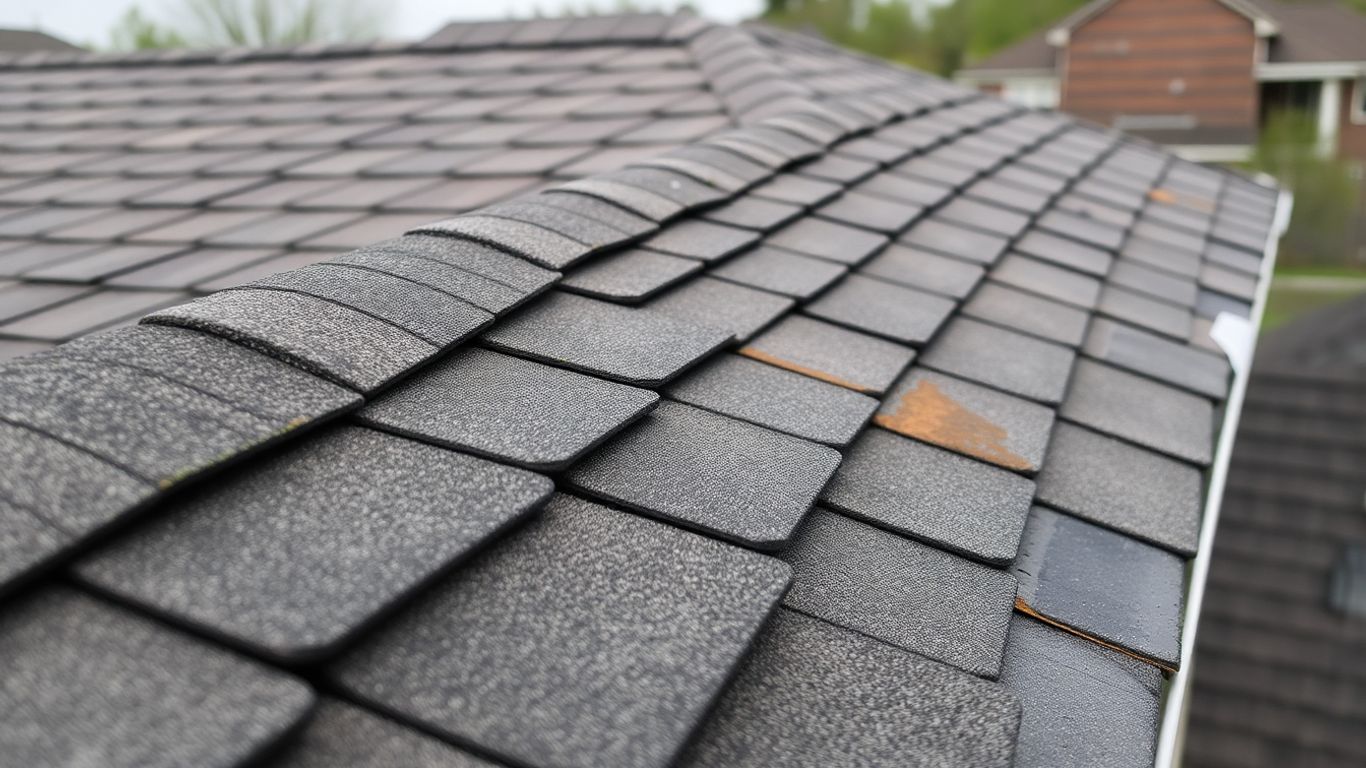
Take a good look at your shingles, whether they’re asphalt, tile, or metal. You’re looking for anything that seems off. Are any shingles missing, cracked, or curling up at the edges? Loose shingles are basically invitations for wind to get underneath and rip them right off. Even a few missing shingles can let water seep in, causing damage you might not see until it’s too late. For tile roofs, check for any cracked or dislodged tiles. They’re heavy, but they can break.
Examine Flashing and Seals
Flashing is that metal stuff around your chimney, vents, and skylights. It’s designed to keep water out, but the seals can break down over time, especially with our strong Florida sun. Check these areas carefully. Any gaps or cracks in the flashing or the sealant around it are prime spots for leaks. It’s a good idea to have a professional roofer check these spots, as they know exactly what to look for.
Clear Gutters and Downspouts
Gutters and downspouts are really important for managing all the water that comes off your roof during a storm. If they’re clogged with leaves and debris, the water can’t drain properly. This can cause it to back up under your shingles or overflow, potentially damaging your home’s foundation. Make sure they’re securely attached and sloped correctly to direct water away from your house. Clearing them out is a simple but effective step to prepare your Florida roof for heavy rain.
A professional inspection is your best bet for catching hidden problems. They have the tools and experience to spot issues you might miss, saving you a lot of headaches later on.
Reinforce Your Roof Structure
When hurricane season rolls around in Orlando, it’s not just about the rain; it’s the wind that really tries to mess with your roof. We’re talking about uplift forces that can literally peel your roof right off. So, making sure everything is tied down tight is super important.
Install Hurricane Straps
Think of hurricane straps, or clips, as the seatbelts for your roof. These metal connectors link your roof trusses directly to the wall studs. This way, the whole house frame moves together when strong winds hit, which seriously cuts down the chance of your roof getting ripped away. If your house was built a while back, a roofer can add these inside the attic. It’s a smart move to make sure your roof stays put.
Consider Impact-Resistant Materials
If you’re thinking about re-roofing or doing major repairs, look into materials designed to handle rough weather. Some shingles and tiles are made to resist impact from wind-blown debris. Metal roofs are also a solid choice for hurricane zones, and it’s worth checking out local permitting and building codes to see what’s recommended or required in our area. Using materials that can take a hit makes a big difference.
Secure Roof Decking
Beyond the shingles or tiles, the roof decking – that’s the plywood or OSB layer underneath – needs to be secure. Make sure it’s properly nailed or screwed down to the rafters and trusses. Some folks even add construction adhesive where the decking meets the rafters for extra strength. This helps everything stay connected when the wind really starts howling. It’s about making sure the whole system, from the decking up, is built to last through a storm.
Address Potential Wind Vulnerabilities
When hurricane season rolls around in Orlando, you really need to think about what the wind can do to your home. It’s not just about the rain, you know? High winds can rip things apart, and even small things left unsecured can become dangerous projectiles. Taking proactive steps to secure your property can make a huge difference.
Trim Overhanging Tree Branches
Trees are beautiful, but they can be a real hazard during a storm. Branches that hang over your roof, especially dead or weak ones, can snap off and smash into your shingles or even go right through your roof. It’s a good idea to trim back any branches that are within about ten feet of your house. If you have large trees that look unhealthy or are leaning precariously, it might be worth calling an arborist to have them assessed or removed before the season really gets going. This is one of those things that people often forget, but it’s super important for protecting your roof.
Secure or Store Outdoor Items
Think about everything you have outside your home – patio furniture, grills, potted plants, trampolines, even those little decorative gnomes. During strong winds, these items can easily become airborne and cause significant damage to your roof, windows, or even your neighbor’s property. It’s best to bring anything that isn’t bolted down inside or secure it very well. Making a list of potential flying objects, sometimes called a "missile list," can help you remember everything that needs attention before a storm hits. You don’t want your patio chairs ending up on your roof, right?
Reinforce Garage Doors
Garage doors are surprisingly vulnerable to wind damage. The large surface area makes them susceptible to being blown inward, which can then compromise the structural integrity of your entire garage and even the main house. Many modern garage doors are built to withstand higher winds, but if yours is older or you’re unsure, consider reinforcing it. This might involve adding extra bracing or checking the tracks and rollers to make sure they are secure. Some homeowners even opt for storm-rated garage doors, which offer a higher level of protection. It’s a good idea to check with a professional about the best options for your specific situation. Getting this checked out could save you a lot of trouble down the line, and you might even get a discount on your homeowner’s insurance for making these upgrades. You can find more information on roof maintenance and storm preparation from local experts like Red Rhino Roofing.
The pressure difference between the outside and inside of your home during a hurricane can be immense. When wind gets inside through even a small opening, it can push outwards, potentially lifting your roof off if it’s not properly secured to the walls.
Understand Orlando’s Hurricane Risk
Living in Orlando, we get to enjoy a lot of great things, but hurricane season is definitely not one of them. Even though we’re not right on the coast, we still get hit hard by these storms. Think about hurricanes like Charley, Frances, Jeanne, and Ian – they all showed us that being inland doesn’t mean we’re safe.
Orlando’s Inland Vulnerabilities
Being about 50 miles from the ocean does protect us from storm surge, which is a big plus. However, we’re still very much in the path of damaging winds, heavy rain, and even tornadoes that can spin off from hurricanes. Our local geography plays a role too. With all the lakes and wetlands around here, flooding can become a serious problem really fast when we get a lot of rain. Plus, we have a lot of mature oak trees, and when the wind really picks up, these can become dangerous projectiles or fall onto homes and power lines.
Flood Risks in Central Florida
Don’t let the inland location fool you; flooding is a major concern for Orlando homeowners during hurricane season. Heavy rainfall associated with tropical systems can overwhelm drainage systems and cause significant water damage, even miles away from the coast. Standard homeowners insurance typically doesn’t cover flood damage, and there’s a waiting period for flood insurance, so it’s something you need to think about well before a storm is on the horizon. It’s wise to review your homeowners coverage to see what’s included.
Historical Storm Impacts
Central Florida has a history of experiencing significant hurricane impacts. Major storms have made direct hits or passed close enough to cause widespread damage. These events serve as a reminder that preparation is key. We’ve seen how wind can tear at roofs, how flooding can inundate neighborhoods, and how falling trees can cause extensive destruction. Understanding these past events helps us appreciate the importance of getting our homes ready.
Here’s a look at some common issues we face:
- Wind Damage: Loose shingles, damaged siding, and even structural compromise from high winds.
- Water Intrusion: Leaks through roofs, windows, and doors, as well as overland flooding.
- Debris Impact: Objects, including tree branches and outdoor furniture, becoming dangerous projectiles.
Preparing your home isn’t just about the roof; it’s about creating a resilient structure that can withstand the forces of nature. Taking proactive steps can make a significant difference in protecting your property and ensuring your family’s safety.
It’s important to have a plan. Knowing what to do and having the right supplies can make a huge difference. You can find helpful checklists and planning advice to get started on your disaster preparedness maps.
Long-Term Roof Protection Strategies
Getting your roof ready for hurricane season isn’t just a one-time thing. It’s really about keeping up with it all year round. Think of it like taking care of your car; regular check-ups and small fixes prevent big breakdowns.
Establish Regular Inspection Schedules
It’s a good idea to look over your roof a few times a year. A quick visual check every few months can catch things like loose shingles or cracked sealant before they become major problems. Then, aim for a more thorough professional inspection at least once a year. This way, you’re always ahead of potential issues.
Implement a Maintenance Program
Beyond just inspections, a consistent maintenance plan is key. This means cleaning out your gutters regularly, especially after storms or when trees are shedding leaves. It also involves addressing any minor repairs promptly. For instance, replacing worn-out caulking around vents and pipes is a relatively inexpensive fix that can stop water from getting in. Staying on top of these small tasks significantly boosts your roof’s ability to withstand strong winds and heavy rain.
Stay Informed on Building Codes
Building codes and standards change, especially after major weather events. Keeping up with these updates means your home’s protection stays current. Sometimes, upgrades that meet new codes can even lead to discounts on your homeowner’s insurance. It’s worth checking with your local building department or a qualified roofer about any changes that might affect your home. You can find more information on preparing your home by looking at resources for coastal roof protection.
Making small, consistent efforts throughout the year is far more effective than a last-minute scramble before a storm hits. It’s about building resilience over time.
Insurance Considerations for Orlando Roofs
When hurricane season rolls around in Orlando, having the right insurance coverage for your roof isn’t just a good idea, it’s pretty much a necessity. Your homeowner’s policy is your first line of defense financially if the worst happens. It’s really important to take a close look at what your current policy actually covers when it comes to wind and water damage.
Many Florida policies have a separate deductible specifically for hurricanes or windstorms. This can be a percentage of your home’s total insured value, not just a flat amount. For example, on a $300,000 home, a 2% deductible means you’d be responsible for the first $6,000 of damage yourself. Make sure you know if your policy covers wind damage to the roof itself, and what the specifics are for water intrusion that might happen because of wind damage. If you’re not sure, calling your insurance agent before a storm hits is way better than trying to figure it out after the fact.
Review Homeowners Coverage
It’s a good idea to understand the specifics of your homeowner’s insurance policy. What exactly does it cover when it comes to your roof? Most policies will cover damage from wind, but water damage might be handled differently, especially if it’s not directly caused by wind. Some policies might require a separate rider for windstorm coverage, or have specific exclusions you need to be aware of. Don’t assume anything; read your policy documents carefully or talk to your agent to clarify any doubts. Knowing your coverage limits and deductibles is key to a smoother claims process later on.
Understand Flood Insurance
Even though Orlando isn’t on the coast, flooding can still be a major issue during hurricanes. Standard homeowner’s insurance policies typically do not cover flood damage. If your home is in a flood-prone area, or even if it’s not but you’re concerned about heavy rainfall and storm surge impacts, you might need separate flood insurance. This is usually provided through the National Flood Insurance Program (NFIP) or private insurers. It’s a separate policy that covers damage from rising water, which can often accompany severe storms and affect your roof and home structure.
Assess Rebuilding Costs
After a major storm, the cost to repair or rebuild can skyrocket due to high demand for contractors and materials. It’s wise to periodically reassess the replacement cost of your home, including your roof. Make sure your dwelling coverage amount is sufficient to rebuild your home from the ground up if it were completely destroyed. Consider that building codes may have changed since your home was built, and rebuilding to current codes might cost more. Talking to a qualified roofer about the cost of modern, hurricane-resistant materials can also give you a better idea of what you might need to budget for, or what upgrades might be worth the investment. For example, getting a quote for a metal roof replacement can give you a benchmark for higher-end, durable options. Red Rhino Roofing can help assess your current roof’s condition and discuss potential upgrades.
It’s important to document any damage thoroughly after a storm. Take clear, dated photos of any issues, from missing shingles to water stains inside your home. This documentation is vital when filing an insurance claim and can help ensure you receive fair compensation for the repairs needed.
When thinking about your Orlando roof, don’t forget about insurance! It’s super important to know how your policy covers roof work. This can save you a lot of headaches later on. Want to learn more about making sure your roof is covered? Visit our website today for all the details!
Ready for Whatever Comes
So, we’ve gone over a lot of stuff to get your Orlando home ready for hurricane season. It might seem like a lot, but taking these steps now really makes a difference. Think of it as getting your house in shape, just like you might get yourself ready for a big event. Checking your roof, trimming those trees, and securing your yard are all important pieces of the puzzle. Don’t wait until the last minute when everyone else is scrambling for supplies. Getting ahead of it means less stress and a safer home for you and your family. Remember, a little preparation goes a long way in protecting your biggest investment. Stay safe out there, Orlando!
Frequently Asked Questions
When is hurricane season in Orlando?
Hurricane season officially runs from June 1st to November 30th each year. However, storms can sometimes form earlier, so it’s best to start preparing well before June.
Why is roof preparation important for Orlando homes?
Your roof is your home’s first line of defense against strong winds and heavy rain. A well-prepared roof can prevent major damage, while a weak one can lead to costly repairs and even make your home unsafe during a storm.
What should I look for during a roof inspection?
When checking your roof, look for any missing or loose shingles, check the seals around vents and chimneys, and make sure your gutters and downspouts are clear of debris. If you’re unsure, it’s always a good idea to have a professional roofer do the inspection.
Are there ways to make my roof stronger against hurricanes?
Yes, you can strengthen your roof by installing hurricane straps, which connect the roof to the walls. You might also consider using impact-resistant shingles or making sure the roof decking is securely attached.
Besides the roof, what else should I secure outside my home?
You should bring in or secure anything that could blow away, like patio furniture, grills, potted plants, and toys. Also, trim any dead or hanging branches from trees that are close to your house, as these can become dangerous projectiles.
Does my homeowner’s insurance cover flood damage from hurricanes?
Typically, standard homeowner’s insurance does not cover flood damage. You usually need to purchase separate flood insurance, and it often has a waiting period before it becomes effective, so it’s important to check your policy and consider getting it well before a storm threatens.