
When is the Best Time of Year to Replace a Commercial Roof in Orlando?
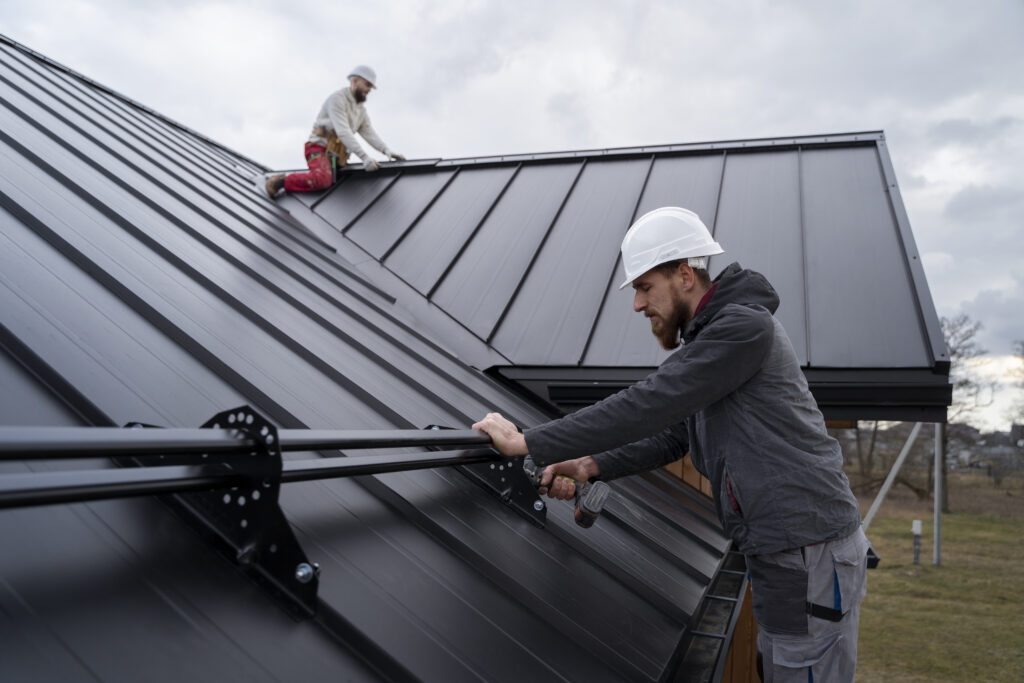
Replacing a commercial roof is a significant investment for any business. In Orlando, FL, choosing the right time of year can affect how long the project takes, the cost, and the quality of the new roof. Planning properly ensures your building stays protected and your investment lasts for years. Whether you manage a warehouse, office building, retail store, or industrial facility, timing matters. This guide explains the best time to replace a commercial roof in Orlando, how the weather impacts roofing projects, and helpful tips to plan efficiently. Why Timing Is Important for Commercial Roof Replacement Commercial roofs are complex systems. They require careful planning and proper installation. In Orlando, weather conditions can affect: – The quality of the installation – How materials perform – Availability of contractors – Project schedules and delays Local commercial roofing contractors in Orlando, FL know that installing a roof during heavy rain or high humidity can cause problems. Materials may not set properly, work can be delayed, and costs can increase. Scheduling properly and using services like roof repairs Orlando, FL can prevent bigger problems later. Understanding Orlando’s Weather Orlando has a subtropical climate with hot summers, mild winters, and a rainy season. This makes timing very important for commercial roofing projects. The best time for roof replacement is during months with fewer storms and lower humidity. This helps contractors work efficiently and ensures materials perform as intended. Best Time to Replace a Commercial Roof in Orlando The ideal time is late fall to early spring, usually between November and April. The reasons are clear: Lower chance of rain – Dry months mean fewer interruptions and smoother work.Mild temperatures – Materials like adhesives, membranes, and sealants perform better without extreme heat.Reliable material curing – Stable weather ensures roofing products are set properly.Better contractor availability – Contractors are less busy compared to hurricane season. Most business owners find that January through April is the easiest time to complete roof replacement without delays. Seasonal Considerations Winter (December to February) This season is mild with less rain. Crews can work consistently, and roofing materials remain in good condition. Projects finish faster and with fewer interruptions. Spring (March to May) Temperatures rise slightly, but the weather is still manageable. Most roofing projects can be completed before the heavier summer rains begin. Contractors are usually available, and work can continue without major delays. Summer (June to September) Summer is hot, humid, and stormy. Emergency replacements are possible, but planned projects may face delays. Safety precautions are important for the crew, and projects may take longer. Fall (October to November) Late fall is usually dry and suitable for roof replacement. Early fall may still have hurricane risks, so planning carefully and monitoring weather is important. Benefits of Choosing Dry Months for Replacement Consistent workdays – Less interruption from rain and storms.Better material performance – Adhesives, membranes, and coatings set correctly.Reliable scheduling – Crews can work without stops.Less business disruption – Projects are completed on time. For business owners planning budgets or schedules, late fall through early spring is the best time to replace a commercial roof in Orlando. Understanding Risks in Summer and Hurricane Season Hurricane season in Florida runs from June to November. Heavy rain, strong winds, and storms can: – Damage ongoing work – Cause delays – Create safety hazards Scheduling outside hurricane season reduces risk and keeps the project on track. Experienced commercial roofing contractors in Orlando, FL can help manage weather challenges efficiently. Tips for Planning Your Commercial Roof Replacement Book early – Contractors fill up fast during dry months, so reserve your project early.Watch the weather – Even in dry seasons, storms can happen. Adjust schedules if needed.Check permits – Orlando and Orange County may require permits before work begins. Plan ahead.Emergency repairs – If your roof shows signs of damage, don’t wait. Roof repairs Orlando, FL can stabilize your roof until full replacement is scheduled. Conclusion Are you considering a commercial roof replacement in Orlando? The months from late fall to early spring offer the best conditions for smooth installation, minimal delays, and reliable results. Working with professional commercial roofing contractors in Orlando, FL ensures your project is done efficiently and your new roof lasts for years. Red Rhino Roofing provides expert roofing services, including full roof replacements and roof repairs Orlando, FL. Our team knows how to handle Central Florida weather and deliver excellent results for your business. Contact US today to schedule a consultation and plan the best time for your roof replacement. Frequently Asked Questions When should I avoid replacing a roof in Orlando? Avoid summer and early fall because of frequent storms and hurricane risk. Can roof replacement happen in summer if urgent? Yes, but it requires careful planning around weather windows. How far in advance should I book a contractor? Plan at least 8 to 12 weeks ahead of your preferred schedule, especially during dry months. Does roof replacement cost more in winter? Costs are usually similar, though early booking may improve contractor availability. Will rain stop a roofing project completely? Rain can slow progress and affect materials. Dry months are safer for uninterrupted work.