
What Steps Should You Take After a Storm Damages Your Roof in Orlando?
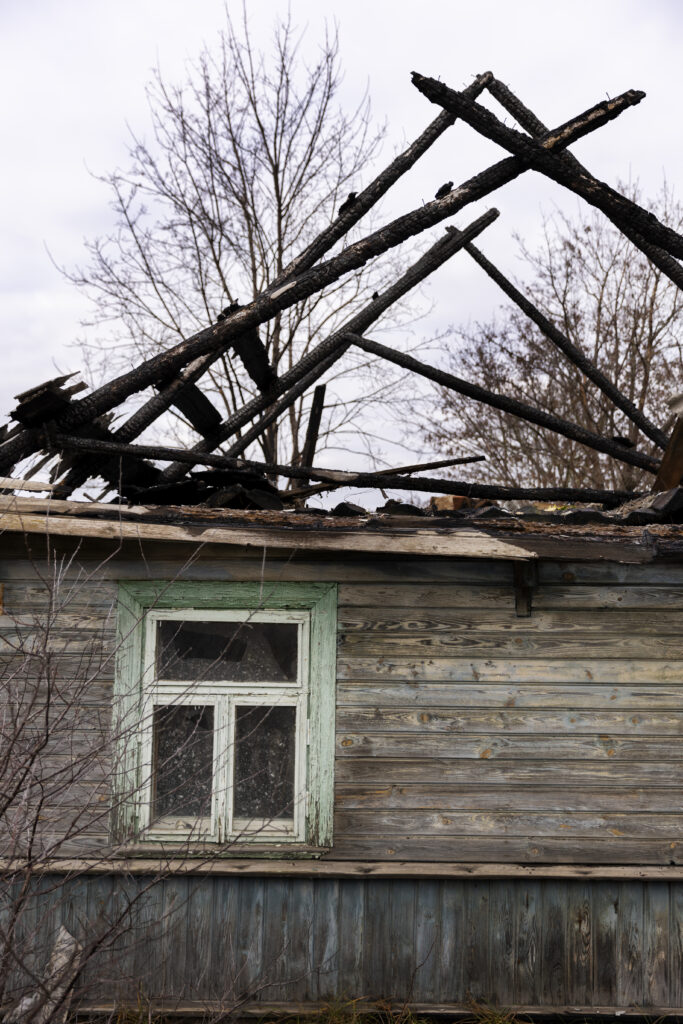
Storms are a common part of life in Central Florida. Heavy rain, strong winds, and even hurricanes can hit without warning, leaving roofs damaged. For business owners, e-commerce managers, marketing directors, and local businesses in Orlando, dealing with a damaged roof can be stressful and confusing. Knowing what to do immediately after a storm can save time, money, and frustration. In this guide, we will go through the steps you should take when your roof is damaged, focusing on roof repairs Orlando, FL and working with commercial roofing contractors in Orlando, FL. Start with Safety First The first thing you need to do is make sure everyone is safe. Never try to climb onto a roof right after a storm. Wet or damaged surfaces can be dangerous and may collapse under your weight. Watch out for fallen tree branches, loose debris, or power lines. Only trained professionals should walk on damaged roofs. Safety always comes first. Look at the Damage from the Ground After it is safe, you can start checking the damage from the ground. Look around your property for signs of roof problems. Check if any shingles are missing, cracked, or curled. Look for broken gutters, downspouts, or trim. Notice if there are large tree branches or other debris on the roof. Check inside your building for water stains or leaks. Even small signs of damage can indicate bigger problems that need attention. Take Detailed Photos and Notes Documenting the damage is very important. Take clear photos and videos of the roof and any interior leaks. Write down notes about what you see, including the time and date of the storm. This information will help if you file an insurance claim or hire professionals for roof repairs service Orlando, FL. The more details you have, the easier it will be to get the right help and coverage. Protect Your Property from More Damage While waiting for professional help, take steps to reduce further damage if it is safe to do so. Cover exposed areas with tarps to prevent water from entering. Place buckets or containers under leaks inside. Move furniture or valuable items away from wet areas. Temporary fixes like these will not repair your roof, but they can prevent small issues from becoming bigger problems. Contact Your Insurance Company Call your insurance company as soon as possible. Use the photos and notes you have collected to explain the damage clearly. Make sure you follow their instructions for filing a claim. Most insurance policies cover damage caused by sudden storms or strong winds, but not damage that occurs over time due to regular wear. Contacting your insurer early helps protect your finances and ensures your claim is handled quickly. Schedule a Professional Roof Inspection Even if the damage seems minor, you should have a professional inspect your roof. Experienced commercial roofing contractors in Orlando, FL can find hidden problems that are not visible from the ground. They can identify loose nails, weakened roofing materials, damaged flashing, or issues with vents and underlayment. A professional inspection provides a detailed report that helps plan repairs and supports insurance claims. Decide Between Repair and Replacement After the inspection, you and your contractor will decide if your roof needs repairs or a full replacement. If only a few shingles are missing, simple repairs may be enough. If there are water leaks inside, large areas of damage, or structural issues, a replacement may be required. Professionals can guide you and explain the best solution based on the roof’s condition and age. Choose a Reliable Roofing Contractor Storms often attract contractors who pressure property owners to sign immediately. Take your time and choose carefully. Look for companies with strong local reviews and proper licensing. Avoid storm chasers or unsolicited door-to-door offers. Make sure the contractor can support your insurance claim and provide a clear estimate for the work. A reliable contractor will ensure that your roof is repaired correctly and will last for years. Repair Your Roof Professionally Once you choose a contractor, schedule your roof repairs in Orlando, FL. Depending on your property, make sure your contractor has experience with commercial or business roofing. Professional roofers will replace damaged shingles, restore flashing and seals, fix gutters, and make sure your roof is secure. Proper repair ensures your property is protected from future storms and reduces the risk of leaks. Keep Up Maintenance After Repairs After your roof is fixed, regular maintenance is key. Inspect your roof regularly, clean gutters, trim trees nearby, and schedule an annual professional check-up. Preventive care will help you avoid costly repairs and maintain your roof’s longevity. Conclusion Do you know what to do after a storm damages your roof in Orlando, FL? Following the right steps can save you time, money, and stress. Start by ensuring safety, documenting the damage, contacting your insurance, and working with experienced roofing contractors in Orlando, FL. Timely action is essential for protecting your business property and avoiding further damage. For businesses and property owners in Orlando, Red Rhino Roofing is a trusted choice for professional roofing contractor services in Orlando. Their team provides accurate inspections, detailed estimates, and high-quality roof repairs service Orlando, FL. Frequently Asked Questions How soon should I inspect my roof after a storm? Only check after the storm is completely over and it is safe outside. Start with a ground-level inspection before calling professionals. Will my insurance cover storm damage in Orlando, FL? Most policies cover sudden storm damage but not gradual wear and tear. Contact your insurer and review your policy carefully. Can I make temporary repairs myself? Temporary fixes like tarping are fine if you can do it safely. Avoid climbing on the roof if you are unsure. When should I call a professional roofing contractor? Call a professional as soon as you see missing shingles, leaks, or interior water damage. What is the difference between a repair and a replacement? Repairs fix specific damage, while replacement is needed if large areas or structural parts
How do Orlando Commercial Roofers Handle Flat Roof Drainage Issues?
Flat roof drainage issues are more than just minor annoyances for business owners in Orlando. They can become serious problems that lead to expensive repairs and damage to your property. Understanding how professional commercial roofing contractors in Orlando, FL address these drainage issues is essential for protecting your commercial property and keeping your business running smoothly. In this post, we will explain the common drainage problems on flat roofs, how experts solve them, and why it matters to deal with them early. How Flat Roof Drainage Works Even though flat roofs appear level, they are designed with a slight slope to move water toward drains. Without this slope, water will collect on the surface, causing damage over time. Flat roof drainage systems typically include internal drains, scuppers that release water from roof edges, gutters and downspouts to direct water away from the building, and sometimes advanced siphonic systems that remove water quickly from large roofs. A well-designed system ensures water does not sit on the roof for long periods. Why Drainage Is Important in Orlando Orlando’s climate, with frequent rain and sudden storms, can overwhelm poor drainage systems. Water that remains on the roof for more than two days can weaken roofing materials, damage insulation, and cause leaks inside the building. Standing water, or ponding, also adds weight to the roof. Just one inch of water can weigh over five pounds per square foot, which can strain the roof structure. Proper drainage prevents these risks and helps extend the life of your commercial roof. Common Flat Roof Drainage Problems Ponding Water Ponding happens when water collects in low areas after rain. This is one of the most common issues for flat commercial roofs. Signs include water staying for days, discoloration or bubbles on the roof membrane, or soft spots when walking on the roof. Ponding damages the roof surface, increases the risk of leaks, and can lead to mold growth. Clogged Drains and Scuppers Debris like leaves, dirt, or gravel can block drains and scuppers. When this happens, water cannot escape, leading to ponding and potential leaks. Regular cleaning is necessary to avoid these problems. Improper Roof Slope Flat roofs are never perfectly flat. A subtle slope guides water toward drains. However, if the slope is not correct or shifts over time due to building movement, water will not flow properly and can pool in unwanted areas. Insufficient Drains Older buildings or those that have been updated without considering drainage may have too few drains or drains that are too small. This can prevent water from draining effectively, especially during heavy storms. How Orlando Roofers Fix Drainage Issues Professional roofers in Orlando use a variety of solutions to handle drainage problems and ensure flat roofs function correctly. Adjusting Roof Slope With Tapered Insulation Tapered insulation is a popular method to improve drainage without major structural changes. It creates a slight slope in the roof to guide water to drains. This method helps prevent ponding, protects the roof membrane, and improves insulation performance. Adding or Moving Drains Roofers can install extra drains or reposition existing ones to match the natural flow of water. Placing drains in low spots ensures water does not collect on the roof. Using Scuppers and Overflow Solutions Scuppers allow water to flow off the roof edges. They are often used with downspouts to prevent water from sitting against the building. Overflow drains provide a backup path for water during heavy storms. Regular Inspections and Maintenance Frequent inspections are essential to keep drainage systems working well. Roofers recommend checking roofs at least twice a year and after major storms. This includes inspecting drains, scuppers, gutters, and the roof membrane for signs of trouble. Professional Cleaning Removing debris from drains, scuppers, and gutters is vital. It ensures water moves smoothly and prevents damage. This is often part of roof repairs Orlando, FL. Advanced Drainage Systems For large commercial buildings, systems like siphonic drains can remove water quickly using vacuum pressure. These systems are ideal in areas with heavy rainfall and large roof areas. Steps to Protect Your Roof Taking these steps helps prevent damage, reduces costly repairs, and keeps your roof performing efficiently. Why Professional Drainage Solutions Matter Using expert commercial roofing contractors in Orlando, FL ensures that drainage issues are handled correctly. Professional solutions help your roof last longer, protect the interior of your building, reduce emergency repairs, and maintain a safe environment for tenants and staff. Conclusion Have you noticed standing water or drainage problems on your commercial property? Ignoring these issues can lead to severe damage and expensive repairs. Red Rhino Roofing is experienced in providing roofing services and expert solutions for commercial properties in Orlando. Our team ensures that your flat roof drains correctly and remains durable against storms. Contact US today for professional assistance and peace of mind for your commercial roof. Frequently Asked Questions (FAQs) How often should I inspect my flat roof? Roofers recommend inspections at least twice a year and after storms. Why does water stay on my flat roof? Common reasons include poor slope, blocked drains, or too few drains. Can tapered insulation solve standing water issues? Yes, it creates a slope that directs water to drains. Do scuppers alone solve drainage problems? Scuppers help, but they work best as part of a complete drainage system. Should I wait until a leak occurs to call a roofer? No, early inspections and maintenance can prevent leaks and save money.
When is the Best Time of Year to Replace a Commercial Roof in Orlando?
Replacing a commercial roof is a significant investment for any business. In Orlando, FL, choosing the right time of year can affect how long the project takes, the cost, and the quality of the new roof. Planning properly ensures your building stays protected and your investment lasts for years. Whether you manage a warehouse, office building, retail store, or industrial facility, timing matters. This guide explains the best time to replace a commercial roof in Orlando, how the weather impacts roofing projects, and helpful tips to plan efficiently. Why Timing Is Important for Commercial Roof Replacement Commercial roofs are complex systems. They require careful planning and proper installation. In Orlando, weather conditions can affect: – The quality of the installation – How materials perform – Availability of contractors – Project schedules and delays Local commercial roofing contractors in Orlando, FL know that installing a roof during heavy rain or high humidity can cause problems. Materials may not set properly, work can be delayed, and costs can increase. Scheduling properly and using services like roof repairs Orlando, FL can prevent bigger problems later. Understanding Orlando’s Weather Orlando has a subtropical climate with hot summers, mild winters, and a rainy season. This makes timing very important for commercial roofing projects. The best time for roof replacement is during months with fewer storms and lower humidity. This helps contractors work efficiently and ensures materials perform as intended. Best Time to Replace a Commercial Roof in Orlando The ideal time is late fall to early spring, usually between November and April. The reasons are clear: Lower chance of rain – Dry months mean fewer interruptions and smoother work.Mild temperatures – Materials like adhesives, membranes, and sealants perform better without extreme heat.Reliable material curing – Stable weather ensures roofing products are set properly.Better contractor availability – Contractors are less busy compared to hurricane season. Most business owners find that January through April is the easiest time to complete roof replacement without delays. Seasonal Considerations Winter (December to February) This season is mild with less rain. Crews can work consistently, and roofing materials remain in good condition. Projects finish faster and with fewer interruptions. Spring (March to May) Temperatures rise slightly, but the weather is still manageable. Most roofing projects can be completed before the heavier summer rains begin. Contractors are usually available, and work can continue without major delays. Summer (June to September) Summer is hot, humid, and stormy. Emergency replacements are possible, but planned projects may face delays. Safety precautions are important for the crew, and projects may take longer. Fall (October to November) Late fall is usually dry and suitable for roof replacement. Early fall may still have hurricane risks, so planning carefully and monitoring weather is important. Benefits of Choosing Dry Months for Replacement Consistent workdays – Less interruption from rain and storms.Better material performance – Adhesives, membranes, and coatings set correctly.Reliable scheduling – Crews can work without stops.Less business disruption – Projects are completed on time. For business owners planning budgets or schedules, late fall through early spring is the best time to replace a commercial roof in Orlando. Understanding Risks in Summer and Hurricane Season Hurricane season in Florida runs from June to November. Heavy rain, strong winds, and storms can: – Damage ongoing work – Cause delays – Create safety hazards Scheduling outside hurricane season reduces risk and keeps the project on track. Experienced commercial roofing contractors in Orlando, FL can help manage weather challenges efficiently. Tips for Planning Your Commercial Roof Replacement Book early – Contractors fill up fast during dry months, so reserve your project early.Watch the weather – Even in dry seasons, storms can happen. Adjust schedules if needed.Check permits – Orlando and Orange County may require permits before work begins. Plan ahead.Emergency repairs – If your roof shows signs of damage, don’t wait. Roof repairs Orlando, FL can stabilize your roof until full replacement is scheduled. Conclusion Are you considering a commercial roof replacement in Orlando? The months from late fall to early spring offer the best conditions for smooth installation, minimal delays, and reliable results. Working with professional commercial roofing contractors in Orlando, FL ensures your project is done efficiently and your new roof lasts for years. Red Rhino Roofing provides expert roofing services, including full roof replacements and roof repairs Orlando, FL. Our team knows how to handle Central Florida weather and deliver excellent results for your business. Contact US today to schedule a consultation and plan the best time for your roof replacement. Frequently Asked Questions When should I avoid replacing a roof in Orlando? Avoid summer and early fall because of frequent storms and hurricane risk. Can roof replacement happen in summer if urgent? Yes, but it requires careful planning around weather windows. How far in advance should I book a contractor? Plan at least 8 to 12 weeks ahead of your preferred schedule, especially during dry months. Does roof replacement cost more in winter? Costs are usually similar, though early booking may improve contractor availability. Will rain stop a roofing project completely? Rain can slow progress and affect materials. Dry months are safer for uninterrupted work.
How Can You Prevent Commercial Roof Leaks in Orlando’s Climate?
Orlando is known for its sunny weather, but the climate can be tough on commercial roofs. Between heavy rains, high humidity, strong sun, and occasional storms, even a small roof problem can turn into a big leak that affects your business and damages property. Protecting your roof is not just smart, it’s necessary to avoid costly repairs and business interruptions. This guide explains easy and practical ways to prevent roof leaks in Orlando, tailored for business owners and local companies. Why Orlando’s Weather Affects Commercial Roofs Understanding the climate is the first step in keeping your roof safe. Orlando’s weather presents some unique challenges. High Humidity The air in Orlando is humid most of the year. This can cause mold, mildew, and moisture buildup if your roof is not sealed or ventilated properly. Even small gaps can let water in and create bigger problems over time. Heavy Rain and Storms Orlando gets around fifty to sixty inches of rain every year. Sudden storms can flood flat roofs if drains or gutters are clogged. This water can cause leaks if not handled quickly. Strong Sun and UV Rays With over 230 sunny days annually, the sun can damage roofing materials. Ultraviolet rays make membranes brittle, cause cracks, and weaken seals, giving water a chance to get inside. Hurricanes and High Winds Even though Orlando is inland, hurricanes and strong winds can still hit the area. They can dislodge roofing components, break seals, and push water into your building. Knowing these risks helps you plan preventive measures that keep your roof safe. Ways to Prevent Roof Leaks in Orlando Here are some practical strategies to protect your commercial roof from leaks. Regular Roof Inspections Inspecting your roof is one of the most important steps. Ideally, inspections should be done twice a year—once before hurricane season and once afterward. After major storms, you should also check the roof for damage. What to check during inspections: Documenting issues with photos helps you track changes and address problems early. Keep Drains and Gutters Clear Water can cause serious damage if it pools on your roof. Leaves, branches, and other debris can block drains and gutters, leading to leaks. Tips to maintain drainage: Good drainage prevents water from sitting on your roof and causing leaks. Seal Roof Penetrations Areas around HVAC units, vents, or skylights are common spots for leaks. If flashings or sealants are worn, water can enter your building. Maintenance tips: Keeping penetrations sealed ensures water stays outside your building. Apply Reflective Coatings Roof coatings protect your roof from the sun’s heat and prevent damage. They also help reduce the stress caused by expanding and contracting materials, which can lead to cracks. Different coatings can provide: Choosing the right coating depends on your roof type and business needs. Trim Nearby Trees Trees near your building can drop leaves or branches that block drains or damage roofing materials. During storms, heavy limbs can puncture your roof. Tips for tree care: Keeping trees trimmed helps prevent damage and keeps drains clear. Repair Minor Damage Quickly Even small cracks, blisters, or loose flashing can turn into big leaks if ignored. Acting quickly saves money and keeps your roof safe. If you notice small problems, schedule professional roof repairs Orlando, FL to fix issues before they worsen. Signs Your Roof May Have Problems Be alert to early warning signs of roof damage: Catching problems early allows you to fix them before a full leak develops. Why Professional Roofing Services Matter DIY checks help, but Orlando’s climate requires expert attention. Professional commercial roofing contractors offer: Partnering with experienced professionals ensures your roof performs well even under harsh conditions. Hiring certified commercial roofing contractors in Orlando, FL is the best way to protect your business. Maintenance Tips to Follow Following these steps regularly keeps your roof strong and dry. Conclusion Are you sure your commercial roof can handle Orlando’s storms and heat? Taking preventive measures such as inspections, debris removal, sealant checks, and professional repairs helps avoid leaks and costly damage. Red Rhino Roofing offers reliable and experienced roofing services, helping businesses keep their roofs in top condition. Their team understands the local climate and provides professional care tailored for commercial properties. Contact Us today to schedule a roof check and make sure your business stays protected from leaks and weather damage. Frequently Asked Questions How often should I inspect my commercial roof? You should inspect it at least twice a year and after major storms to catch problems early. Can reflective coatings prevent leaks? Yes, they protect roofing materials from the sun and prevent cracks that may lead to leaks. Are flat roofs more likely to leak in Orlando? Flat roofs need proper drainage and regular cleaning to avoid pooling water that causes leaks. What is the biggest mistake business owners make? Waiting to repair small issues. Minor cracks or loose flashing can turn into expensive leaks if ignored. Should I hire a local roof inspector? Yes. Local experts understand Orlando’s climate and can recommend the right maintenance and materials.
What Are the Signs Your Commercial Roof Needs Repairs in Orlando?

Maintaining a commercial roof is often not on the daily checklist for business owners until something goes wrong. In Orlando, FL, the weather can put extra stress on roofs. Strong sun, heavy rains, and tropical storms can wear down materials faster than expected. Even small problems can grow into major repairs or safety issues if ignored. This guide will help you identify signs that your commercial roof needs attention. It is designed for business owners, property managers, and decision-makers. Knowing what to watch for will help you act early and avoid costly repairs. Partnering with experienced commercial roofing contractors in Orlando, FL can protect your property and reduce long-term expenses. Why Regular Roof Checks Are Important A commercial roof is essential for protecting your building, employees, and equipment. The Florida climate, with its humidity and heavy rainfall, can weaken roofing materials over time. Minor issues like small leaks or damaged membranes can quickly become serious problems if not addressed promptly. Working with commercial roofing contractors in Orlando, FL ensures your roof is regularly inspected and maintained. Professionals can spot small issues before they interrupt your business or cause structural damage. Water Stains or Leaks Inside the Building One of the first signs of a roof needing repair is water leaking into your building. Look for signs like: These indicate that the roof’s protective layer has failed. Left untreated, leaks can lead to mold, rotting structural beams, and damage to inventory or equipment. Roof repairs Orlando, FL specialists recommend addressing even small leaks immediately to prevent larger issues. Standing Water on the Roof Flat or slightly sloped commercial roofs are common in Orlando, but they require proper drainage. If water remains on the roof for more than a couple of days after rain, this is called ponding. Ponding can: Standing water usually happens because of blocked drains, clogged gutters, or improper roof slope. Having a professional inspect the roof ensures water drains properly and reduces damage risk. Blisters, Bubbles, or Cracks in the Roofing Surface Sometimes air or moisture gets trapped under the roofing material, causing blisters or bubbles. These weak spots make the roof more vulnerable to leaks. Cracks in the roof surface can appear due to aging materials, heavy foot traffic, or temperature changes. Both indicate the roof needs attention before more serious damage occurs. Flashing and Seal Problems Flashing is the metal or material used to seal areas around vents, skylights, and HVAC equipment. When flashing is damaged or worn out, water can enter your building. Signs include: Fixing flashing problems quickly prevents leaks and more expensive repairs. Roof repairs Orlando, FL specialists can reseal or replace flashing to maintain protection. Sagging or Uneven Roof Areas If parts of your roof appear to sag or dip, this is a serious sign of underlying damage. Sagging can happen because of: A sagging roof is a safety concern and requires immediate inspection. Ignoring this can lead to structural failure, especially after heavy rains or strong winds. Rising Energy Costs and Temperature Changes A roof does more than keep water out; it also helps regulate your building’s temperature. When roofing materials or insulation are damaged, your HVAC system works harder to maintain comfortable temperatures. Signs of roofing problems include: Even small changes in energy costs can indicate roof damage that needs professional attention. Tears, Punctures, or Missing Granules Physical damage can occur from storms, debris, or regular foot traffic. Signs of wear include: Granule loss weakens UV protection and shortens the roof’s lifespan. Commercial roofing contractors in Orlando, FL can repair or reinforce these areas before leaks develop. Mold, Mildew, or Unpleasant Smells Sometimes moisture penetrates the roof without visible signs. Hidden water can create mold, mildew, or musty odors. Watch for: These issues indicate that moisture has been trapped for some time. Professional inspection is necessary to prevent further damage. Age of the Roof Every roof has a limited lifespan. Asphalt, membrane, and built-up roofs typically last 15 to 30 years depending on maintenance. Signs of an aging roof include: If your roof is older, consulting a professional can help you decide whether to repair or replace it for long-term cost efficiency. Conclusion If your commercial property in Orlando shows any of these signs, it is important to take action now. Ignoring issues can lead to costly repairs, structural damage, and interruptions to your business. Red Rhino Roofing is a trusted provider of roof repairs Orlando, FL and commercial roofing services. Their team of experienced commercial roofing contractors offers solutions for businesses of all sizes, ensuring your roof remains strong and reliable. Are you ready to protect your property and prevent future damage?Contact US today for a professional roof inspection and maintenance plan. FAQs About Commercial Roof Repairs in Orlando, FL How often should a commercial roof be inspected? Twice a year is ideal, especially before and after hurricane season. When should I contact a roofing contractor? If you notice water stains, sagging, bubbles, or rising energy bills, call a professional immediately. Are small leaks serious? Yes. Even small leaks can cause significant damage over time. Timely repairs are often less expensive than fixing larger problems. Can roofing issues affect indoor air quality? Yes. Moisture from leaks can lead to mold growth, which can impact air quality and employee health. What is the difference between repair and replacement? Repairs fix localized problems. Replacement is often more cost-effective if the roof is old or extensively damaged.