
How Hurricanes Impact Roofs in Sanford, FL and Ways to Protect Your Home
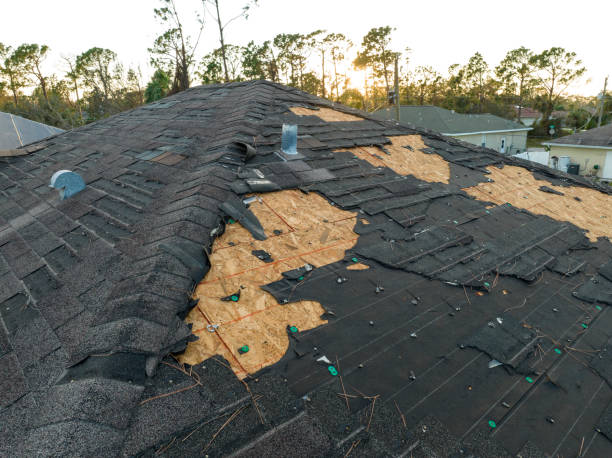
In Sanford, Florida, hurricanes are a part of life every year. When a storm is on its way, most homeowners start thinking about windows, vehicles, and outdoor furniture. But the roof is usually what faces the most damage during these storms. Still, many people do not fully understand how hurricanes harm roofs or what can be done to prevent that damage. This guide explains what happens to your roof during a hurricane, what type of damage to look for, and how you can protect your home with the help of local roofing contractors in Sanford, FL. Why Roofs Get Damaged During Hurricanes Hurricanes bring more than strong winds. They combine heavy rain, flying debris, and air pressure changes that put extreme stress on roofs. Let’s look at a few major reasons why this happens. Strong Winds: During a hurricane, winds can easily reach speeds above 70 to 100 miles per hour. These winds can lift shingles, crack tiles, or loosen metal panels. Roofs that are older or have missing nails can get damaged much faster. Air Pressure: As wind moves over and around your roof, it creates areas of pressure that can pull roofing materials upward. This is called wind uplift, and it often causes tiles or shingles to detach. Flying Debris: Branches, fences, or small objects can become dangerous projectiles when carried by strong winds. When they hit your roof, they can break tiles, dent metal, or tear through shingles. Heavy Rain: Rain can be driven into small openings or cracks. Even a tiny gap allows water to seep inside the roofing layers, leading to leaks, mold, and structural decay. Every hurricane season exposes weaknesses in roofs that are not properly maintained or built with lower-quality materials. What Kind of Roof Damage Happens After a Hurricane After a storm, damage might be visible or hidden. Knowing what to look for helps homeowners take quick action before the situation gets worse. 1. Missing or Broken Shingles Shingles can lift or fly off during heavy wind. When this happens, it exposes the wood deck underneath, making it easy for rainwater to enter. 2. Cracked Roof Tiles Many homes in Sanford have tile roofs because they are attractive and last long. However, tiles can break or slide out of place when hit by strong wind or debris. 3. Leaky Flashing Flashing is the metal installed around vents, skylights, or chimneys. If it comes loose during a hurricane, it opens a path for rainwater to enter the roof. 4. Roof Deck Movement Sometimes the entire deck of the roof shifts slightly from strong pressure. This can lead to sagging or even partial roof collapse in severe cases. 5. Hidden Damage Not all damage is easy to spot. Small cracks, loosened nails, or weak sealants might look fine at first but later cause leaks months after the storm. Because these issues can develop slowly, homeowners should always have their roof checked by local roofing contractors in Sanford, FL after a storm. Common Problems Sanford Homeowners Face After Storms After every hurricane, roofing companies across Florida see the same patterns. Some of the most common issues include: Homeowners often find out too late that their insurance doesn’t fully cover roof damage caused by old age or lack of maintenance. That’s why keeping clear records and regular inspection reports is important before and after every storm. If you need roof repair in Sanford, FL, make sure to contact a trusted company that can document all the issues properly for insurance claims. How to Make Your Roof Stronger Before Hurricane Season The good news is that you can prepare your roof to handle hurricane-force weather. Here are some practical ways to reduce the risk of major roof damage. Regular Inspections It’s important to have your roof inspected at least once a year. Professionals can identify early signs of trouble such as cracks, missing shingles, or weak nails. Fixing these before hurricane season can save you from expensive repairs later. High-Quality Roofing Materials If your roof is due for replacement, ask your contractor for products that are rated for high wind speeds. Modern materials like impact-resistant shingles, strong metal roofing, or hurricane-rated tiles can survive strong gusts much better.When planning a tile roof replacement in Sanford, FL, make sure to choose tiles made to withstand hurricane-level winds. Better Fasteners and Underlayment Your roofing system is only as strong as what holds it together. Using ring-shank nails, heavy-duty underlayment, and storm clips can keep materials secure even in strong winds. Clean and Maintain the Surroundings Loose branches or outdoor furniture can become projectiles during a storm. Keeping your yard tidy and trimming trees helps prevent roof impact. Emergency Tarping and Repairs If a hurricane causes damage, don’t wait for weeks to fix it. Many local contractors provide emergency tarping services that protect your roof from further leaks while repairs are being scheduled. These steps might seem simple, but they make a major difference in keeping your home safe during Florida’s storm season. Choosing the Right Roof Material for Hurricane Protection Not all roofs are built the same. Some materials naturally perform better in stormy climates like Sanford’s. Here’s a quick overview written in simple form instead of a table: Architectural shingles can resist winds up to around 130 miles per hour. They are affordable and a good choice for many homes, but they can still lift during extremely powerful storms. Metal roofing is one of the strongest options available. It resists cracking and can handle high winds with proper installation. Although it costs more initially, it lasts decades with minimal maintenance. Clay or concrete tile roofing gives a beautiful look and performs well when properly fastened. However, tiles can break if they are not secured correctly or if struck by debris. Reinforced underlayment is a hidden but important layer that keeps water out even if shingles or tiles are damaged. This layer must be installed by experienced professionals for best results. When deciding what to install, always ask