
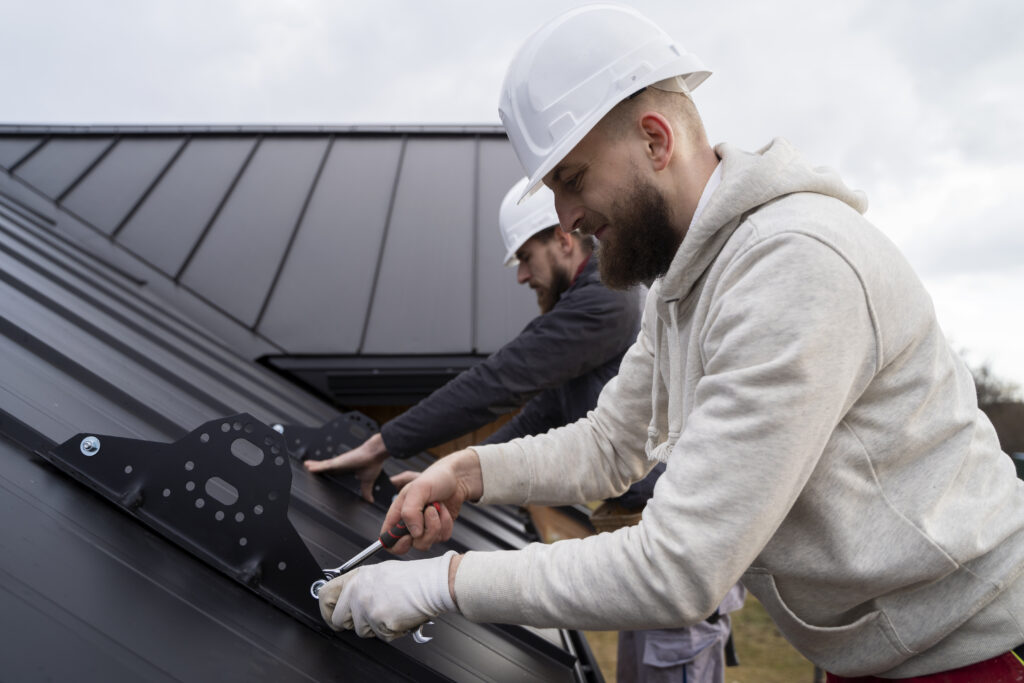
Flat roof drainage issues are more than just minor annoyances for business owners in Orlando. They can become serious problems that lead to expensive repairs and damage to your property. Understanding how professional commercial roofing contractors in Orlando, FL address these drainage issues is essential for protecting your commercial property and keeping your business running smoothly.
In this post, we will explain the common drainage problems on flat roofs, how experts solve them, and why it matters to deal with them early.
How Flat Roof Drainage Works
Even though flat roofs appear level, they are designed with a slight slope to move water toward drains. Without this slope, water will collect on the surface, causing damage over time.
Flat roof drainage systems typically include internal drains, scuppers that release water from roof edges, gutters and downspouts to direct water away from the building, and sometimes advanced siphonic systems that remove water quickly from large roofs. A well-designed system ensures water does not sit on the roof for long periods.
Why Drainage Is Important in Orlando
Orlando’s climate, with frequent rain and sudden storms, can overwhelm poor drainage systems. Water that remains on the roof for more than two days can weaken roofing materials, damage insulation, and cause leaks inside the building.
Standing water, or ponding, also adds weight to the roof. Just one inch of water can weigh over five pounds per square foot, which can strain the roof structure. Proper drainage prevents these risks and helps extend the life of your commercial roof.
Common Flat Roof Drainage Problems
Ponding Water
Ponding happens when water collects in low areas after rain. This is one of the most common issues for flat commercial roofs. Signs include water staying for days, discoloration or bubbles on the roof membrane, or soft spots when walking on the roof. Ponding damages the roof surface, increases the risk of leaks, and can lead to mold growth.
Clogged Drains and Scuppers
Debris like leaves, dirt, or gravel can block drains and scuppers. When this happens, water cannot escape, leading to ponding and potential leaks. Regular cleaning is necessary to avoid these problems.
Improper Roof Slope
Flat roofs are never perfectly flat. A subtle slope guides water toward drains. However, if the slope is not correct or shifts over time due to building movement, water will not flow properly and can pool in unwanted areas.
Insufficient Drains
Older buildings or those that have been updated without considering drainage may have too few drains or drains that are too small. This can prevent water from draining effectively, especially during heavy storms.
How Orlando Roofers Fix Drainage Issues
Professional roofers in Orlando use a variety of solutions to handle drainage problems and ensure flat roofs function correctly.
Adjusting Roof Slope With Tapered Insulation
Tapered insulation is a popular method to improve drainage without major structural changes. It creates a slight slope in the roof to guide water to drains. This method helps prevent ponding, protects the roof membrane, and improves insulation performance.
Adding or Moving Drains
Roofers can install extra drains or reposition existing ones to match the natural flow of water. Placing drains in low spots ensures water does not collect on the roof.
Using Scuppers and Overflow Solutions
Scuppers allow water to flow off the roof edges. They are often used with downspouts to prevent water from sitting against the building. Overflow drains provide a backup path for water during heavy storms.
Regular Inspections and Maintenance
Frequent inspections are essential to keep drainage systems working well. Roofers recommend checking roofs at least twice a year and after major storms. This includes inspecting drains, scuppers, gutters, and the roof membrane for signs of trouble.
Professional Cleaning
Removing debris from drains, scuppers, and gutters is vital. It ensures water moves smoothly and prevents damage. This is often part of roof repairs Orlando, FL.
Advanced Drainage Systems
For large commercial buildings, systems like siphonic drains can remove water quickly using vacuum pressure. These systems are ideal in areas with heavy rainfall and large roof areas.
Steps to Protect Your Roof
- Schedule inspections twice a year and after storms
- Keep drains and gutters clean to prevent clogs
- Use protective roof coatings to extend membrane life
- Check the structure for sagging or weak spots that could affect drainage
Taking these steps helps prevent damage, reduces costly repairs, and keeps your roof performing efficiently.
Why Professional Drainage Solutions Matter
Using expert commercial roofing contractors in Orlando, FL ensures that drainage issues are handled correctly. Professional solutions help your roof last longer, protect the interior of your building, reduce emergency repairs, and maintain a safe environment for tenants and staff.
Conclusion
Have you noticed standing water or drainage problems on your commercial property? Ignoring these issues can lead to severe damage and expensive repairs.
Red Rhino Roofing is experienced in providing roofing services and expert solutions for commercial properties in Orlando. Our team ensures that your flat roof drains correctly and remains durable against storms.
Contact US today for professional assistance and peace of mind for your commercial roof.
Frequently Asked Questions (FAQs)
How often should I inspect my flat roof?
Roofers recommend inspections at least twice a year and after storms.
Why does water stay on my flat roof?
Common reasons include poor slope, blocked drains, or too few drains.
Can tapered insulation solve standing water issues?
Yes, it creates a slope that directs water to drains.
Do scuppers alone solve drainage problems?
Scuppers help, but they work best as part of a complete drainage system.
Should I wait until a leak occurs to call a roofer?
No, early inspections and maintenance can prevent leaks and save money.