
Dealing with roof damage can be a real headache, especially after a big storm. You’re probably wondering what steps to take to get your home fixed up. If you’re in Orlando and need to file an insurance claim for your roof, this guide will walk you through the whole process. We’ll cover everything from spotting the damage to getting paid for the repairs, making sure you know what to expect.
Key Takeaways
- Start by checking your roof for obvious signs of damage like missing shingles or water stains inside your home. If the damage seems significant or could cause bigger problems, it’s time to think about filing an insurance claim.
- Contact your insurance company as soon as you can after discovering the damage. Have photos or videos ready and review your policy to understand your coverage and deductible.
- An insurance adjuster will likely inspect your roof to assess the damage. Be prepared to share your documentation and answer their questions about what happened.
- Get estimates from a few different, reputable roofing contractors. This helps you understand the cost of repairs and avoid any potential scams.
- If your claim is denied, don’t give up. You can ask for a different adjuster to review the damage or even get a second opinion from a structural engineer.
Assessing Your Roof Damage for an Insurance Claim
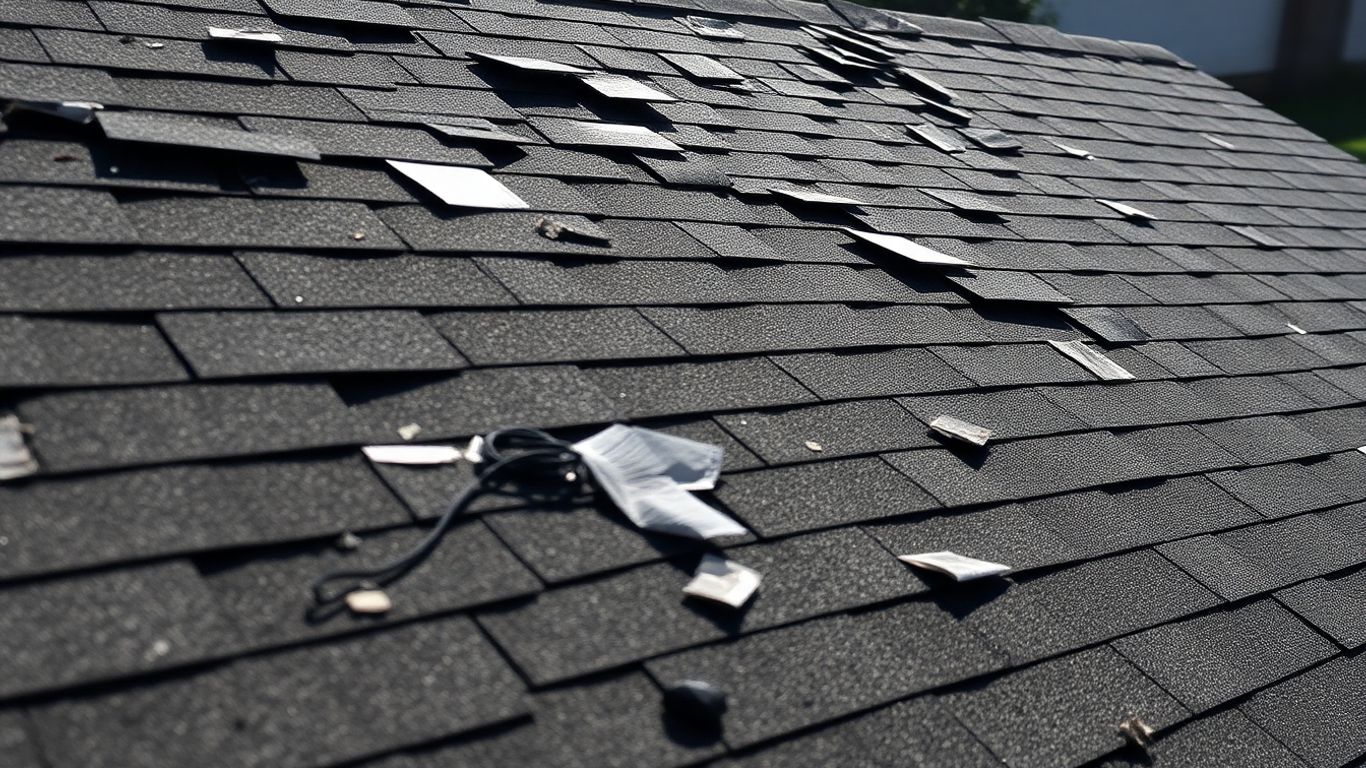
After a storm or noticing something’s not quite right with your roof, the first step is figuring out what’s actually going on. You don’t want to call your insurance company for something minor, but you also don’t want to wait too long if there’s real damage. It’s a bit of a balancing act.
Identifying Signs of Roof Damage
Look for the obvious stuff first. Missing shingles are a big red flag. If you see any bare spots where shingles used to be, or if you find them in your yard after a windy day, that’s a clear sign. Also, keep an eye out for shingles that look cracked, curled, or are just generally falling apart. As roofs age, the material can get brittle, making it easier for wind and rain to cause problems. Another thing to watch for is any sagging in the roofline. That could mean water has gotten into the underlying wood, causing it to warp. Inside your house, look for water stains on ceilings or walls, especially after it rains. These are often signs of a leak that started in the roof. Sometimes, the damage isn’t so obvious. You might have hidden water stains behind walls or in your attic, or even mold growth in damp areas. These hidden issues can be just as serious as the visible ones.
Understanding When to File a Claim
So, when is it time to actually pick up the phone and call your insurance agent? Generally, if the damage is significant, it’s worth filing. Think about major wind events, heavy hail, or falling branches. If the damage seems like it could compromise the roof’s structure or lead to more problems down the line, that’s a good indicator. Also, consider the timing. Most policies have a window for filing claims after an incident, so don’t wait too long. It’s also important to consider your deductible. If the estimated cost of repairs is less than your deductible, filing a claim might not be the best financial move. You’ll want to get a professional opinion on the extent of the damage before making that decision. Getting a quick assessment can help prevent further issues, and Red Rhino Roofing offers emergency services if you need immediate attention.
Determining if Damage Exceeds Your Deductible
This is where things can get a little tricky. Your deductible is the amount you pay out-of-pocket before your insurance kicks in. Let’s say your deductible is $1,000. If a roofer estimates the repairs will cost $800, then filing a claim probably isn’t worth it, as your insurance won’t pay anything. However, if the estimated repairs are $2,500, then your insurance would cover the remaining $1,500 after you pay your $1,000 deductible. It’s a good idea to get a couple of estimates from reputable contractors to get a clear picture of the repair costs. This will help you make an informed decision about whether to proceed with a claim.
It’s always wise to have a general idea of your policy’s deductible before any damage occurs. Knowing this number upfront can save you a lot of confusion and potential disappointment later on.
Initiating Your Insurance Claim in Orlando
So, your roof took a beating, huh? Dealing with storm damage in Orlando can be a real headache, and figuring out how to get your insurance company to help is the next big step. It’s not always straightforward, but if you know what to do, you can make the process a lot smoother.
Contacting Your Insurance Company Promptly
Once you’ve spotted the damage, don’t wait around too long. The sooner you let your insurance company know, the better. Most policies have a time limit for reporting damage, and you don’t want to miss that window. When you call, be ready to give them the basics: your policy number, the date and time you noticed the damage, and a brief description of what happened. It’s a good idea to keep a log of all your communications, including dates, times, and who you spoke with. This can be really helpful later on.
Documenting the Damage Thoroughly
Before you even pick up the phone, start gathering evidence. Take plenty of pictures and videos of the damage from different angles, both inside and outside your home. If you have photos of your roof before the storm, even better. This visual proof is super important for your claim. You’ll need to show that the damage directly resulted from a covered event, and good documentation is key to proving your case. Think about things like water stains on ceilings, damaged shingles, or any debris that might have fallen on your roof. This evidence is crucial for supporting your claim and securing necessary repairs.
Reviewing Your Insurance Policy Details
Before you talk to anyone at the insurance company, take a good look at your actual insurance policy. It’s easy to just ignore it until something happens, but knowing what’s covered and what’s not is really important. Pay attention to your deductible – that’s the amount you have to pay out-of-pocket before the insurance kicks in. Also, check if you have Replacement Cost Value (RCV) or Actual Cash Value (ACV) coverage, as this affects how much you’ll get. If you’re unsure about any of the policy details, it’s best to contact your insurance agent directly rather than calling the general claims line, which might log the event and potentially use it against you later.
Filing a claim can feel overwhelming, but being prepared with documentation and a clear understanding of your policy puts you in a much stronger position. It’s about being proactive and making sure you get the coverage you’re entitled to.
The Role of the Insurance Adjuster
After you’ve filed your claim, the insurance company will likely send an adjuster to your home. This person is basically the eyes and ears of the insurance company, tasked with figuring out exactly what happened to your roof and how much it’s going to cost to fix. It’s a pretty important step in the whole process, so you’ll want to be ready for them.
Preparing for the Loss Inspection
When the adjuster is scheduled to come out, you’ll want to have everything organized. Think of it like getting ready for a doctor’s visit – you want to make sure they have all the information they need to make a good assessment.
- Gather all your claim-related documents. This includes your initial claim report, any photos or videos you took of the damage, and a copy of your insurance policy. Having these handy will help the adjuster understand the situation quickly.
- Be present during the inspection. While not always required, it’s a good idea to be there. You can point out specific areas of damage that you’ve noticed and answer any questions the adjuster might have about how the damage occurred.
- Ensure safe access to the roof. If it’s safe and possible, make sure the adjuster can get a good look at the roof. This might involve clearing any debris from walkways or ensuring ladders are accessible.
The adjuster’s job is to assess the damage objectively. Providing them with clear, organized information helps them do their job accurately, which ultimately benefits your claim.
Working Effectively with the Adjuster
Interacting with the insurance adjuster is key to a smooth claims process. They’re not there to trick you, but they do need to follow specific procedures.
- Be polite and cooperative. Remember, they’re just doing their job. A good working relationship can make the process less stressful for everyone involved.
- Ask questions. If you don’t understand something the adjuster is saying or doing, don’t hesitate to ask for clarification. It’s better to ask now than to be confused later.
- Take notes. Jot down the adjuster’s name, the date and time of the inspection, and any key points they mention. This can be helpful for your records.
Understanding the Adjuster’s Report
Once the inspection is complete, the adjuster will write up a report. This report details their findings, including the cause of the damage, the extent of the damage, and an estimate for the repairs.
- Review the report carefully. Compare the adjuster’s assessment with your own observations and any contractor estimates you might have already gathered. Look for any discrepancies or items that seem to be missing.
- The report is the basis for the insurance company’s decision. It outlines what they believe is covered under your policy and the amount they are willing to pay. If you disagree with anything in the report, this is the time to address it.
- Don’t be afraid to question the estimate. If the numbers seem low or don’t account for all the damage you believe exists, you’ll need to provide evidence to support your case. This is where having your own contractor estimates becomes really important. For example, if the adjuster’s report doesn’t include replacing certain flashing or underlayment that you know is damaged, you’ll need to point that out. You might need to get a second opinion from a qualified roofer, like those at Red Rhino Roofing, to ensure your claim is accurate.
Securing Repair Estimates for Your Orlando Home
Once your insurance company has given you the go-ahead, or at least an initial estimate, it’s time to get down to the nitty-gritty of actual repairs. This means finding a roofer you trust and getting solid numbers for the work needed. It’s not just about finding the cheapest option; it’s about finding someone who will do the job right and work with your insurance company effectively.
Hiring a Qualified Roofing Inspector
Before you even get estimates from contractors, it’s a good idea to have a qualified inspector take a look. They aren’t trying to sell you a new roof; their job is to give you an unbiased assessment of the damage. This can be super helpful in understanding the scope of the problem and what needs to be done. They can identify things you might miss, like subtle damage to flashing or underlayment.
Obtaining Multiple Contractor Estimates
Don’t just go with the first roofer who walks up to your door. It’s really important to get at least three different estimates from reputable roofing companies. This gives you a good baseline to compare pricing and understand what a fair cost for the repairs should be. When you get these estimates, make sure they are detailed. They should include:
- A breakdown of all materials needed, like shingles, underlayment, and flashing.
- Labor costs for each part of the job.
- Specific work to be done, like replacing certain sections or a full roof replacement.
- Information on permits and warranties.
- Estimated start and completion dates.
Avoiding Roofing Scams After Storms
Unfortunately, when storms hit Orlando, they can attract less-than-honest contractors. These folks often prey on homeowners who are stressed and just want their roofs fixed quickly. Be wary of anyone who:
- Offers a price that seems too good to be true.
- Pressures you to sign a contract immediately.
- Asks for a large upfront payment before any work begins.
- Doesn’t have a local physical address or proper licensing and insurance.
Always check a contractor’s reputation with the Better Business Bureau and look for local reviews. A good roofer will be transparent about costs and processes, and they won’t mind you taking your time to make a decision.
Getting multiple, detailed estimates is your best defense against overpaying and ensures you have a clear picture of the necessary repairs before committing to a contractor.
Navigating Claim Denials and Next Steps
Understanding Reasons for Claim Denial
It’s definitely a bummer when your insurance claim gets denied, but it happens more often than you might think. Usually, it’s because the insurance company doesn’t see enough damage to warrant a payout, or maybe there’s an exclusion in your policy that they’re pointing to. Sometimes, it could be due to improper installation or poor attic ventilation, which they might argue contributed to the problem. Don’t just accept a denial at face value; it’s important to understand exactly why they’re saying no. They might claim the damage is pre-existing or simply not covered under your specific plan. Knowing the reason is the first step to figuring out what to do next.
Requesting a Reinspection with a Different Adjuster
If your claim gets shot down, one of the first things you should do is ask for a second opinion from your insurance company. This means requesting a reinspection, but with a different adjuster. It’s a free option, and honestly, it’s often successful. A new set of eyes might see things the first adjuster missed. It’s a pretty common path people take when they disagree with the initial assessment. You’re essentially asking them to take another look, and there’s a decent chance they might approve it this time around.
Seeking a Second Opinion from a Structural Engineer
Still no luck after the reinspection? Don’t give up just yet. Your next move could be to bring in a professional who specializes in building structures – a structural engineer. They can come out, thoroughly inspect your roof, and provide a detailed report. This report can serve as solid evidence to show your insurance company that the damage is indeed significant and requires repair or replacement. Think of it as getting an expert’s stamp of approval on your claim. This step can be really helpful in proving your case, especially if the insurance adjusters are being difficult. If you’re in need of emergency roof repairs after a storm, Red Rhino Roofing can help assess the damage and assist with the claims process.
Here’s a quick rundown of what to consider:
- Review your policy: Make sure you understand what’s covered and what’s not.
- Gather all documentation: Photos, videos, and any previous inspection reports are your best friends.
- Communicate clearly: Keep records of all conversations with your insurance company.
Sometimes, the insurance company might suggest that the damage is minor or not covered. It’s important to remember that you have rights as a policyholder. Don’t hesitate to push back if you believe the denial is unfair. Getting professional opinions can make a big difference in the outcome of your claim.
Understanding Your Insurance Payout
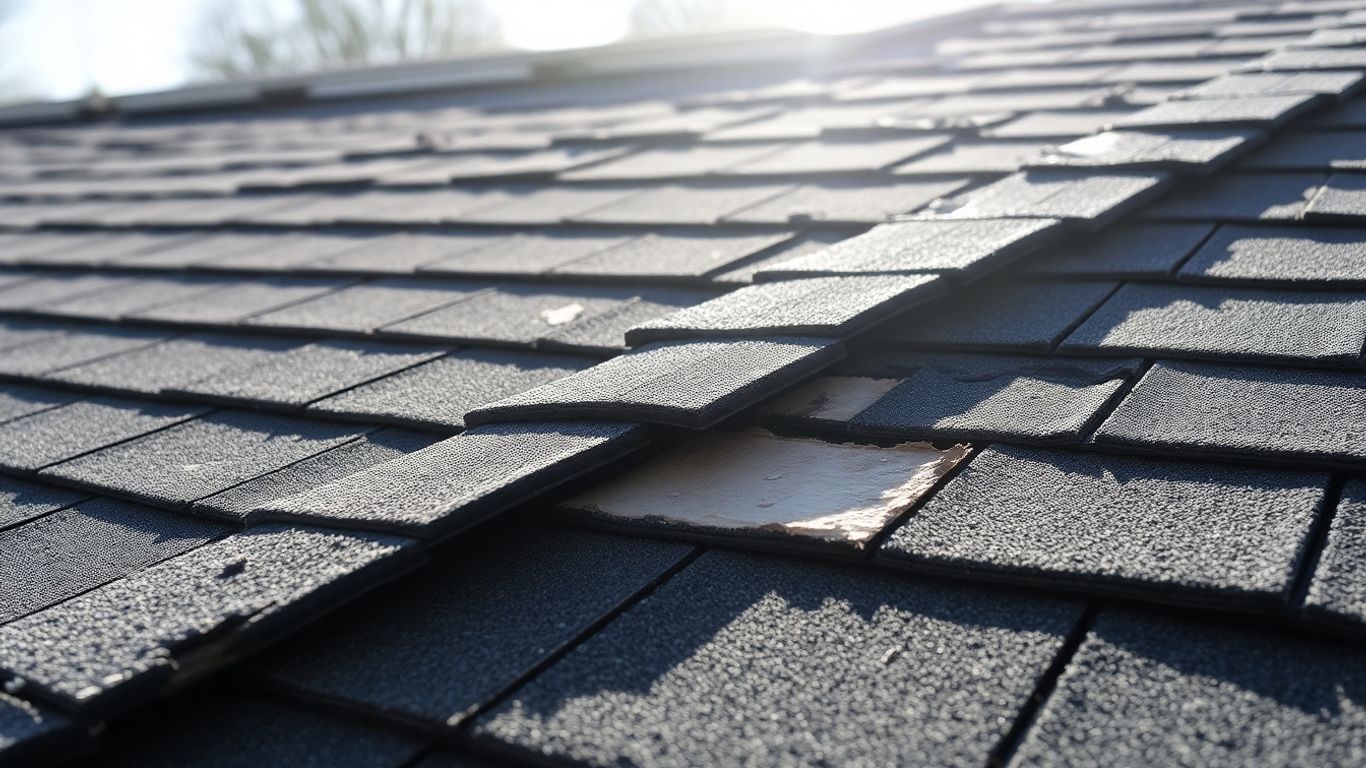
So, your roof claim got the green light. That’s great news! But what happens next with the money? It’s not always as simple as getting a big check. There are a few things to know about how insurance companies figure out what you get.
Replacement Cost Value vs. Actual Cash Value
This is a big one and really affects how much you’ll end up with. Your policy will either pay out based on Replacement Cost Value (RCV) or Actual Cash Value (ACV). RCV means they’ll pay to replace your roof with new materials of similar kind and quality. ACV, on the other hand, pays you the current value of your roof, minus depreciation. Think of it like this: a 10-year-old roof isn’t worth as much as a brand-new one, so ACV accounts for that wear and tear. If your policy is ACV, you might only get a percentage of the total replacement cost.
For example, if a roof replacement costs $10,000 and your policy has ACV with 51% depreciation, the insurance might only cover $4,900. After your $1,000 deductible, you’d get $3,900 from the insurance company towards that $10,000 roof.
Receiving the Initial Cost Estimate
Once your claim is approved, the insurance company will send you an initial estimate. This is usually generated using specialized software, like Xactimate, which breaks down all the costs associated with your roof repair or replacement. It’s basically their first offer based on what their adjuster found and what your policy covers. This estimate is what they’ll base the first payment on.
Closing Out Your Approved Claim
After you get the initial estimate and the first check (which is typically the ACV amount, minus your deductible), you’ll need to get the roof repaired or replaced. Once the work is done, you’ll need to provide proof to your insurance company. This is when you’ll receive the remaining funds, which includes the depreciation that was held back. They might also include any additional approved items that came up during the repair process. It’s important to know that you can’t legally keep any extra money approved by the insurance company beyond what’s needed for the repairs and your deductible; you can’t profit from a claim.
It’s illegal to profit off an insurance claim. If additional work was performed and approved by the insurance company, the homeowner cannot keep this money above and beyond their required deductible.
When you’re ready to hire a roofer, make sure they’re experienced with insurance claims. They can help you understand what your insurance covers and what might be extra costs, like upgrading shingles or fixing rotten decking, which insurance usually doesn’t cover. Finding a reputable local roofer is key to a smoother process and can help limit your out-of-pocket expenses. You can check out local roofing contractors for options.
Potential Impact on Your Insurance Rates
So, you’ve gone through the whole process, filed a claim, and hopefully got your roof fixed. That’s great! But now you might be wondering, what’s next for your insurance policy? Will this claim jack up your rates? It’s a common question, and the answer isn’t always a simple yes or no.
How Claims Affect Future Premiums
Generally speaking, filing an insurance claim can influence your future premiums. If this is your first claim in a while, and it’s for legitimate storm damage that resulted in a new roof, it might actually help stabilize or even lower your rates in the long run. Why? Because you’ll have a brand-new roof that’s much less likely to have issues. However, if you’ve filed multiple claims recently, especially if they were denied or for minor issues, you could see an increase. Some insurance companies might even decide not to renew your policy if you have too many claims within a certain period, typically around three claims in five years. It’s a good idea to check your policy details and maybe even chat with your insurance agent about your specific situation.
Understanding Regional Rate Adjustments
It’s not just about your personal claim history. Insurance rates, especially for things like wind and hail damage, are often set based on regional factors. This means that if a large storm hits your area, and many people file claims, the insurance company might adjust rates for everyone in that region. So, even if your own claim was small, you could still see a rate change due to widespread damage in your neighborhood. It’s like a collective effect; if the area is deemed higher risk, premiums can go up for all policyholders there.
Consequences of Multiple Claims
Having a history of claims can definitely make things trickier. Most insurance providers look at your claims over the past five years. If you’ve filed two claims and then have a third, you might find yourself dropped by your current insurer. This means you’ll have to shop around for a new policy, and new policies, especially after you’ve had claims, can often come with higher costs. It’s important to be mindful of this when deciding whether to file a claim for minor damage. Sometimes, paying out-of-pocket for small repairs is a better long-term strategy than risking your insurance coverage. If you’re unsure about the extent of damage, getting a professional opinion from a roofer can help you make a more informed decision before contacting your insurer. For example, if you suspect storm damage, a company like Red Rhino Roofing can help assess the situation.
Filing a claim is a significant event that impacts your insurance. Consider your claim history, the severity of the damage, and your policy type before initiating the process. Weighing the potential increase in premiums against the cost of repairs is a key part of managing your homeowner’s insurance effectively.
Your roof’s condition can really change how much you pay for insurance. A well-maintained roof might mean lower rates. Want to see how we can help protect your home and potentially save you money? Visit our website today to learn more and get a free estimate!
Wrapping Up Your Roof Claim
So, dealing with roof damage can be a real headache, but hopefully, this guide has made the insurance claim process a little clearer. Remember to document everything, talk to your insurance company promptly, and get a good estimate for repairs. It might take some patience, especially if you need a second opinion or a different adjuster, but staying organized and informed is key. Don’t forget to review your policy so you know what to expect. Taking these steps can really help things go more smoothly when you need to get your roof fixed.
Frequently Asked Questions
What should I do right after I notice damage to my roof?
First, take pictures or videos of the damage. Note down when and how it happened. Then, check your insurance policy to see what it covers and what your deductible is. Finally, contact your insurance company to let them know about the damage and start the claim process.
When is it worth filing a roof damage claim?
It’s generally a good idea to file a claim if the cost of repairs is more than your insurance deductible. Also, if the damage is significant, makes your roof unsafe, or was caused by something like a storm (wind, hail, etc.), you should consider filing a claim.
What is a deductible and how does it affect my claim?
A deductible is the amount of money you have to pay out-of-pocket before your insurance company starts paying for repairs. For example, if your deductible is $1,000 and the roof repair costs $5,000, you’ll pay $1,000, and your insurance will cover the remaining $4,000.
What does an insurance adjuster do?
An insurance adjuster is a person sent by your insurance company to look at the damage to your roof. They figure out what caused the damage, how bad it is, and how much it will cost to fix. They then write a report for the insurance company to help them decide on your claim.
What if my insurance claim for roof damage is denied?
If your claim is denied, don’t give up right away. First, try asking your insurance company for a different adjuster to review the damage. If that doesn’t work, you could hire a structural engineer to give their professional opinion on the damage. Sometimes, consulting a public adjuster or seeking legal advice might be necessary, but these can be costly.
Will filing a claim increase my homeowner’s insurance rates?
It might. If you file a claim and it’s approved, especially if it’s your first claim in a while, your rates might go up slightly. However, if your roof is replaced with a new one, it could actually help lower your rates in the long run because a new roof is less likely to have problems. If you file multiple claims in a short period, your rates will likely increase, or your policy could even be canceled.