
Hurricane season is no joke here in Orlando. We all know how intense those storms can get, and our roofs really take a beating. Thinking about your roof might not be the most exciting thing, but it’s super important to get it ready before the storms roll in. It’s like getting your car ready for a long trip – you want to make sure everything is in good shape. This guide will walk you through what you need to know to keep your home safe and sound when the weather gets rough. Let’s get your roof prepped!
Key Takeaways
- A thorough roof inspection Orlando is vital before hurricane season starts to find any weak spots.
- Fixing loose shingles and damaged flashing is a top priority for making your roof tougher.
- Keeping trees trimmed away from your roof helps prevent them from causing damage during high winds.
- Upgrading to materials like impact-resistant shingles offers better protection against wind and debris.
- Regular maintenance and staying updated on building codes are smart ways to keep your roof ready year-round.
Understanding Orlando’s Unique Roofing Challenges
Orlando’s Climate and Roofing Demands
Orlando’s weather is no joke, and it really puts a strain on our roofs. We get intense sunshine pretty much year-round, which can bake shingles and make them brittle over time. Then there’s the humidity, which can lead to mold and mildew issues if your roof isn’t properly ventilated. But the big one, of course, is hurricane season. We’re talking about high winds, driving rain, and sometimes even hail. All these elements combined mean that a roof here has a tough job. Choosing materials that can handle this constant barrage is super important for keeping your home safe and dry. Older roofs, especially those over 20 years old, might not be up to the task anymore. It’s worth looking into how long different roofing materials typically last in our climate.
| Roofing Material | Average Lifespan (Years) |
|---|---|
| Asphalt Shingles | 20 – 25 |
| Metal | 40 – 70 |
| Tile | 50 – 100 |
| Architectural Shingles | 30 – 50 |
Innovative Roofing Technologies for Resilience
Thankfully, the roofing industry is always coming up with new ways to make roofs tougher. You’ll see a lot more reflective tiles and metal roofing options around here. These materials help bounce sunlight away, keeping your attic cooler and cutting down on energy bills, which is a big plus during our hot summers. Some folks are even going for green roofs or solar panels, which are great for the environment and can save you money on electricity. It’s all about finding solutions that work with our climate, not against it. We’ve seen some really neat advancements that make roofs more durable and energy-efficient.
Keeping up with the latest roofing tech can make a real difference in how well your home holds up against the elements.
Choosing the Right Roofing System
When it’s time to think about a new roof or even just repairs, picking the right system is key. You’ve got options like metal roofs, which are known for their strength and longevity, or different types of asphalt shingles, including architectural shingles that offer a bit more style and durability. The main thing is to focus on what will stand up best to wind and rain. Making a smart choice now can save you a lot of headaches and money down the road, especially when hurricane season rolls around. It’s a good idea to look into what materials are best suited for our specific weather conditions, like those mentioned in hurricane-resistant roofing materials in Florida.
Conducting a Thorough Roof Inspection Orlando
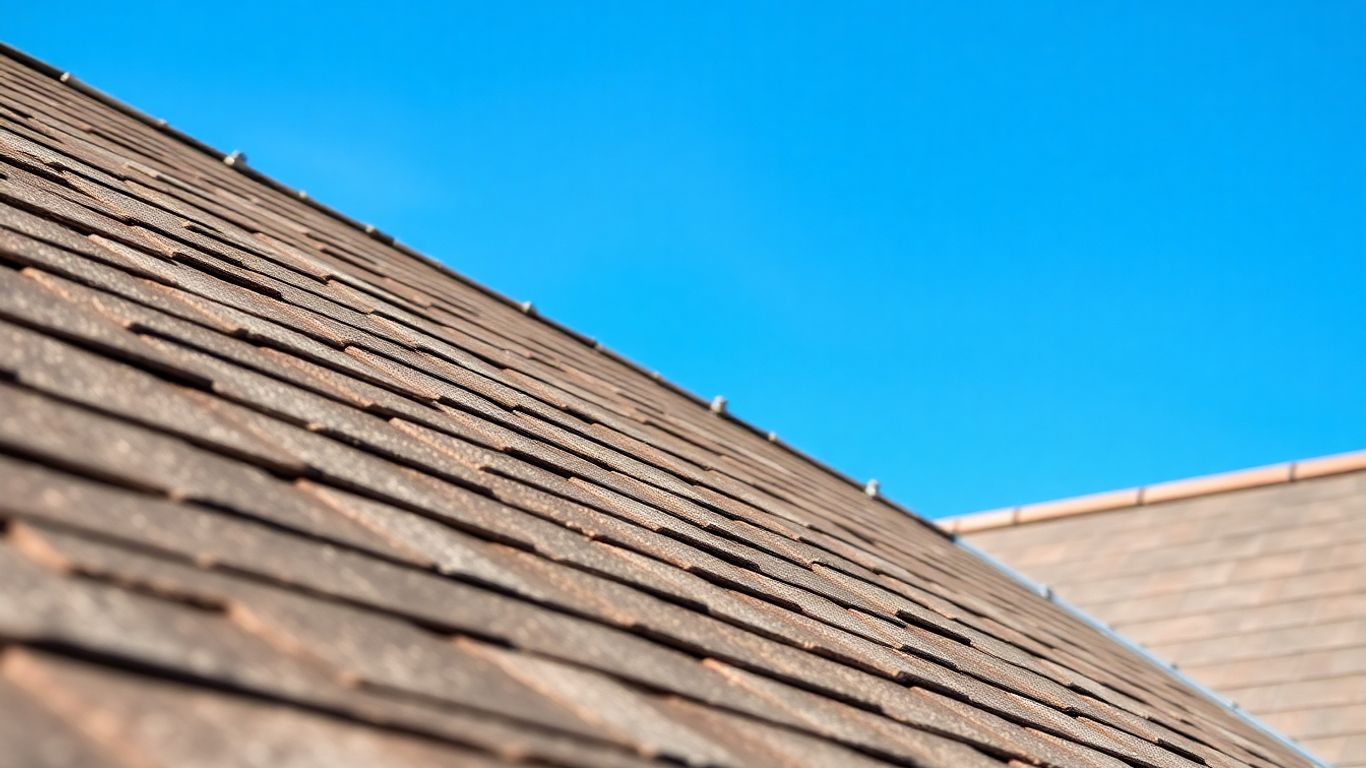
Before hurricane season really kicks into gear here in Orlando, it’s a smart move to get a good look at your roof. Think of it like a check-up for your house’s most important shield against the weather. A proactive inspection can save you a lot of headaches and money down the line.
Professional Roof Assessment Before Hurricane Season
It’s really best to have a qualified roofing contractor take a look. They’ve got the training and the safety gear to get up there and see what’s really going on. Trying to do it yourself without the right equipment can be pretty risky. These pros know what to look for, from the big picture down to the tiny details that could cause problems when the wind starts howling.
Key Inspection Points for Vulnerabilities
When the inspector is up on your roof, they’ll be checking a few key things. They’ll be looking for any shingles that are missing, loose, or just look worn out. These can easily become flying hazards or let water sneak in. Flashing around things like chimneys, vents, and skylights is also a big deal. The intense Florida sun can really wear down the sealant there, creating weak spots. Gutters and downspouts need attention too; they have to be securely attached and sloped correctly to handle all the rain. Clogged gutters are a recipe for disaster during a storm. They’ll also pay close attention to the edges of your roof, like the fascia and soffits, because that’s often where wind damage starts.
Addressing Loose Shingles and Damaged Flashing
Loose shingles are a pretty obvious problem. If you see any that are curling, cracked, or missing altogether, they need to be replaced. It’s not just about looks; it’s about keeping the elements out. Damaged or old flashing is another common issue. This metal trim seals the joints where different roof sections meet or where the roof meets a wall. If the sealant around it is cracked or the flashing itself is bent or rusted, water can get in. Getting these areas properly sealed or replaced is a top priority for making your roof storm-ready. For more on getting your roof ready, check out preparing your Florida roof.
A well-maintained roof is your first line of defense against the powerful storms that Central Florida can experience. Don’t wait for a storm warning to think about your roof’s condition; regular checks are key to preventing major damage and ensuring your home stays dry and secure.
Essential Roof Maintenance and Repairs
Once you’ve identified any weak spots on your roof, it’s time to get those repairs done. Prioritizing fixes that will help your roof stand up to hurricane winds is key. Think of it like getting your car ready for a long road trip – you want to make sure everything is solid before you hit the highway, or in this case, before a big storm rolls in.
When it comes to maintenance, replacing old, dried-out caulking around vents, chimneys, and where different roof materials meet is a really cost-effective move. Using a good quality, exterior-grade caulk made for Florida’s weather can make a big difference. Just be sure to apply it generously in those vulnerable spots.
Don’t forget about the trees around your house. Branches that are too close to your roof, say within ten feet, can become dangerous projectiles during high winds or even break off and fall onto your roof. It’s a good idea to trim them back. If you have any dead or sickly trees nearby, it’s best to have them removed by professionals before hurricane season really kicks off.
Here’s a quick rundown of what to focus on:
- Secure loose shingles: These are prime targets for wind to catch and rip off.
- Check flashing: Make sure the metal pieces around chimneys, vents, and skylights are still sealed and in good shape.
- Clear gutters and downspouts: Clogged gutters can cause water to back up and damage your roof and home.
- Inspect roof decking: While harder to see, signs of water damage in your attic might mean the underlying wood needs attention.
Taking care of these maintenance tasks proactively can save you a lot of headaches and money down the line. It’s about being prepared, not just reacting when damage has already occurred. Getting a professional opinion from a local Orlando roofing company can help you pinpoint exactly what needs attention.
If you’re looking for help with your roof, consider checking out Red Rhino Roofing services for your Orlando home.
Selecting Hurricane-Resistant Roofing Materials
When you’re thinking about your roof and what it can handle during a hurricane, the materials you choose really matter. Orlando gets some serious weather, so picking the right stuff for your roof isn’t just about looks; it’s about keeping your home safe.
Metal vs. Asphalt Shingles for Durability
Metal roofs are a solid choice for hurricane-prone areas. They’re built tough and can stand up to winds of around 140 miles per hour, which is pretty impressive. Plus, they tend to last a long time, often 50 years or more. This means fewer worries about constant repairs. They’re also less likely to get damaged by flying debris compared to some other options.
Asphalt shingles have come a long way, too. While traditional ones might not hold up as well, architectural shingles are a much better bet. They’re heavier and thicker than the basic kind, giving them more strength against wind and flying objects. You can find architectural shingles that are rated to handle winds up to 130 miles per hour.
Here’s a quick look at how they stack up:
| Roofing Material | Wind Resistance (approx.) | Lifespan (approx.) |
|---|---|---|
| Metal Roofs | Up to 140 mph | 50+ years |
| Architectural Shingles | Up to 130 mph | 20-30 years |
Benefits of Architectural Shingles
Architectural shingles are a step up from the standard three-tab kind. They’re made with more material, making them heavier and more robust. This extra weight and thickness give them better grip against strong winds and make them more resistant to damage from things flying around during a storm. They offer a good balance of protection and cost, and many homeowners find them a practical choice for Orlando’s climate.
Impact-Resistant Shingles for Enhanced Protection
If you want an extra layer of defense, look into impact-resistant shingles. These are designed to take a hit, often rated to withstand hail up to two inches in diameter and significant wind-blown debris. This means they’re much less likely to crack or break when something impacts them hard. Choosing shingles with a good impact rating can make a big difference in how well your roof holds up when the worst happens.
Picking the right roofing materials can also have financial perks. Some insurance companies offer discounts if your roof meets certain wind-resistance standards. It’s worth checking with your provider to see if upgrading your roof could save you money on your premiums.
Long-Term Roof Protection Strategies
Establishing a Regular Inspection Schedule
Think of your roof like your car; you wouldn’t wait for a breakdown to get it checked, right? The same goes for your roof, especially here in Orlando. Making it a habit to look over your roof regularly, maybe every few months, can catch small problems before they turn into big, expensive headaches. A quick visual check from the ground can spot missing shingles or debris. Then, at least once a year, it’s a good idea to have a professional roofing contractor give it a more thorough once-over. They know what to look for – things you might miss.
Implementing a Comprehensive Roof Maintenance Program
This is more than just occasional inspections. A good maintenance program means staying on top of things. It involves cleaning out gutters regularly so water can flow away properly, not pool on your roof. It also means addressing minor issues like cracked caulking around vents or loose flashing right away. Sometimes, it’s about proactively upgrading materials as they age. For instance, knowing when your asphalt shingles are nearing the end of their lifespan (typically 20-25 years) and planning for a replacement with something more durable, like architectural shingles or even metal, can save you a lot of trouble down the line.
| Roofing Material | Average Lifespan (Years) |
|---|---|
| Asphalt Shingles | 20 – 25 |
| Architectural Shingles | 30 – 50 |
| Metal | 40 – 70 |
| Tile | 50 – 100 |
Staying Informed on Building Code Updates
Building codes change, especially after major storms, as we learn what works and what doesn’t. Keeping up with these updates is smart. If you’re planning a roof replacement or even significant repairs, making sure the work meets the latest Florida Building Code standards can make a big difference. Not only does it mean your roof is built to better withstand high winds and heavy rain, but it can sometimes lead to discounts on your homeowner’s insurance. It’s worth checking with your local building department or your insurance agent about current requirements.
Proactive roof care isn’t just about surviving hurricane season; it’s about investing in the long-term health and safety of your home. Small, consistent efforts prevent major disasters.
Preparing Your Home for Hurricane Season
Hurricane season brings the potential for serious damage, and your roof is often the first line of defense. Getting your home ready means looking at more than just the shingles; it’s about the whole system working together to keep your family safe and dry. Taking proactive steps now can save you a lot of headaches and money later.
Understanding Hurricane Threats to Your Roof
Hurricanes aren’t just about wind. While those high winds, sometimes over 150 mph, can lift shingles and even entire sections of your roof, water is also a major enemy. Heavy rain can overwhelm your drainage system, leading to leaks, and flooding can cause structural issues. Plus, flying debris from strong winds can act like missiles, puncturing your roof and creating entry points for water. It’s a multi-pronged attack on your home.
Essential Roof Maintenance Tasks
Before the storms roll in, there are a few key things you should tackle. First, get a professional to look at your roof. They can spot loose shingles, check the flashing around chimneys and vents, and make sure your gutters are clear and securely attached. Clogged gutters can cause water to back up and seep under your shingles, which is never good. You’ll also want to trim any tree branches that hang over your roof. A falling limb can do a lot of damage, and it’s better to remove the risk before a storm hits.
- Inspect and secure flashing: This metal trim seals joints and edges. If it’s loose, wind can get underneath and lift it.
- Clear gutters and downspouts: Ensure water can flow freely away from your home.
- Trim overhanging branches: Remove potential projectiles that could hit your roof.
- Check roof-mounted equipment: Make sure things like satellite dishes or solar panels are firmly anchored.
Preparing your roof isn’t just about fixing what’s broken; it’s about reinforcing weak spots and making sure everything is as secure as possible against extreme weather.
Emergency Supply Preparation
Beyond the roof itself, having a plan and supplies ready is vital. Think about what you’ll need if the power goes out or if you have to shelter in place. A basic emergency kit should include water, non-perishable food, a first-aid kit, flashlights, and batteries. It’s also smart to have some basic tools and materials on hand, like tarps and plywood, just in case minor storm damage occurs and you need to make a temporary fix. Having a plan for communication with your family and knowing your evacuation routes are also important parts of being ready. You can find a great checklist for these supplies at your local Emergency Operations Center.
Get your home ready for hurricane season! Simple steps can make a big difference in keeping your family safe. Learn how to prepare your house for strong winds and heavy rain. Visit our website today for a complete checklist and expert tips to protect your home.
Stay Prepared, Stay Safe
So, we’ve gone over a lot of stuff about getting your roof ready for hurricane season here in Orlando. It might seem like a lot, but really, it boils down to a few key things: check your roof regularly, fix any small problems before they get big, and think about using tougher materials if you’re replacing it. Taking these steps now can save you a huge headache, and a lot of money, when a storm rolls in. Don’t wait until the last minute; getting ahead of it is the best way to protect your home and your family. Stay informed, stay prepared, and hopefully, we’ll all get through this season without too much trouble.
Frequently Asked Questions
When is hurricane season in Orlando?
Hurricane season in Orlando officially runs from June 1st to November 30th each year. It’s important to start preparing your roof well before the season officially begins, as storms can form unexpectedly.
What are the most common ways a hurricane can damage a roof?
Hurricanes can damage roofs through extremely strong winds that can lift shingles or even entire sections of the roof. Heavy rain can cause leaks, and flying debris acts like projectiles, puncturing or breaking roofing materials. The pressure difference between the inside and outside of your home during a storm can also pull the roof off.
How often should I have my roof inspected?
It’s a good idea to have your roof inspected at least once a year, and especially before hurricane season starts. If you live in an area prone to severe weather, more frequent checks, maybe even quarterly visual checks, can help catch small problems before they become big ones.
Are metal roofs or asphalt shingles better for hurricane protection?
Both have pros and cons. Metal roofs generally last longer and can withstand higher winds, often up to 140 mph or more. Asphalt shingles are usually more affordable upfront and can handle winds up to 130 mph, especially stronger architectural shingles. The best choice depends on your budget and specific needs.
What simple maintenance can I do myself to prepare my roof?
You can check for and replace any loose or missing shingles. Also, make sure the caulking around vents and flashing is in good shape and seals tightly. Keeping gutters clean and ensuring they are securely attached is also important for proper water drainage.
Why is tree maintenance important for roof safety during hurricanes?
Branches that hang over your roof can break off in high winds and smash into your roof, causing damage. They can also fall onto the roof if they become too heavy from rain. Trimming branches that are close to your roof, especially those on dead or weak trees, is a crucial step in preventing storm damage.