

Thinking about your roof might not be the most exciting thing, but it’s pretty important, especially here in Winter Park. You know, with the weather we get, keeping an eye on your roof can save you a lot of hassle and money down the road. I’ve put together a simple guide to help you do a basic roof inspection yourself. It’s not about becoming a roofing expert, just about spotting anything that looks a bit off before it turns into a bigger problem. Let’s get started on this roof inspection Winter Park guide.
Key Takeaways
- Regularly check your shingles for cracks, missing granules, or curling from the ground level.
- Make sure your gutters and downspouts are clear of leaves and debris to prevent water backup.
- Inspect flashing around chimneys and vents for any signs of damage or loose seals.
- Look inside your home for water stains, mold, or peeling paint, which can indicate roof leaks.
- Consider your roof’s age, local weather patterns, and tree cover when scheduling inspections.
Essential Winter Park Roof Inspection Steps
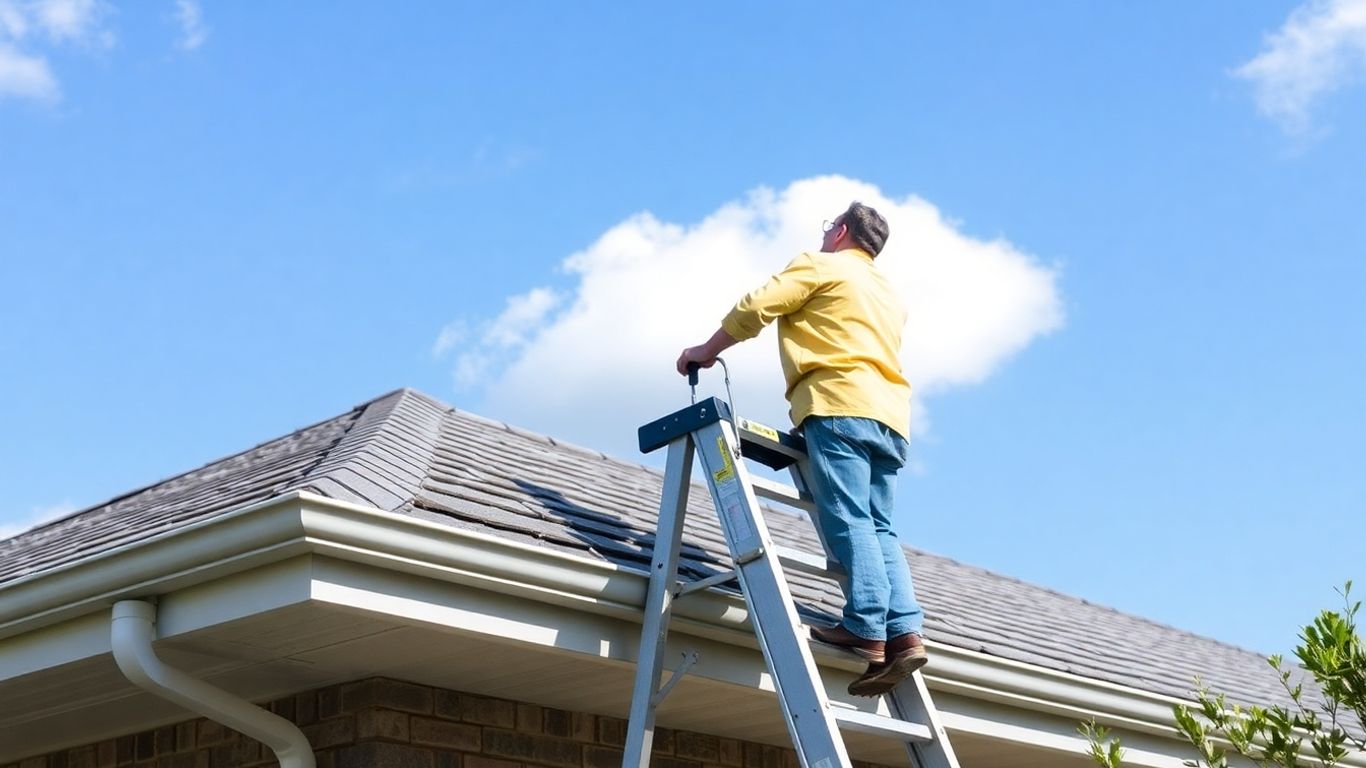
Getting up on the roof might seem a bit much, but a quick look around can save you a lot of headaches later. Think of it like checking your car’s oil before a long trip. You want to catch small problems before they turn into big, expensive ones, especially with Florida’s weather.
Check Shingles for Damage
Start by looking at your shingles from the ground. See any that are cracked, have lost their little gritty bits (granules), or are curling up at the edges? Those are signs your roof is getting tired. If you can safely get a closer look, check for any that are completely missing. Missing shingles are like open doors for rain.
Inspect Gutters and Downspouts
Your gutters and downspouts are super important for moving water away from your house. Make sure they’re not full of leaves, twigs, or whatever else has blown up there. Clogged gutters can make water pool up, which can damage your roof and even your foundation. Also, check if the downspouts are actually directing water away from your home, at least a few feet out. You don’t want water sitting around your foundation.
Examine Flashing and Seals
Flashing is that metal stuff you see around chimneys, vents, and skylights. It’s there to keep water out of those tricky spots. Give it a good look. Is it rusted, cracked, or loose? Are the seals around these areas still good? If you see any gaps or damage, it’s a good idea to get that fixed. This is a common place for leaks to start, and you can find more info on roofing services if you need help.
Small issues with flashing or a few loose shingles might not seem like a big deal now, but they can lead to serious water damage inside your home if left unchecked, especially after a heavy rain or wind event.
Understanding Your Roof’s Vulnerabilities
Your roof isn’t just a static cover; it’s a dynamic shield constantly battling the elements. Knowing what makes it susceptible to damage is key to keeping your home protected. Several factors can weaken your roof over time, making it more prone to leaks and structural issues.
Assess Roof Age and Material
The lifespan of a roof depends heavily on its age and the materials used. As roofs get older, they naturally become more brittle and less effective at repelling water. Different materials also have varying durability. For instance, asphalt shingles might last 15-30 years, while metal roofs can endure 40-70 years or more. Knowing your roof’s age and material helps you anticipate when it might need attention. An aging roof is one of your home’s biggest vulnerabilities.
Consider Local Weather Impact
Winter Park’s climate, with its intense sun, heavy rains, and occasional strong winds, puts a unique strain on roofing systems. Intense UV rays can degrade shingles, causing them to crack and lose granules. Heavy rainfall, especially when combined with poor drainage, can lead to water pooling and seeping into the structure. High winds can lift shingles, creating openings for water entry. Being aware of how these weather patterns affect your specific roof type is important for proactive maintenance. You can find more information on protecting your property in Central Florida with a sound roof at Red Rhino Roofing.
Evaluate Tree Cover Influence
Trees around your home can be beautiful, but they also pose risks to your roof. Overhanging branches can drop leaves and debris into gutters and valleys, causing blockages that lead to water backup. In storms, falling branches can cause significant damage, puncturing shingles or even compromising the roof structure. Moss and algae can also grow in shaded, damp areas, trapping moisture and accelerating material breakdown. Regularly clearing debris and trimming back branches that hang directly over your roof can prevent many common issues.
Keeping an eye on these vulnerabilities allows you to address potential problems before they turn into costly repairs. It’s about being proactive rather than reactive when it comes to your home’s protection.
Interior Signs of Roof Issues
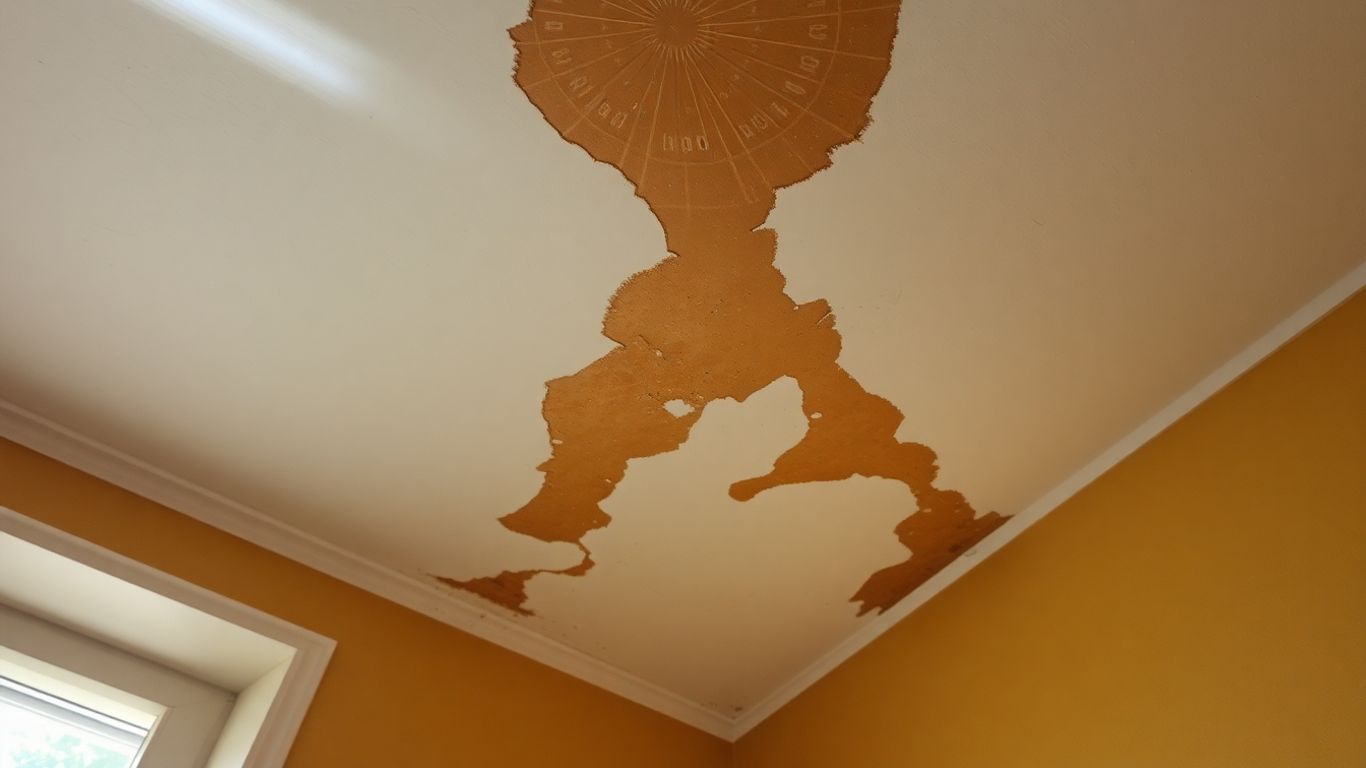
Sometimes, the first clue that your roof isn’t doing so hot isn’t visible from the street. You’ve got to look inside your house for the real tell-tale signs. It’s like your house is trying to whisper to you that something’s up.
Look for Interior Leaks
Water stains on your ceiling or walls are a pretty big giveaway. Even a small, faint discoloration could mean water is slowly making its way in. You might also notice peeling paint or wallpaper in spots where moisture has been sitting. If you see any of these, try to pinpoint where the water might be coming from. It’s often directly above the stain, but not always. Sometimes water can travel a bit before it shows itself.
Identify Mold and Mildew Growth
That musty smell you sometimes get in the attic or even in a closet? That’s often mold or mildew, and it’s a sign of excess moisture. This usually happens when there’s a leak that’s gone unnoticed for a while, creating a damp environment. Check the underside of your roof decking in the attic, especially in corners or areas that don’t get much airflow. If you spot any fuzzy patches of black, green, or white, that’s a problem that needs attention. Addressing mold quickly is important for your home’s air quality and to stop it from spreading further.
Check Ceilings for Stains
When you’re doing your interior check, make it a point to really look at your ceilings. Grab a flashlight and scan them carefully, especially after a heavy rain. Look for any discoloration, sagging drywall, or even drips. Sometimes, the stains are faint yellow or brown. If you find any marks, try to figure out if they’re new or old. It’s also a good idea to check the attic floor and insulation for any damp spots, as this can give you a better idea of where the leak originates. Addressing these interior signs promptly can help prevent more serious structural damage and keep your home dry and healthy. For more on keeping your roof in good shape, you can check out roofing services in Oviedo.
Don’t ignore those little water spots. They’re your roof’s way of telling you it needs some attention before a small issue becomes a big, expensive headache.
Exterior Roof Maintenance Checks
When you’re doing your own roof check, there are a few spots on the outside of your house that really need your attention. These are the places where water likes to sneak in if things aren’t quite right.
Inspect Around Chimneys and Vents
Think of chimneys, vent pipes, and skylights as holes in your roof. They’re necessary, but they’re also weak points. You need to check the metal flashing that goes around them. Look for any rust, cracks, or loose bits. The sealant or caulk used to seal these areas can also dry out and crack over time. If you see any gaps or damage here, it’s a good idea to patch it up with some roofing cement or a good quality sealant. This is one of the most common places for leaks to start.
Examine Roof Ventilation
Proper airflow in your attic is super important for your roof’s health. It helps keep things from getting too hot or too damp. Check your attic vents – are they blocked by leaves, insulation, or anything else? Blocked vents can lead to moisture buildup, which can cause rot and mold. Good ventilation helps your roof last longer and can even save you money on energy bills.
Look for Sagging or Structural Issues
From the ground, or if you can safely get on your roof, look for any areas that seem to be dipping or sagging. This could mean there’s water damage or a problem with the roof’s structure underneath. It’s also worth keeping an eye out for any loose or missing shingles, especially after a strong wind. If you notice anything that looks off, it’s probably best to get a professional to take a look.
Preparing Your Roof for Winter Park’s Climate
Winter Park can throw some serious weather at us, and your roof takes the brunt of it. Getting it ready before the cold really sets in is a smart move. It’s not just about avoiding leaks; it’s about protecting your whole house from what the season brings.
Pre-Season Roof Inspection Importance
Think of a pre-season inspection as a check-up for your roof. You want to catch any little problems before they turn into big, expensive headaches. This means looking for things like shingles that are lifting or cracked, or checking the seals around vents and chimneys. Addressing these small issues now can save you a lot of trouble and money down the road. It’s a proactive step that helps keep your home safe and sound. A well-maintained roof is a big asset, especially with Colorado’s weather.
Address Potential Leaks and Water Damage
Water is the enemy when it comes to your roof, especially when it freezes and thaws. You need to make sure there are no places for water to get in. This includes checking for any signs of past leaks inside your home, like water stains on ceilings or walls. On the outside, pay close attention to areas where water might collect or seep in, like around flashing or in roof valleys. Clearing out gutters and downspouts is also key to letting water drain away properly, preventing ice dams from forming.
Trim Overhanging Branches
Trees are nice, but branches hanging over your roof can be a problem, particularly in winter. Heavy snow or ice can weigh them down, causing them to break and fall onto your roof, which can cause damage. Also, falling branches can block gutters and downspouts. It’s a good idea to trim back any branches that are too close to your roof. This simple step can prevent a lot of potential damage and keep your roof clear of debris.
DIY Roof Inspection Best Practices
Doing your own roof check-up is a smart move, but doing it the right way makes all the difference. It’s not just about looking; it’s about being safe and organized. Think of it like this: you wouldn’t try to fix a leaky faucet without the right tools, right? Same idea here. Getting familiar with your roof’s condition can save you a lot of headaches and money down the road.
Document Findings with Photos
When you’re up there, or even looking from the ground with binoculars, snap pictures of anything that looks off. A cracked shingle, a bit of rust on the flashing, or even just a collection of leaves in the gutter – get a photo. This visual record is super helpful. It gives you something concrete to show a professional roofer or even your insurance company if you need to file a claim. It’s way better than trying to describe a small detail you saw weeks ago.
Utilize a Buddy System for Safety
Safety first, always. If you plan on getting up on a ladder for a closer look, never do it alone. Have a friend or family member there to hold the ladder steady. They can also be your eyes on the ground, spotting things you might miss while you’re focused on a specific area. Plus, if anything unexpected happens, having someone else around is a big help.
Schedule Inspections After Severe Weather
Winter Park can get some wild weather, and that’s exactly when your roof takes a beating. After a big storm with high winds, heavy rain, or even hail, it’s a good idea to do a quick inspection. This is when damage is most likely to occur or worsen. Checking your roof after these events, and at least once a year, helps you catch problems early. For example, if you notice missing shingles or debris accumulation, it’s time to investigate. You can find reliable roof inspections in St. Cloud, FL, if you need professional help after a storm roof inspections in St. Cloud, FL.
Keeping a log of your inspections, including dates and any issues found, is a great habit. This documentation can be really useful when it’s time to sell your house or if you need to make a warranty claim.
Keeping your roof in good shape is important, and doing a quick check yourself can help you spot problems early. Look for things like missing shingles, cracks, or any spots that seem soft or damaged. It’s a simple way to protect your home. Want to learn more about how to do a great job? Visit our website for more tips!
Wrapping Up Your Roof Check
So, you’ve gone through the steps, checked the shingles, cleared the gutters, and maybe even peeked into the attic. Doing this yourself is a smart move to catch small problems before they turn into big, expensive headaches. Remember, your roof works hard to protect your home, especially here in Winter Park with our changing weather. A little bit of your time spent on these checks can really make a difference in keeping your house safe and sound. If you found anything concerning or just want an expert opinion, don’t hesitate to call a professional. They can spot things you might miss and give you real peace of mind.
Frequently Asked Questions
How often should I check my roof?
It’s a good idea to look over your roof at least once a year. Also, give it a good inspection after any really bad weather, like strong winds or heavy rain, to make sure nothing got damaged.
What are the first things I should look for on my roof?
Start by checking the shingles from the ground. Look for any that are cracked, missing their tiny bits (granules), or curling up. Also, make sure your gutters and downspouts are clear of leaves and twigs, as clogged ones can cause water problems.
What if I see water stains inside my house?
Water stains on your ceiling or walls, especially near chimneys or vents, are a big sign that your roof might be leaking. It’s important to check the flashing and seals around these areas on your roof for any damage.
How does the weather in Winter Park affect my roof?
Winter Park can get a variety of weather. Strong winds can lift shingles, and heavy snow can add weight. It’s important to check for damage after storms and make sure your roof is ready for any weather changes.
Are trees near my house a problem for my roof?
Yes, trees can be a concern. Branches might fall and damage your roof, and leaves can clog up your gutters. It’s smart to trim branches that hang over your roof and keep your gutters clean.
Is it safe for me to climb on my roof to inspect it?
While you can do a lot from the ground, if you need a closer look, always have a friend with you. Have them hold the ladder steady and be there in case of any accidents. Safety first!