
Lots of folks in Florida think our roofs don’t need much attention when it comes to cold weather. We’re not exactly known for blizzards, right? But even our sunny state can get a bit chilly sometimes, and those temperature dips can actually cause problems for your roof if you’re not careful. It’s easy to get caught up in thinking only about hurricanes and summer heat, but a little proactive care, especially when it comes to roof maintenance Orlando, can save you a lot of headaches down the road. Let’s clear up some of the confusion about what Florida roofs really need.
Key Takeaways
- Florida’s weather, while mostly warm, can still bring cold snaps that stress roofing materials through expansion and contraction, potentially causing cracks or loose components.
- Different roofing materials react differently to temperature changes; asphalt can become brittle, metal expands, and tiles might crack if moisture gets into small fissures.
- Regular roof maintenance, including inspections and addressing minor damage quickly, is vital for preventing small issues from becoming costly problems, regardless of the season.
- Protecting your roof involves more than just storm prep; it includes securing vents, reinforcing joints, and understanding that even minor temperature fluctuations can impact roof integrity.
- When in doubt about your roof’s condition or potential cold-related damage, it’s always best to consult a professional roofer familiar with Florida’s unique climate.
Debunking Cold Weather Myths for Orlando Roofs
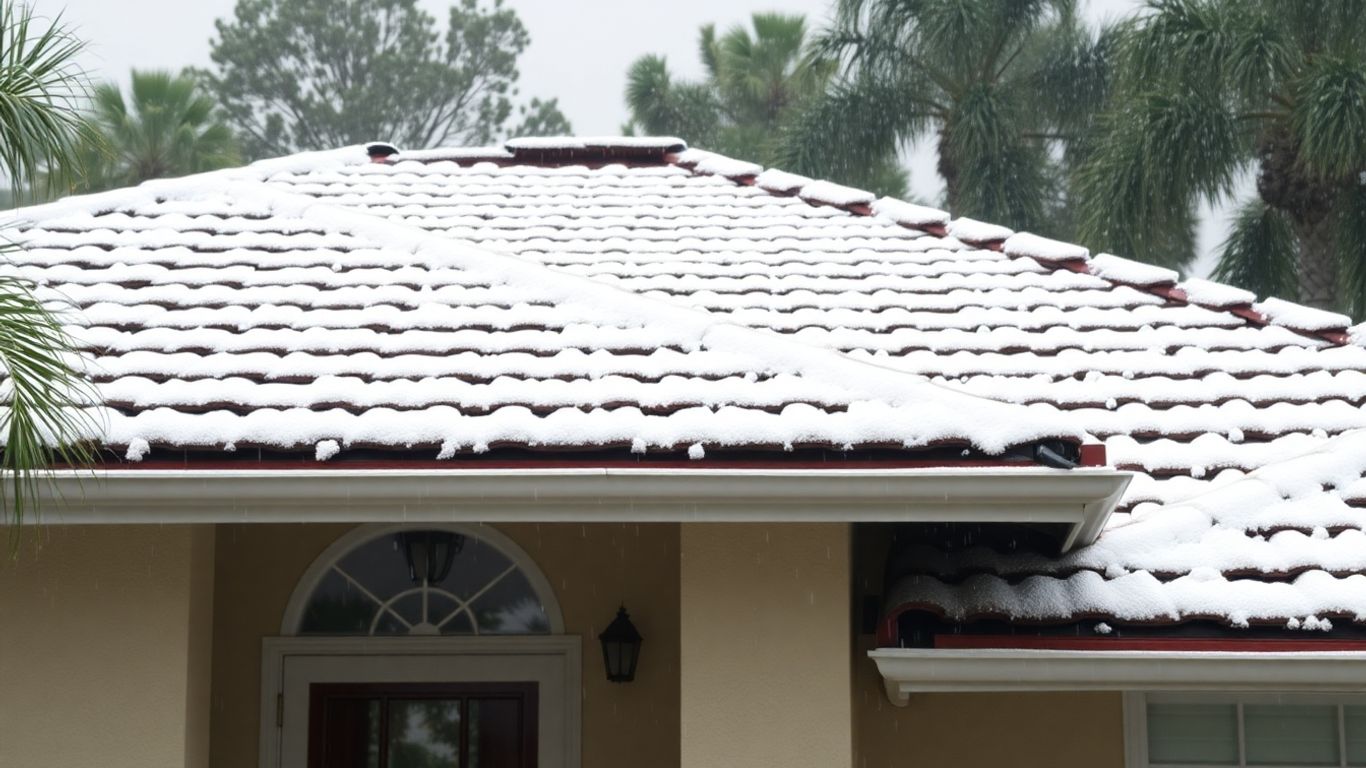
Many folks in Orlando think that because we don’t get snow or ice like up north, our roofs are pretty much safe from cold weather issues. That’s a common misconception, and it’s not entirely true. While we’re not dealing with blizzards, Florida does experience cold snaps, and these can still put a strain on your roof.
Florida’s Unexpected Cold Snaps
It’s easy to forget that Florida isn’t always sunshine and 80-degree days. We get those chilly fronts that can drop temperatures significantly, sometimes even below freezing for a short period. These sudden drops can be a shock to roofing materials that are used to constant warmth. Think about it: a roof that’s been sitting in the sun all day can get pretty warm, and then suddenly, the temperature plummets. This expansion and contraction cycle, even if it’s just a few degrees, can weaken shingles or cause small cracks over time. It’s not about the snow; it’s about the temperature swings.
The Impact of Temperature Fluctuations
These temperature changes are the real culprits. When materials heat up, they expand, and when they cool down, they contract. Doing this repeatedly can stress the bonds holding your roof together. Imagine bending a paperclip back and forth; eventually, it breaks. Your roof materials can experience a similar kind of stress. This is why it’s important to keep an eye on your roof even when you think the weather is mild. A small crack from a cold night might not seem like a big deal, but it can let in moisture, which then freezes and expands, making the crack worse. This is how minor issues can turn into major problems, especially if you’re not aware of them. Some parts of southern Florida could even see significant flooding within decades, which adds another layer of concern for homeowners [599c].
Why Winter Roof Maintenance Matters
Even a mild winter in Florida requires some attention to your roof. Regular inspections are key. You might want to schedule one just before the cooler months arrive. It’s also a good idea to keep your gutters clean. When gutters get clogged, water can back up and seep under your shingles. If the temperature drops, that trapped water can freeze and expand, causing damage. Here are a few things to consider:
- Trim Nearby Trees: Branches rubbing against your roof can wear down shingles.
- Clean Gutters: Prevent water backup and potential ice damage.
- Address Minor Damage: Fix loose shingles or flashing right away.
Don’t wait for a major leak to call a professional. Small problems can become big, expensive headaches if ignored, especially when the weather changes unexpectedly.
It’s also wise to have a basic emergency roof repair kit on hand, just in case. Things like tarps and nails can help you temporarily cover a small issue until a professional can get to it. While we don’t often think about it, preparing for those rare freezes and cold snaps is just as important as getting ready for hurricane season.
Understanding Roof Material Performance in Varying Temperatures
Florida might not get blizzards, but our weather can still throw some curveballs. We see temperature swings, and even though it’s usually warm, those cooler nights can affect your roof. It’s not just about the heat; it’s about how different materials react when things change.
Asphalt Shingles and Cold Sensitivity
Asphalt shingles are super common here, and for good reason – they’re pretty affordable and handle our usual rain and sun okay. But, when temperatures drop, even a little, asphalt can get brittle. Think of it like a plastic toy left out in the cold; it’s more likely to crack if something hits it, like a falling branch or even hail. Plus, those back-and-forth temperature changes, like a warm afternoon followed by a cool evening, can make shingles curl or loosen up over time. This constant movement puts stress on the shingles and their fasteners.
Metal Roofs: Durability and Expansion
Metal roofs are becoming more popular, and they’re generally tough. They tend to handle temperature changes pretty well because the whole sheet expands and contracts together. This is usually better than individual pieces moving around. However, if the metal isn’t put on right, or if there aren’t enough spots designed to allow for this movement, the panels can warp or buckle. It’s important to have a good installation to avoid issues down the line. A well-installed metal roof can be a great choice for Florida’s climate.
Tile and Flat Roofs: Vulnerabilities to Consider
Tile roofs, whether they’re clay or concrete, are a classic Florida look. They stand up to heat really well. The main concern with tiles is their weight and the potential for cracking. If water gets into tiny existing cracks and then the temperature drops, that water can freeze and expand, making the crack bigger. It’s not super common here, but it can happen. Flat or low-slope roofs, which you might see on some commercial buildings or certain homes, have their own issues. The biggest problem is water drainage. If water sits on the roof and then a cold snap hits, you get that freeze-thaw cycle, which can weaken the roof surface over time. Making sure water can get off the roof quickly is key for these types.
Different parts of your roof expand and contract at different rates when the temperature changes. This constant, tiny movement can stress the areas where materials meet, like seams or where flashing is installed. Over years, this can lead to small gaps where water can eventually get in, causing hidden damage like rot or mold before you even see a leak.
Here’s a quick look at how common materials might react:
- Asphalt Shingles: Can become brittle in cold, leading to cracks. Repeated temperature swings can cause curling or loosening.
- Metal Roofs: Generally good, but improper installation can lead to warping or buckling due to expansion/contraction.
- Tile Roofs: Heavy and can crack if water gets into small fissures and freezes, causing expansion.
- Flat Roofs: Drainage is key; pooling water that freezes can cause damage.
It’s always a good idea to get a professional opinion on what works best for your specific home. Companies like Red Rhino Roofing can help assess your current roof and recommend the best materials for our Florida weather.
Proactive Steps for Orlando Roof Maintenance
Keeping your roof in good shape isn’t just about waiting for a storm to hit. A little regular attention can prevent a lot of headaches down the road, especially here in Florida where the weather can change on a dime. Think of it like taking care of your car; regular check-ups save you from major breakdowns.
The Importance of Regular Inspections
It’s easy to forget about the roof once it’s up there, but it’s constantly working to protect your home. Scheduling at least one professional inspection each year is a smart move. You might even consider a second one before the cooler months really kick in, just to be safe. These inspections aren’t just about looking for obvious problems like missing shingles. A trained eye can spot subtle issues, like small cracks in the sealant around vents or nail pops that could let water in.
- Check the attic: Look for any water stains, damp spots, or signs of mold on the underside of the roof or insulation. A musty smell is also a big clue.
- Inspect from the ground: Walk around your house and look for any sagging areas, loose or missing shingles, or debris that might have collected.
- Examine gutters: Make sure they are clear of leaves and debris. Clogged gutters can cause water to back up onto the roof, which is never good.
Don’t underestimate the power of a simple visual check. Sometimes, the smallest issues are the ones that can cause the most damage if ignored.
Addressing Minor Damage Promptly
This is a big one. That single missing shingle or tiny crack you noticed? It might seem small now, but water is persistent. During heavy rain, even a small opening can let a surprising amount of water into your attic or walls. This can lead to stained ceilings, damaged insulation, and even structural problems over time. Tackling these minor repairs as soon as you spot them is key to preventing bigger, more expensive issues later. It’s also a good idea to give your roof a quick look-over after any unusually strong storm, just in case.
Benefits of Preventive Care
Some people see roof maintenance as just another expense, but it’s really an investment. Just like changing your car’s oil keeps the engine running smoothly, regular roof care extends the life of your roofing materials. This means you can delay a full roof replacement, saving you a significant amount of money in the long run. Plus, a well-maintained roof helps prevent energy loss, keeping your home more comfortable and potentially lowering your utility bills. It also makes your home more attractive to potential buyers if you ever decide to sell. A solid roof history can be a major selling point, showing you’ve taken good care of the property. Proper attic ventilation is also a key part of this, helping to manage moisture and temperature within your home, which you can learn more about by checking out proper attic ventilation.
Protecting Your Roof from Florida’s Elements
Your roof is the primary shield for your home, and in Florida, it faces a unique set of challenges. While we might not get blizzards, our intense sun, heavy rains, and the ever-present threat of hurricanes mean our roofs work overtime. It’s not just about the big storms, either; even everyday weather can take its toll if your roof isn’t properly maintained.
Hurricane-Proofing Your Roof
When we talk about hurricane-proofing, it’s about making sure your roof can withstand extreme wind and rain. This involves more than just meeting basic building codes. It means looking at the materials used, how they’re fastened, and the overall structural integrity. For instance, certain types of vents are designed to resist wind-driven rain, which can be a major issue during a storm. Upgrading these can make a big difference. Also, consider reinforcing vulnerable areas like roof deck joints with specialized tape or strips. This creates a secondary water barrier, offering extra protection if the main roofing material is compromised.
Securing Your Roof Before Storms
Preparation is key when a storm is on the horizon. This means doing a thorough inspection well before hurricane season officially kicks off. You want to catch any loose shingles, damaged flashing, or clogged gutters early. Clearing debris from your roof and gutters is a simple but effective step. If you have trees with branches hanging over your roof, trim them back. A falling branch can cause significant damage, especially in high winds. For homeowners, having a plan and knowing when to call a professional for urgent roof repairs can save a lot of stress and potential damage.
The Role of Flashing and Vents
Flashing and vents are often overlooked, but they play a vital role in your roof’s performance, especially during severe weather. Flashing, typically made of metal, is used around areas where the roof is penetrated, like chimneys, skylights, and vent pipes. Its job is to direct water away from these vulnerable spots. If flashing is loose, cracked, or corroded, water can seep into your home. Similarly, roof vents are crucial for attic ventilation, but during a storm, they can become entry points for wind-driven rain. Choosing vents specifically designed to handle heavy rain and high winds can provide an extra layer of defense. Making sure these components are in good condition and properly installed is a smart move for any Florida homeowner.
When to Call a Professional for Roof Care
Sometimes, you can spot a problem with your roof just by looking around your house. Maybe you see a shingle that’s come loose, or perhaps there’s a water stain on the ceiling. These are clear signs that something needs attention. But what about the issues you can’t see? That’s where knowing when to bring in the pros really matters.
Recognizing Signs of Roof Distress
It’s easy to ignore small things, but a roof is a complex system, and little problems can quickly turn into big, expensive ones. Think of it like this: a tiny crack in a windshield can spread across the whole thing if you don’t get it fixed. Your roof is similar.
Here are some things to look out for:
- Water Stains: Check your attic or the highest ceilings inside your home. Any discoloration, streaks, or damp spots are a big red flag.
- Musty Smells: If your attic smells damp or moldy, it’s a sign that moisture is building up somewhere, possibly due to a slow leak.
- Loose or Missing Shingles: If you see shingles on the ground after a storm or notice bare spots on your roof, it’s time to call someone.
- Sagging Areas: A roof that looks like it’s dipping or sagging in certain spots is a serious structural concern.
Even if you don’t see obvious leaks, persistent dampness in the attic or around vents can indicate a problem that needs professional assessment before it causes more damage.
DIY Checks vs. Professional Inspections
You can certainly do a walk-around of your property and look for obvious issues. Checking your gutters for blockages or peering up at the roofline from the ground is a good start. However, a professional roofer brings a level of detail and safety that a homeowner just can’t match. They have the equipment and the training to get onto the roof safely and inspect areas you can’t reach. They can spot subtle signs of wear, check the integrity of flashing around chimneys and vents, and assess the condition of seals that might be failing. Getting a professional roof inspection can give you a clear picture of your roof’s health, helping you plan for any necessary work before it becomes an emergency. It’s a smart way to stay ahead of potential problems, especially if you’re looking to get a free inspection and estimate.
Choosing the Right Contractor
When you do decide to call in the experts, picking the right contractor is key. You want someone who is licensed, insured, and has good reviews. Don’t be afraid to ask questions about their experience, especially with the types of roofing materials you have. A good contractor will be transparent about the work needed and provide a clear estimate. They should also be able to explain what they found and why certain repairs are necessary. Remember, a well-maintained roof is an investment in your home’s safety and value.
Maximizing Your Roof’s Lifespan and Value
Investing in Quality Roofing Materials
When it’s time to think about a new roof, or even just repairs, picking the right materials makes a big difference. It’s not just about how it looks; it’s about how it holds up over time, especially here in Florida with our intense sun and sudden storms. Cheaper materials might seem like a good deal now, but they often wear out faster, leading to more frequent repairs and a shorter overall lifespan for your roof. Think of it like buying shoes – a well-made pair lasts much longer than a cheap knock-off. For Central Florida homeowners, materials like high-quality asphalt shingles or durable metal roofing can be a smart investment. Even tile roofs, known for their longevity and classic look, require careful consideration of the specific type and installation quality to get the most out of them. Choosing materials designed for our climate means less worry about leaks and damage down the road.
The Long-Term Value of Maintenance
It’s easy to put off roof maintenance, especially when things seem okay. But just like changing the oil in your car prevents bigger engine problems, regular roof upkeep stops small issues from becoming costly disasters. Ignoring minor problems, like a few loose shingles or some cracked sealant, can lead to water intrusion. This water can then damage your attic, insulation, and even the structural beams of your home. Addressing these small fixes promptly is much cheaper than dealing with widespread rot or mold later. A consistent maintenance schedule helps your roof perform better, last longer, and keep your energy bills lower by preventing air leaks.
Here’s a look at what regular maintenance can cover:
- Debris Removal: Clearing leaves, branches, and other debris prevents them from holding moisture against your shingles or blocking drainage.
- Shingle Check: Looking for cracked, curled, or missing shingles and replacing them promptly.
- Flashing Inspection: Ensuring the metal pieces around chimneys, vents, and skylights are secure and sealed to prevent water entry.
- Gutter Cleaning: Keeping gutters clear allows rainwater to flow away from your home, preventing water buildup around the foundation.
Proactive care is key. Small, regular checks and fixes can prevent major, expensive repairs and keep your roof in good shape for years to come.
Enhancing Home Resale Value
A well-maintained roof isn’t just good for your peace of mind; it’s also a major selling point when you decide to sell your home. Potential buyers often see the roof as a significant investment, and a roof that looks good and has a history of regular maintenance can significantly boost your home’s curb appeal and perceived value. It signals to buyers that the home has been well cared for, reducing their perceived risk and potentially leading to a quicker sale and a higher offer. If you’re considering selling in the future, keeping your roof in top condition is a smart financial move. For homeowners with tile roofs, ensuring they are properly installed and maintained can add significant appeal, and finding a reputable company for tile roof replacement can be a worthwhile investment.
Want to make your roof last longer and be worth more? Taking good care of your roof is super important. Simple steps can really help it stay strong for years. Ready to learn how to boost your roof’s life and value? Visit our website today for expert tips and services!
So, What’s the Takeaway?
Look, Florida might not get blizzards, but that doesn’t mean our roofs are totally off the hook when it comes to cold weather. Those temperature swings we get, even if they’re not freezing, can still mess with your shingles or cause other small issues if your roof isn’t in top shape. It’s really about staying ahead of things. Regular check-ups, keeping those gutters clear, and fixing little problems before they get big are the real keys. Don’t just assume because it’s Florida, your roof is invincible to anything but a hurricane. A little bit of care throughout the year will save you a lot of headaches, and probably some cash, down the road.
Frequently Asked Questions
Does Florida’s weather really affect my roof?
Yes, even though Florida doesn’t get harsh winters, sudden temperature changes can still stress your roof. When it gets warm during the day and then cools down quickly at night, roof materials can expand and contract. This can lead to small cracks or make shingles loose over time.
What’s the biggest myth about Florida roofs and cold weather?
The biggest myth is that because Florida is usually warm, roofs don’t need to worry about cold weather at all. While we don’t see snow often, cold snaps can still cause damage, especially if your roof already has small issues or wasn’t put on perfectly.
How often should I check my roof?
It’s a good idea to have your roof checked by a professional at least once a year. You might also want to do a quick look yourself after big storms to spot any obvious problems like missing shingles.
What should I do if I see a small problem with my roof?
Don’t wait for a small issue, like a loose shingle or a tiny leak, to become a big problem. Fix it right away. Small issues can let water in, causing more damage, especially during rainy periods.
Are metal roofs good for Florida’s weather?
Metal roofs are generally very durable and handle temperature changes well because they expand and contract as one piece. They are also great for coastal areas and can last a long time with little upkeep.
When is it time to call a professional roofer?
If you’re not sure how to fix a roof problem, or if you see signs like water stains on your ceiling or hear strange noises during windy weather, it’s time to call a pro. It’s better to get expert advice early than to risk a costly repair later.