
Many Florida homeowners think their roofs are safe from winter weather because we don’t get snow like up north. But even a mild cold snap can cause trouble for your roof if it’s not in good shape. Thinking your roof is invincible is a common mistake. We’re going to look at some of these myths and talk about what really matters for keeping your roof in good shape, especially here in Orlando. Good roof maintenance Orlando is key, no matter the season.
Key Takeaways
- Florida’s climate, while warm, still sees temperature swings that can stress roofing materials, leading to cracks and leaks.
- Regular roof maintenance in Orlando, including inspections and cleaning gutters, is important year-round, not just during hurricane season.
- Ignoring small roof issues like minor leaks or loose shingles can lead to much bigger, more expensive problems down the line.
- Not all shingles are created equal; choosing quality materials and ensuring proper installation is vital for long-term durability.
- DIY roof repairs can be risky and may void warranties; professional inspections and repairs are often the safer and more cost-effective choice.
Florida’s Cold Weather: A Real Roofing Concern
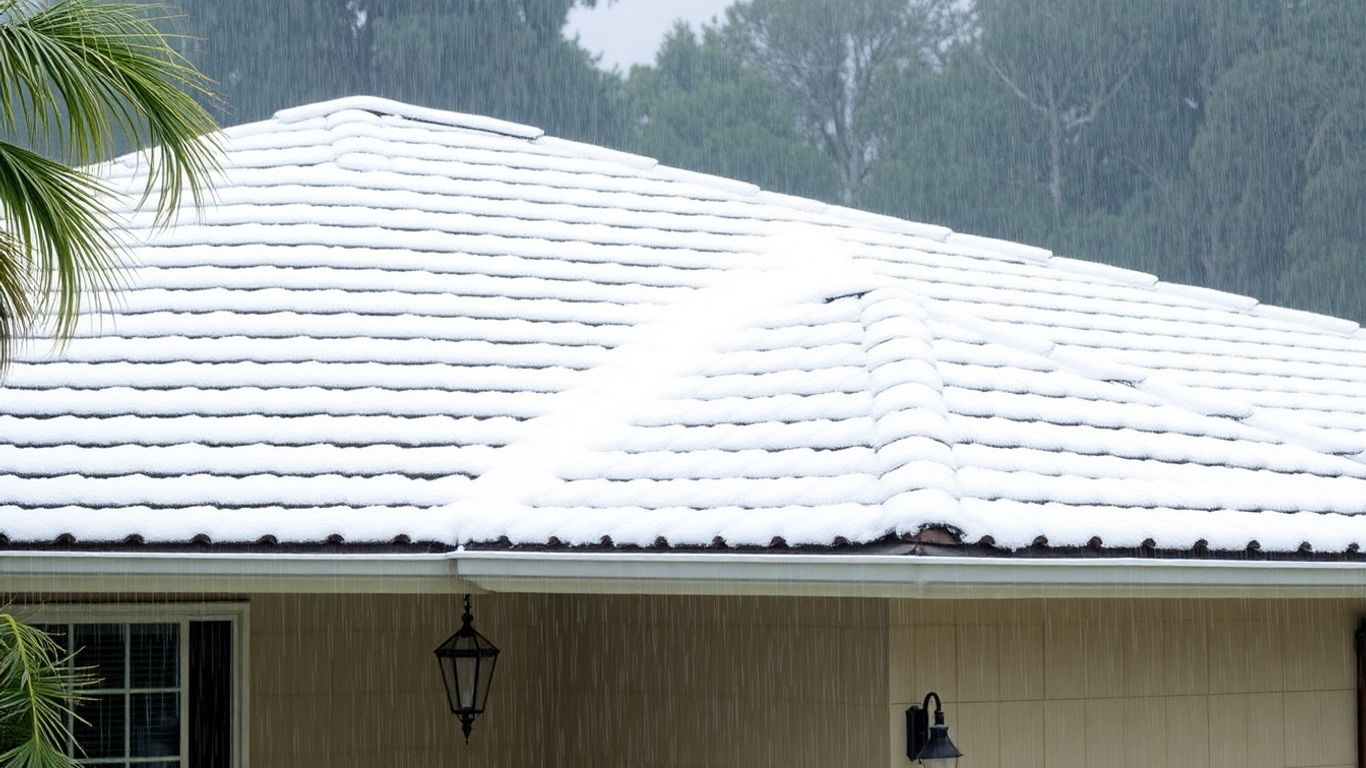
Many folks think Florida is too warm for roof problems related to cold weather. That’s a common misconception, but it’s not entirely accurate. While we don’t get blizzards, our state does experience temperature swings, and these can put stress on your roof.
Understanding Temperature Swings and Roof Stress
Florida’s weather can be quite unpredictable. We might have a warm afternoon, followed by a surprisingly chilly evening. This constant back-and-forth between hot and cold causes roofing materials to expand and contract. Think of it like stretching and shrinking a rubber band over and over – eventually, it can weaken.
- Expansion and Contraction: Materials like asphalt shingles can become brittle when cold and expand when hot. This repeated movement can lead to small cracks or cause shingles to lift.
- Material Differences: Different parts of your roof might be made of various materials, and they all react differently to temperature changes. This can create friction and stress at connection points.
- Hidden Damage: Even if you don’t see a leak, moisture can get into tiny cracks caused by temperature stress. This trapped water can lead to rot or mold over time, which is much harder and more expensive to fix.
Even a few degrees below freezing can be enough to cause issues if your roof isn’t in top shape. It’s not just about snow; it’s about the stress from rapid temperature changes.
The Myth of Florida’s Immunity to Cold
It’s easy to believe that because we don’t have harsh winters, our roofs are safe from cold-related damage. However, even brief cold snaps can affect roofing materials, especially if they’re already aging or have minor damage. Ignoring the possibility of cold weather impact is a mistake many Florida homeowners make.
Why Winter Inspections Matter for Orlando Roofs
Even in a place like Orlando, where winters are mild, getting your roof checked before or during the cooler months is a smart move. It helps catch small issues before they become big problems, especially those caused by temperature fluctuations. Regular checks can save you from costly repairs down the line. If you’re looking for a reliable roofer, consider checking out Red Rhino Roofing in St. Cloud, FL for their replacement services.
Here’s why a winter inspection is a good idea:
- Early Detection: A professional can spot minor cracks, loose shingles, or potential weak spots that might worsen with cold weather.
- Preventative Care: They can clear debris from gutters and valleys, which can trap moisture and cause ice dams if temperatures drop low enough.
- Peace of Mind: Knowing your roof is in good condition can give you peace of mind during those rare chilly nights.
Don’t assume Florida’s climate means your roof is immune to cold weather problems. A little preventative maintenance goes a long way.
Beyond the Rain: Protecting Your Roof Year-Round
Florida might be known for its sunshine, but we get our fair share of rain, and sometimes, even a bit of unexpected cold. Thinking your roof only needs attention when the skies open up is a common mistake. There’s actually a lot you can do throughout the year to keep it in good shape, long before any serious weather hits.
Addressing Minor Damage Before It Escalates
It’s easy to ignore a single missing shingle or a small crack. You might think, "It’s not leaking, so it’s fine." But that little problem can turn into a big headache fast. Water can sneak under that shingle, causing rot or damage to the underlayment. Catching these small issues early is way cheaper and easier than fixing major water damage later. Think of it like a small cavity in your tooth – ignoring it leads to root canals, right? Your roof is no different.
The Importance of Gutter Maintenance
Gutters are like the drainage system for your roof. If they get clogged with leaves, twigs, or whatever else the wind blows in, water has nowhere to go. It backs up, potentially seeping under your roof’s edges or overflowing down your walls. This can damage siding, foundations, and even the fascia boards.
Here’s a quick rundown on keeping gutters clear:
- Clean them out regularly: Especially after windy days or during the fall leaf season. You can do this yourself or hire someone.
- Check for flow: After cleaning, run some water through them with a hose. Make sure it drains properly through the downspouts.
- Seal any leaks: Look for gaps where sections connect or at the downspouts. A little sealant can prevent drips and water stains.
- Ensure proper drainage: Make sure downspouts direct water well away from your house’s foundation.
Trimming Trees for Roof Health
Those beautiful trees in your yard? They can be a real threat to your roof if they hang too low. Branches rubbing against shingles can wear away the protective granules over time. Worse, during a storm, a falling branch can cause serious damage, from cracked tiles to punctured shingles.
Even small twigs can cause damage by scraping the surface of your shingles, wearing down their protective layer. It’s best to keep branches trimmed back several feet from the roofline. If you have large trees, it’s often safer to call a professional arborist to handle the trimming.
Common Roofing Myths Debunked for Homeowners
It’s easy to fall for common ideas about roofs, especially when you’re trying to save a buck or just don’t think about it much. But some of these ideas can actually cost you more in the long run. Let’s clear up a few of those persistent myths.
"If It’s Not Leaking, It Must Be Fine"
This is a big one. Just because you don’t see water dripping from your ceiling doesn’t mean your roof is in perfect shape. Small issues, like tiny cracks in the sealant around vents or shingles that are starting to lift, can let water in slowly. By the time you spot a water stain, there could already be rot or mold growing underneath. It’s like ignoring a small cavity; it just gets worse.
Don’t wait for visible signs of damage. Regular checks can catch problems before they become major headaches.
"I’ll Just Keep Patching It"
Sure, a patch can fix a small problem temporarily. But if you find yourself constantly calling for minor repairs, those costs add up. Think about it: a new roof, while a bigger upfront expense, might actually be more cost-effective over time. Plus, you get the benefit of a completely updated system that offers better protection and maybe even improved energy efficiency. Sometimes, a full replacement is the smarter long-term play.
"All Shingles Are Basically the Same"
This couldn’t be further from the truth. Shingles vary a lot in quality. Cheaper options might look okay initially, but they often don’t stand up well to Florida’s intense sun, sudden storms, or strong winds. Higher-quality shingles are built to last longer and perform better, meaning fewer repairs and a more reliable roof over your head. When you’re looking at materials, consider how they’ll handle the local weather; for instance, some metal roofing options are quite resilient against hail. Check out roofing material options that suit our climate.
Here’s a quick look at how different materials might perform:
| Material | Durability Against Sun | Wind Resistance | Typical Lifespan |
|---|---|---|---|
| Basic Asphalt | Fair | Good | 15-25 years |
| Premium Asphalt | Good | Very Good | 25-30+ years |
| Metal | Very Good | Excellent | 40-70+ years |
| Tile | Excellent | Excellent | 50+ years |
Proactive Steps for Optimal Roof Maintenance in Orlando
The Benefits of Preventive Maintenance
Thinking about roof maintenance might not be the most exciting thing, but honestly, it’s like getting an oil change for your car. Skip it, and you’re asking for big trouble down the road. For your roof, ignoring small issues can turn into major, expensive problems, especially with Florida’s weather. Regular check-ups and upkeep can really make your roof last longer, saving you from needing a whole new one too soon. Plus, a well-kept roof can even help with your energy bills by stopping air leaks and water damage. It’s a smart investment that pays off.
When to Call a Professional Roofer
While you can spot some obvious problems yourself, there are definitely times when you need to bring in the pros. If you see things like shingles that look like they’re lifting, nails popping up, or flashing that seems loose, it’s time to call someone who knows what they’re doing. Roofers have the right gear and know-how to get on your roof safely and check those tricky spots you can’t see from the ground. They can also spot subtle wear and tear that could lead to bigger issues later.
- Schedule an inspection before the rainy season starts. This gives you time to fix anything before heavy downpours hit.
- Call after a major storm. High winds or heavy rain can cause damage you might not notice right away.
- If you see any signs of leaks inside your home. This is a clear indicator that something needs immediate professional attention.
DIY Checks vs. Professional Inspections
You can definitely do a quick walk-around of your house and look up at your roof. See any shingles missing? Does any part of the roof look like it’s sagging? Those are good starting points. But honestly, a lot of what a roofer looks for isn’t visible from the ground. They’ll get up there and check the flashing around chimneys and vents, look at the seals, and really get a feel for the overall condition of your roof.
A professional inspection gives you a detailed report. It’s like a health check-up for your roof, helping you plan for any work that might be needed before it becomes an emergency. It’s better to know what’s going on than to be surprised by a leak during a storm.
Choosing the Right Materials for Florida’s Climate
When you’re thinking about a new roof for your Florida home, picking the right stuff matters. It’s not just about how it looks, but how it holds up against our unique weather. We get a lot of sun, heavy rain, and sometimes, those surprising cold snaps can still put a strain on things.
Asphalt Shingles and Temperature Fluctuations
Asphalt shingles are super common here, and for good reason. They’re usually the most budget-friendly option and handle our typical rainy days pretty well. But, asphalt can get a bit brittle when it gets colder. If something hits it when it’s brittle, like a falling branch, it might crack. Even just the daily up-and-down of temperatures, from warm days to cooler nights, can make shingles curl or loosen over time. It’s not usually a big deal, but it’s something to keep in mind.
Durability of Metal and Tile Roofs
Metal roofs are becoming really popular, and they’re pretty tough. They tend to handle temperature changes better because the whole sheet expands and contracts together. If installed right, they can last a long time. Tile roofs, like clay or concrete, are also a classic Florida look. They’re great in the heat, but they are heavy, so your roof structure needs to be able to handle the weight. If water gets into tiny cracks in the tiles and then freezes (which is rare but can happen), it can cause damage. It’s always a good idea to have a professional check out your roof structure before going with heavy materials.
Considerations for Flat or Low-Slope Roofs
Some homes, especially certain commercial buildings or modern designs, have flat or low-slope roofs. The main challenge here is water drainage. If water sits on the roof and then we get a freeze, that freeze-thaw cycle can weaken the roof surface over time. Making sure these roofs have proper drainage is key to preventing problems. For these types of roofs, materials like TPO or EPDM systems are often used, and their installation needs to be spot-on to prevent leaks.
The constant expansion and contraction of roofing materials due to temperature shifts can create tiny openings where water can eventually seep in. This slow moisture intrusion can lead to hidden damage like wood rot and mold, which are often more costly to fix than an obvious leak.
When you’re looking at options, it’s smart to talk to local experts. They know what works best in our area. For instance, many homeowners are finding that stone-coated metal roofing offers a great balance of protection and style for Florida living. Getting a professional opinion can help you avoid costly mistakes down the line, and it’s worth looking into companies that specialize in Florida roofing solutions.
Warranty Wisdom and DIY Dangers
Understanding Your Roof’s Warranty
It’s easy to think that once your roof is installed, you’re covered for just about anything. But here’s the thing: not all warranties are created equal, and many come with some pretty specific fine print. For instance, if your roof wasn’t put on exactly according to the manufacturer’s guidelines, or if the attic ventilation isn’t quite right, you might find out your warranty is actually no good. It’s really important to know what your warranty actually covers before you need it. A solid warranty usually starts with a proper installation, which is why picking a certified contractor who knows all the ins and outs is a smart move. You can find reputable roofers who can guide you through material choices and installation details, like those at Red Rhino Roofing.
The Risks of DIY Roof Repairs
Look, I get it. When something goes wrong, the first thought might be to just fix it yourself and save a few bucks. But unless you’ve got serious experience, the right tools, and a good head for heights, tackling roof repairs yourself is usually a bad idea. Roofing is dangerous work, and even a small mistake during a DIY fix can lead to much bigger problems down the road. Plus, one wrong step could mean a serious injury or even more damage to your roof. While it might seem cheaper upfront, hiring a professional can actually save you a lot of money and headaches in the long run.
Recognizing Cosmetic vs. Serious Issues
Sometimes, you see a little discoloration, a bit of moss, or maybe a slight sag on your roof and think, "Ah, it’s just cosmetic." It’s tempting to ignore these small things, but on a roof, they can be early warning signs. That sag could mean the wood underneath is getting waterlogged, and moss might be trapping moisture against your shingles. Even a small stain could be a hint that your shingles are starting to break down. What looks like a minor issue now can quickly turn into a much bigger, more expensive problem if you don’t address it. Getting a professional to take a look can help you catch these things before they become major headaches.
It’s always better to be proactive. Think of your roof like your car – regular check-ups and maintenance can prevent major breakdowns and keep things running smoothly for years to come. Ignoring small problems is just asking for trouble later on.
When it comes to your roof, understanding warranties is key. But trying to fix things yourself can sometimes lead to bigger problems. Don’t risk making a small issue worse! Visit our website to learn more about protecting your home and when to call the pros.
Final Thoughts: Keeping Your Florida Roof in Shape
So, we’ve busted some common ideas about Florida roofs. It turns out, even without snow, our homes’ tops can face issues from weather changes. Think of it like this: just because we don’t get blizzards doesn’t mean we can forget about our roofs. Regular check-ups, like getting a yearly inspection, are a smart move. It’s better to catch a small problem early than wait for a big leak to show up. Keeping an eye on your roof, especially after any unusual weather, can save you a lot of hassle and money down the road. A little bit of care goes a long way in making sure your roof stays strong, no matter the season.
Frequently Asked Questions
Does Florida really need to worry about cold weather affecting its roofs?
Yes, even though Florida doesn’t get harsh winters like other states, sudden cold snaps can still stress roofs. Temperature changes can make materials expand and contract, leading to small cracks or loose shingles. It’s not about snow, but about the temperature swings.
If my roof isn’t leaking, is it okay?
Not necessarily. Small issues like slightly lifted shingles or tiny cracks might not cause a leak you can see right away. But water can still get in, causing hidden damage like mold or wood rot. Regular checks are important to catch these early signs.
Is it better to keep patching small roof problems or get a new roof?
While patching might seem cheaper at first, if you’re constantly fixing small issues, the costs can add up. Sometimes, investing in a new roof is more cost-effective in the long run. It can also improve your home’s energy efficiency and look.
Are all roofing shingles the same quality?
No, shingles can vary a lot. Cheaper ones might not hold up as well against Florida’s sun, wind, and occasional cold. Better quality shingles are built to last longer and handle different weather conditions better, saving you money on repairs over time.
When should I call a professional roofer?
If you notice anything unusual like water stains inside, strange noises, or if you’re unsure about the safety or cause of a problem, it’s time to call a pro. Roofs can be dangerous to work on, and identifying the exact issue requires expertise.
What’s the best way to maintain my roof in Florida?
Regular professional inspections, usually once a year, are key. Also, keep your gutters clean to prevent water backup, trim trees with branches that might hit your roof, and fix any small issues like missing shingles as soon as you spot them. Good attic ventilation also helps.