
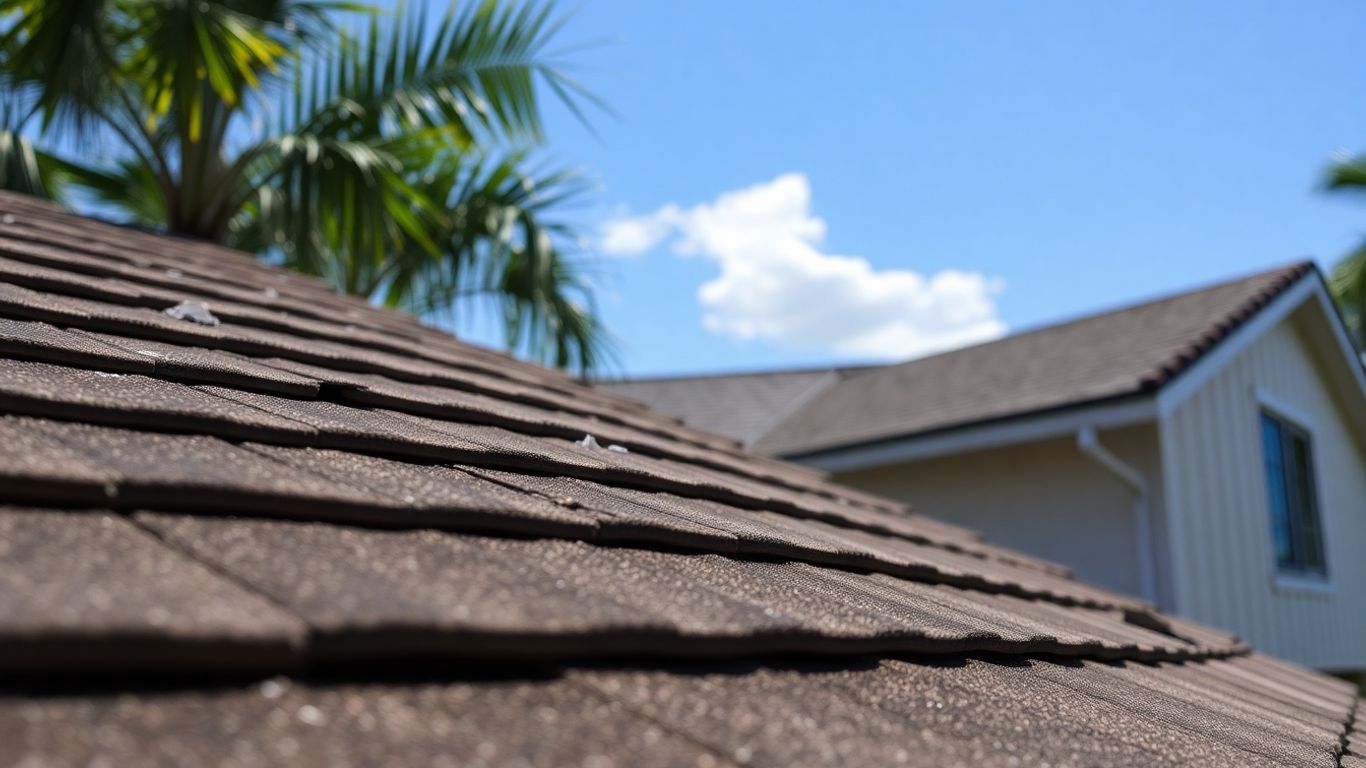
Living in Kissimmee means dealing with our share of Florida weather, and your roof takes a beating year-round. Sometimes, it’s hard to tell if your roof just needs a little TLC or a full-blown repair. You might notice a drip here or there, or maybe your energy bills seem a bit higher than usual. We’ve put together some common signs that usually mean it’s time to call in the pros for a roof repair in Kissimmee before things get worse.
Key Takeaways
- Look for water stains on ceilings or walls, which are clear signs of leaks needing prompt roof repair in Kissimmee.
- Missing, cracked, or curling shingles mean your roof’s protection is compromised and needs attention.
- A sagging roof deck indicates serious structural issues that require immediate professional assessment.
- Aging roofs often show wear like granule loss or brittleness, signaling a need for repair or replacement.
- Unexplained high energy bills can sometimes point to roof insulation problems that a roof repair in Kissimmee can fix.
1. Visible Leaks or Water Damage
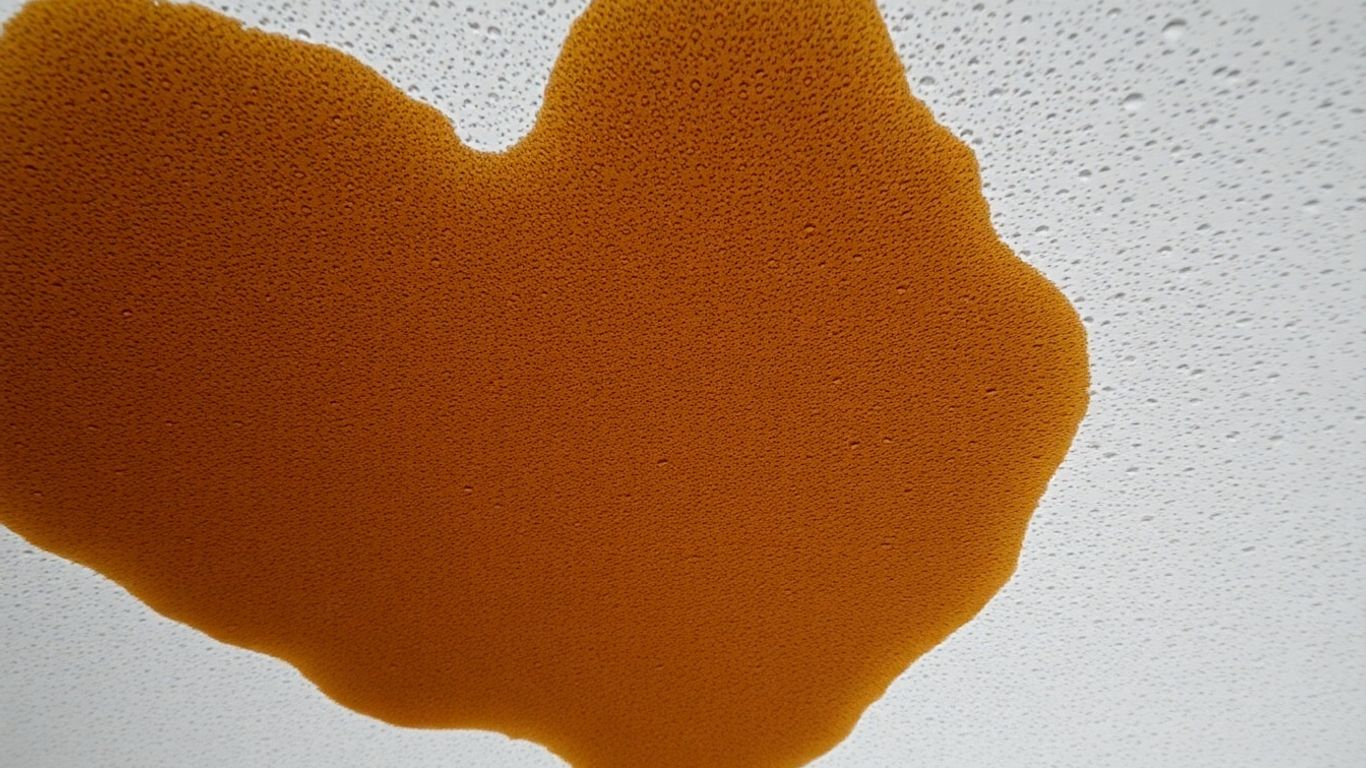
Okay, so you’re in Kissimmee, and maybe you’ve noticed a drip or two. It might seem small, like just a little annoyance, but those drips are actually your roof yelling for help. Water getting inside your home is a big deal and usually means something’s wrong up there. It’s not just about a wet spot on the ceiling; that water can sneak into your walls, mess with your insulation, and even start to rot the wood structure of your house. Think of it like a tiny crack in a dam – it might not look like much, but it can lead to a much bigger problem down the line.
When you see water stains, especially on your ceiling or walls, that’s a pretty clear sign. It could be from a missing shingle, a crack in the flashing around your chimney, or even a problem with your gutters not directing water away properly. Sometimes, you might not see a direct drip, but you’ll notice discoloration or peeling paint on your ceiling, which also points to moisture getting in.
Here are some places to check:
- Attic: Look for any water stains on the rafters or the underside of the roof decking.
- Ceilings: Keep an eye out for yellow or brown stains, especially after it rains.
- Walls: Water can travel, so a ceiling stain might mean the wall is also affected.
Don’t ignore these signs. What starts as a small leak can quickly turn into a costly repair job that affects more than just your roof. It’s better to get it checked out sooner rather than later.
2. Missing or Damaged Shingles
Shingles are like the scales on a fish, protecting what’s underneath. When they’re gone or looking rough, your roof’s main job of keeping water out is seriously compromised. You might notice shingles curling up at the edges, cracking, or even just missing entirely after a strong wind or a big storm. This isn’t just about how your house looks, though that’s part of it. Missing shingles leave the underlayment and the roof deck exposed to rain, sun, and wind, which can lead to rot and leaks.
Think about it: a single missing shingle is like leaving a window open during a downpour. Water can seep in, causing damage to the wood beneath, and eventually, it can find its way into your attic and ceilings. It’s a domino effect that starts with something seemingly small.
Here are a few things to look for:
- Curling: Shingles that start to curl upwards, especially at the edges, are often a sign they’re getting old and brittle.
- Cracking: You might see splits or cracks in the shingles themselves. This makes them weak and prone to breaking off.
- Bald Spots: If you see areas where the protective granules have worn away, leaving the shingle looking bare, that’s another warning sign.
- Loose Shingles: Shingles that are lifting or not lying flat are not doing their job properly.
If you spot any of these issues, it’s a good idea to get a professional opinion. They can assess the extent of the damage and recommend whether a simple repair or a full replacement is needed. Getting a handle on damaged shingles early can save you a lot of headaches and money down the line, and RBS Roofing offers great residential roof repair services.
It’s easy to think a few missing shingles aren’t a big deal, especially if the leak isn’t obvious inside your home yet. But that exposed spot is a direct invitation for water to start its destructive work, weakening the materials and potentially leading to much larger problems if left unchecked.
3. Sagging Roof Deck
If you’re looking up at your roof and notice any dips or low spots, that’s a big red flag. A sagging roof deck isn’t just unsightly; it’s a serious structural issue. This usually means the underlying support system, like the rafters or trusses, has been compromised.
What causes this? Often, it’s prolonged exposure to moisture that weakens the wood, or maybe the roof is just carrying too much weight from debris or old layers of shingles. Ignoring a sagging roof can lead to a complete collapse, which is obviously a major safety hazard.
Here’s what you should know:
- Structural Integrity: The deck is the foundation for your shingles. If it’s weak, the whole system is at risk.
- Water Damage: Moisture is the usual culprit, leading to rot and weakening the wood.
- Weight Load: Excessive weight, like from accumulated leaves or multiple shingle layers, can stress the structure.
If you spot any sagging, it’s time to call in the pros. They can figure out exactly what’s causing the problem and how to fix it properly. Sometimes it’s a simple repair, but other times it might mean replacing sections of the deck. Getting a professional assessment for roof repair in Kissimmee is the best next step.
A sagging roof means the structure beneath is likely failing. This isn’t something to put off, as it can quickly turn into a much bigger, more dangerous problem.
4. Signs of Aging or Wear and Tear
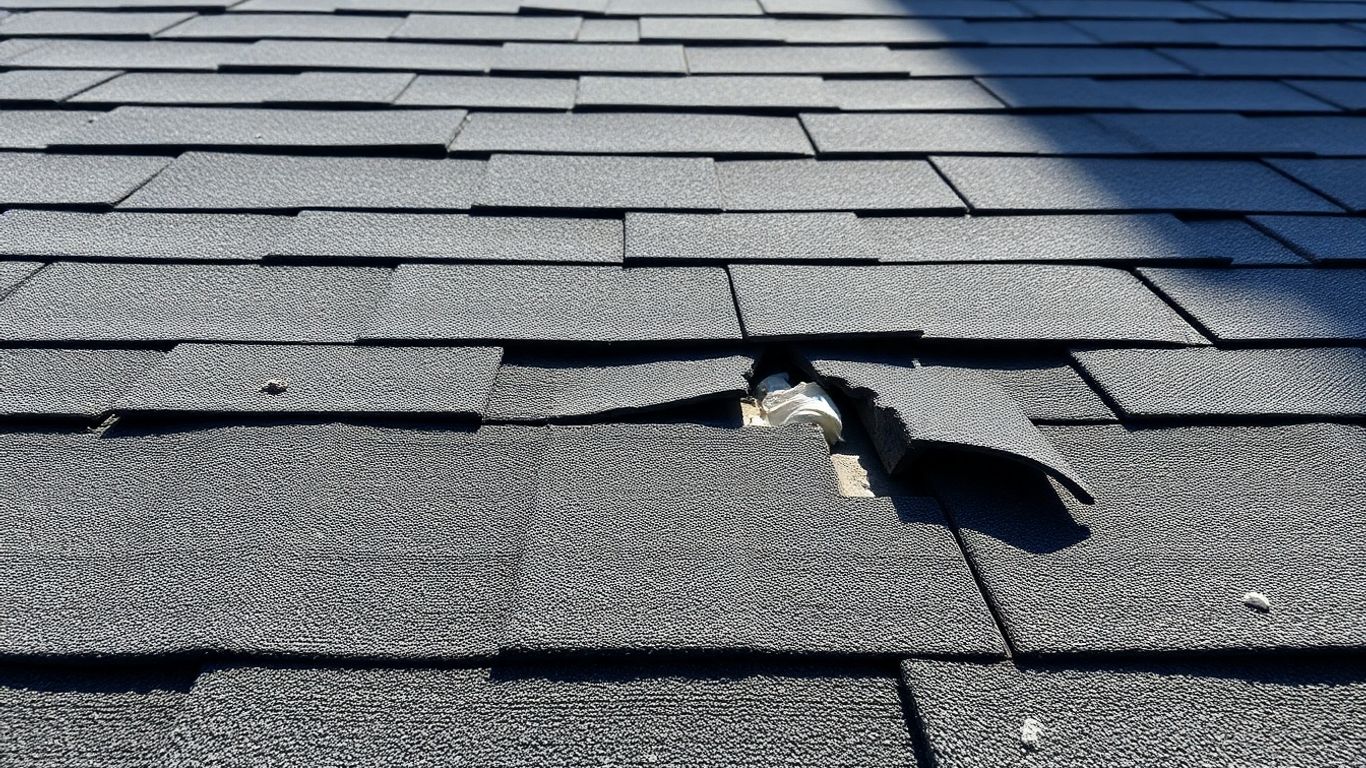
Roofs, just like anything else, don’t last forever. Over time, the constant battle with sun, rain, wind, and temperature changes starts to take its toll. You might not see a big leak right away, but little things start to show up that tell a story about your roof’s age.
Think about your shingles. Are they starting to look a bit faded compared to when they were first put on? Maybe some are curling up at the edges, or you’re noticing more granules in your gutters than usual. These are classic signs that the shingles are getting old and brittle. They’re not as good at their job of protecting your home anymore.
It’s also worth keeping an eye on how your roof looks overall. Sometimes, you might see patches that look different, maybe darker or with a bit of moss starting to grow. This can happen when water doesn’t drain off properly, which is another sign that things aren’t as they should be.
Your roof’s lifespan depends a lot on the materials used and the weather it’s seen. A roof that’s around 20-25 years old is often entering the stage where it needs more attention. Ignoring these subtle signs can lead to bigger problems down the road, like leaks or reduced energy efficiency.
Here are a few things to look out for:
- Fading or discoloration: Shingles losing their color means they’re breaking down.
- Curling or cracking: This makes shingles vulnerable to wind and water.
- Granule loss: Those little bits in the gutters are your shingles’ protective layer.
Paying attention to these details can help you catch issues early. Regular roof maintenance is a smart way to keep your home protected and avoid unexpected, costly repairs. It’s always better to address these wear-and-tear issues before they become major problems.
5. Algae Growth or Wet Spots
You might notice dark streaks or patches on your shingles, especially in shaded or damp areas. This is often algae, and while it might seem like just a cosmetic issue, it can actually eat away at your shingles over time. Think of it like a slow-motion attack on your roof’s protective layer.
Beyond algae, persistent wet spots are a big red flag. These areas indicate that water isn’t draining properly, which can lead to bigger problems like rot and mold. If you’re seeing these signs, it’s a good idea to get a professional to take a look. They can figure out why the water is hanging around and what needs to be done to fix it.
- Dark streaks or patches on shingles
- Areas of the roof that stay wet long after rain
- Moss growth, which also holds moisture
Ignoring these moisture-related issues can lead to more serious structural damage down the line, affecting not just your roof but also the inside of your home. It’s better to catch it early.
Addressing algae and moisture issues promptly is key to maintaining your roof’s health and preventing more costly repairs later on. For homeowners in Kissimmee, understanding these signs can help protect their investment. If you suspect you have these issues, reaching out for a professional assessment is a smart move. You can find reliable roof repair services in Kissimmee that can help diagnose and fix the problem.
6. High Energy Bills
It might not seem like a direct roof problem at first glance, but a struggling roof can really mess with your home’s temperature. Think about it: your roof is the first line of defense against the Florida sun and any chilly weather we get. If your shingles are old, damaged, or missing, or if your insulation isn’t doing its job, your heating and cooling systems have to work overtime. This means you’re likely seeing a noticeable jump in your monthly electricity or gas bills.
A compromised roof means your HVAC system is working harder than it needs to, directly impacting your wallet.
Here are a few ways a bad roof can lead to higher energy costs:
- Poor Insulation: Gaps or damage in your roof can let conditioned air escape and outside air seep in. This makes it harder for your AC or heater to maintain a comfortable temperature.
- Inadequate Ventilation: If your attic isn’t properly ventilated, heat can build up, making your entire house hotter. This forces your air conditioner to run longer and at a higher setting.
- Sunlight Penetration: Damaged or missing shingles can allow more sunlight to directly hit your attic and living space, increasing indoor temperatures.
If you’ve noticed your energy bills creeping up without any changes to your thermostat habits, it’s definitely worth taking a closer look at your roof. It could be the hidden culprit behind those higher costs.
7. Interior Damage
Sometimes, the problems with your roof don’t show up on the outside. You might not see a leak from the street, but you could notice something’s wrong once you’re inside your house. Look for water stains on your ceilings or walls, especially after it rains. These spots can start small and faint, but they’re a pretty clear sign that water is getting past your shingles and underlayment.
Another thing to watch for is mold or mildew. If you see fuzzy patches of black, green, or white, particularly in your attic or on the upper floors, that’s a big red flag. Mold loves damp, dark places, and a leaky roof provides just that. It’s not just unsightly; mold can affect your home’s air quality and cause health issues.
Don’t forget about the wood in your attic. If you notice any warping, softening, or even rot in the wooden beams or the underside of your roof deck, it’s a serious problem. This usually means moisture has been sitting there for a while, weakening the structure.
A small drip inside might seem minor, but it can lead to much bigger issues like damaged insulation, weakened structural beams, and even electrical problems if water gets into wiring. It’s best to get it checked out sooner rather than later.
Here are a few more interior signs to keep an eye on:
- Peeling or bubbling paint on ceilings or walls.
- Musty odors that don’t go away, even with ventilation.
- Damp spots on the inside of your walls, especially near the ceiling.
- Warped or discolored drywall.
8. Hail Damage
When a big storm rolls through Kissimmee, especially one with hail, it’s easy to think your roof is tough enough to handle it. But hail can actually do a surprising amount of damage, even if you don’t see big holes right away. Those little ice balls can smack into your shingles, knocking off the protective granules that keep your roof safe from the sun and rain.
Think of those granules like the scales on a fish – they overlap and protect what’s underneath. When they’re gone, the shingle itself is exposed and can start to break down much faster. You might not notice this immediately, but over time, it weakens your roof’s ability to keep water out.
So, what should you look for after a hailstorm?
- Dents or bruises on the shingles.
- Areas where the small, gritty granules have been swept away, leaving the shingle looking bare or discolored.
- Cracks or splits in the shingles themselves.
- Damage to other roof components like vents or flashing.
It’s really important to get your roof checked out by a professional after a significant hail event. They know exactly what to look for and can spot damage that might not be obvious to the untrained eye. Ignoring hail damage can lead to leaks and bigger problems down the road, and you don’t want that.
Sometimes, the damage from hail isn’t immediately obvious. It might take a few weeks or even months for the effects to become clear, like granule loss or small cracks that eventually lead to leaks. That’s why a post-storm inspection is so key.
9. Granule Loss
You know those little gritty bits you sometimes find in your gutters or washed down the driveway after a rainstorm? That’s likely asphalt shingles losing their protective granules. This is a pretty clear sign your shingles are getting old and worn out.
Shingles are covered in these tiny mineral granules. They’re like the shingles’ sunscreen, shielding them from the sun’s harsh UV rays and helping them shed water. When you start seeing a lot of these granules collecting, it means the shingles are degrading. It’s not just about the appearance; it’s about the shingle’s ability to do its job.
Here’s what to look out for:
- Granules in gutters: Check your downspouts and gutters for a layer of dark, gritty material.
- Bare spots on shingles: Look closely at your roof (from a safe distance or with binoculars) for areas where the granules seem to be missing, exposing the dark matting underneath.
- Granules on patios or walkways: If you notice them collecting on surfaces around your home, it’s another clue.
Losing granules makes shingles more vulnerable to sun damage and can shorten their lifespan. If you’re noticing this, it might be time to think about getting a professional inspection from a company like Red Rhino Roofing to see if a roof repair in Kissimmee is needed.
It’s easy to dismiss a little bit of grit as normal wear, but when it becomes a consistent thing, it’s your roof telling you it’s working harder than it should be. Think of it like losing the tread on your car tires – eventually, they just won’t grip the road anymore.
10. Cracked or Brittleness
Over time, the constant exposure to the Florida sun and occasional storms can really take a toll on your shingles. You might start noticing that they’re not as flexible as they used to be. When shingles become brittle, they are much more likely to crack or break. This makes them less effective at protecting your home from water. Think of it like old plastic – it gets stiff and snaps easily. If you walk on your roof (which you probably shouldn’t, but if you did) or even during a strong wind, brittle shingles can just shatter. This leaves the underlayment exposed, and that’s when leaks can start to happen.
It’s not just about the shingles themselves, either. The materials underneath can also become brittle and lose their integrity. This can lead to a breakdown of the entire roof system.
Here are a few things to look out for:
- Shingles that feel stiff and inflexible when you touch them.
- Visible cracks or splits in the shingles, especially along the edges.
- Shingles that break or crumble when you try to lift them slightly.
A roof that’s showing signs of brittleness is a roof that’s aging. It’s a clear signal that the materials are degrading and can no longer perform their protective duties as well as they once did. Ignoring this can lead to more significant problems down the line, like water damage or even structural issues.
If you’re seeing these signs, it’s a good idea to get a professional opinion. They can assess the overall condition of your roof and let you know if it’s time for some roof repair in Kissimmee or if a full replacement is needed.
When your roof shows signs of cracking or becomes brittle, it’s a clear signal that it needs attention. These issues can lead to bigger problems down the road if not addressed promptly. Don’t wait for minor damage to turn into major headaches. Visit our website today to learn more about how we can help keep your roof in top shape!
Don’t Wait, Protect Your Home
So, you’ve seen the signs, and maybe you’re starting to feel a little uneasy about your roof. That’s totally normal. Ignoring these issues, like leaks or those weird dark streaks, can really turn a small problem into a big, expensive headache down the road. Think of your roof as the main shield for your whole house, especially here in Kissimmee with our weather. Keeping an eye out for missing shingles or if your roof starts to sag is just smart homeownership. If you’re spotting any of these red flags, it’s probably time to call in a pro. Getting it checked out now can save you a lot of stress and money later on. Your home, and your wallet, will thank you for it.
Frequently Asked Questions
How often should I check my roof for problems?
It’s a good idea to look at your roof about twice a year, like in the spring and fall. Also, check it after any big storms just in case.
What are the biggest problems for roofs in Florida?
Florida’s weather, like strong sun and heat, can really wear down roofs. That’s why choosing the right materials is important.
How long do roofs usually last?
The life of a roof depends on what it’s made of. Some types might last 15-20 years, while others can go much longer.
What should I do if I see a leak?
If you spot a leak or water stains inside your house, it’s a clear sign your roof needs checking right away. Don’t wait, as it can cause more damage.
Are old shingles a big deal?
Yes, old or damaged shingles are a major warning. They are like the first line of defense, and if they’re bad, your whole house is at risk from rain and sun.
Can a bad roof make my energy bills higher?
Absolutely. A roof that isn’t working well can let heat in or out, making your air conditioner or heater work harder, which means higher bills.