
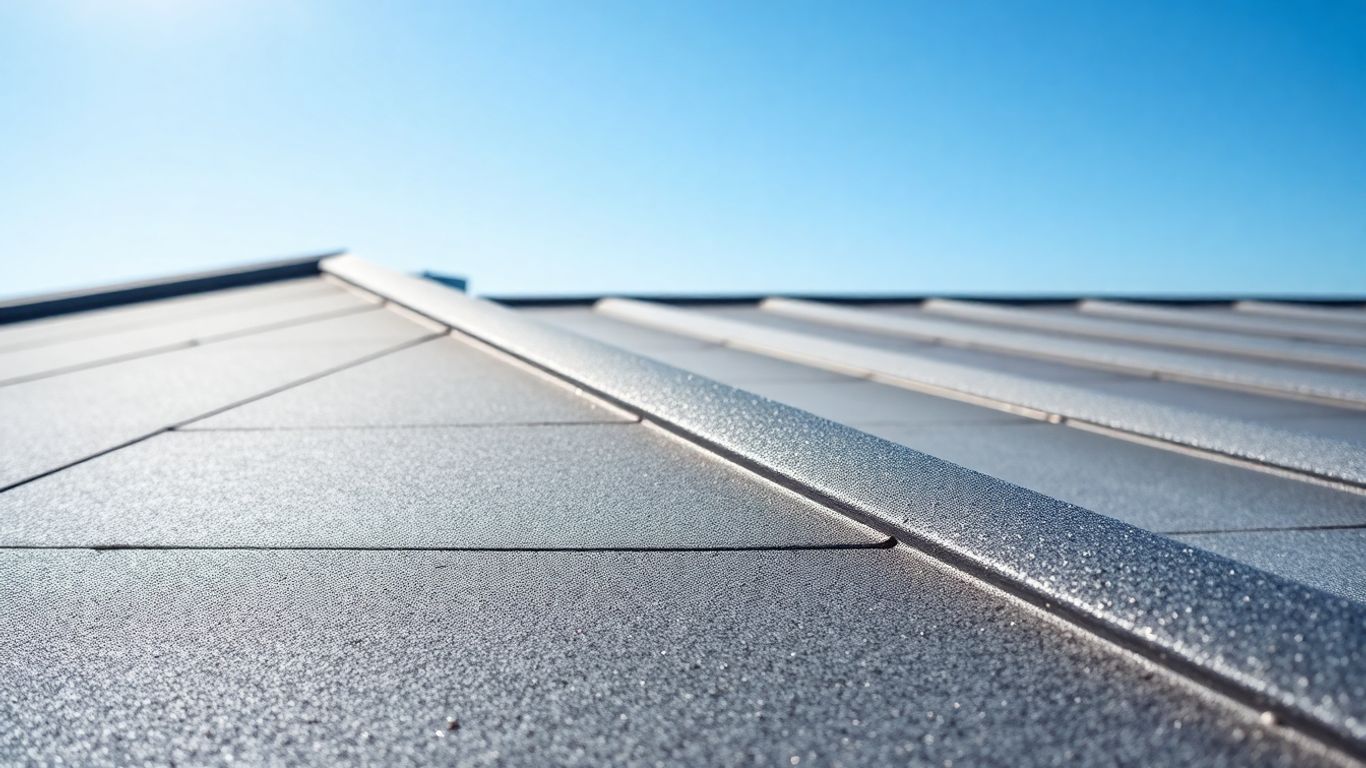
Orlando’s housing market is seeing some cool changes when it comes to roofs. It’s not just about keeping the rain out anymore. We’re talking about roofs that help save energy, last longer, and even look pretty neat. Think solar panels built right in, or materials that can handle Florida’s wild weather. This article is going to look at the new stuff happening with roofing materials in Orlando, and why it matters for your home.
Key Takeaways
- New roofing materials in Orlando are focusing on being eco-friendly, like green roofs with plants or materials made from recycled stuff.
- Energy efficiency is a big deal, with cool roofing tech and better insulation helping to keep homes cooler and lower electric bills.
- Smart roofing is coming into play, with solar integration and sensors that can help monitor your home’s condition.
- Durability is getting a boost with impact-resistant features and lighter materials that still hold up well against storms.
- Technology like drones is making roof inspections faster and safer, leading to more precise installation and repair work.
Embracing Sustainable Roofing Materials in Orlando
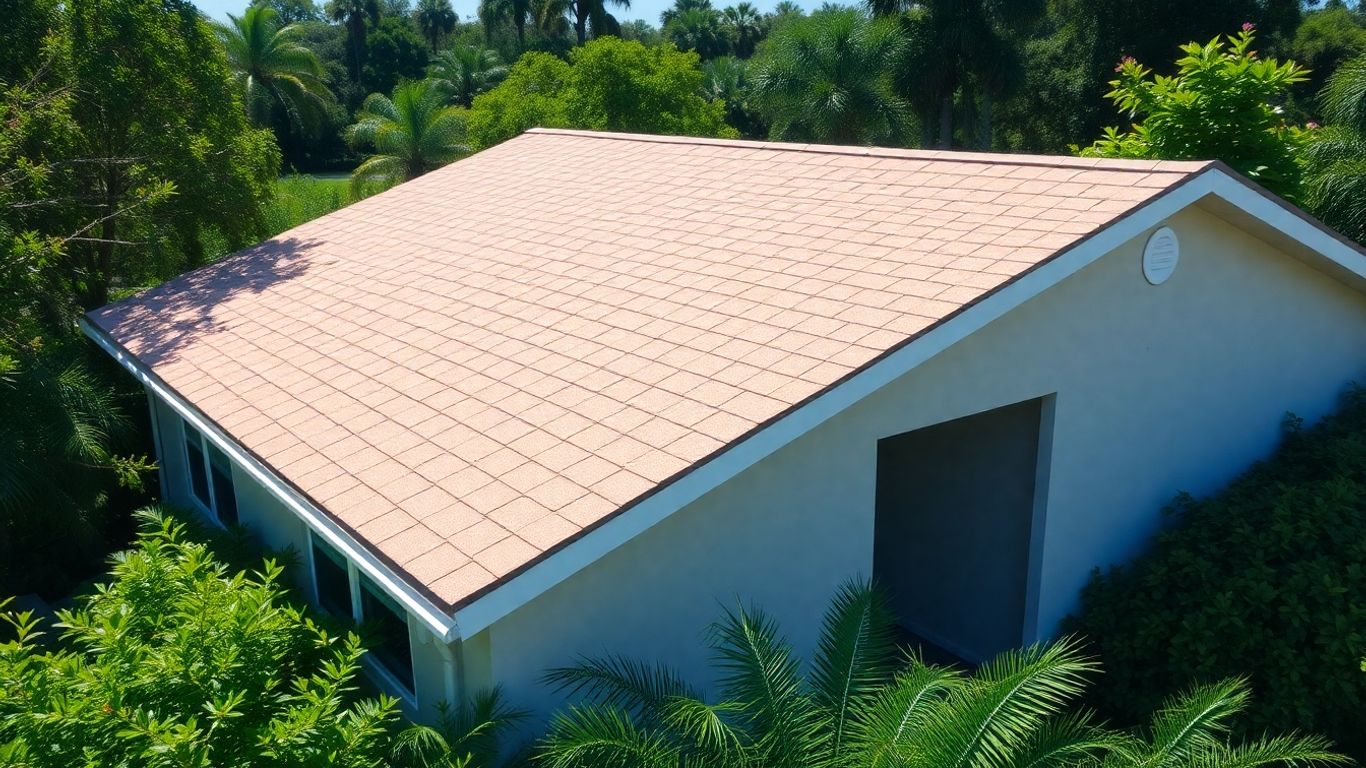
Orlando’s roofing scene is really changing, and a big part of that is how we’re thinking about sustainability. It’s not just about keeping the rain out anymore; it’s about building smarter and greener. We’re seeing a definite shift towards materials that are better for the planet and can actually save us money in the long run.
The Rise of Green Roofing Systems
Green roofs, often called living roofs, are popping up more and more. These aren’t just for show; they’re covered in plants and soil, which helps absorb heat and makes the air cleaner. Think of them as a natural air conditioner for your house. Plus, they can even add a bit of extra usable space to your home, which is pretty neat. It’s a way to bring a bit more nature right to your rooftop.
Eco-Friendly Materials and Their Benefits
When we talk about eco-friendly materials, we’re looking at things like recycled content in shingles or composite materials that last way longer than traditional options. Wood shakes and shingles, when treated properly, can also be a sustainable choice. These materials often require less maintenance and can have a longer lifespan, meaning fewer replacements and less waste over time. It’s about making choices that are good for your home and good for the environment.
Here’s a quick look at some benefits:
- Reduced Heat Absorption: Keeps your home cooler, lowering energy bills.
- Improved Air Quality: Plants on green roofs can help filter pollutants.
- Extended Roof Lifespan: Many sustainable materials are more durable.
- Lower Environmental Impact: Often made from recycled or renewable resources.
Choosing sustainable roofing isn’t just a trend; it’s a practical approach to homeownership in a changing climate. It’s about investing in a roof that performs better and contributes positively to the environment.
Reducing Environmental Impact with Advanced Options
Beyond green roofs, there are other advanced options making a difference. Cool roofing technologies, for example, are designed to reflect sunlight and heat away from the building. This is a big deal in a sunny place like Orlando. Materials like PVC and TPO membranes for flat roofs are also gaining popularity because they’re more durable and weather-resistant than older types. If you’re looking for a reliable roofer in Orlando, companies like Red Rhino Roofing are incorporating these advanced, eco-conscious materials into their work, helping homeowners make more responsible choices for their properties.
Energy Efficiency Through Innovative Roofing
Orlando’s sunny climate means keeping your home cool is a big deal, and your roof plays a huge part in that. Luckily, there are some pretty neat advancements happening in roofing that can really help cut down on your energy bills. It’s not just about keeping the rain out anymore; modern roofs are working harder to manage heat.
Cool Roofing Technologies for Orlando Homes
Think of a cool roof as wearing a light-colored shirt on a hot day instead of a dark one. These roofs use special materials that reflect more sunlight and absorb less heat. This means your attic and the rest of your house stay cooler, so your air conditioner doesn’t have to work overtime. You can find these reflective properties in various forms, from specially coated shingles to metal roofing with reflective finishes. It’s a straightforward way to make a big difference in your home’s comfort and your energy costs.
The Role of Advanced Insulation Materials
Beyond the surface, what’s happening inside your roof structure matters just as much. Advanced insulation materials are a game-changer here. We’re talking about things like spray foam insulation, which expands to fill every nook and cranny, creating a really effective barrier against heat transfer. Proper insulation keeps the cool air in during the summer and the warm air in during the winter, making your HVAC system more efficient and your home more comfortable year-round. It’s like giving your house a cozy blanket that works in both directions.
Reflective Coatings for Heat Reduction
Sometimes, you don’t need a whole new roof to get the benefits of cool roofing. Reflective coatings can be applied to existing roofs, especially those made of materials like asphalt or metal. These coatings are designed to bounce sunlight away, significantly reducing the amount of heat absorbed by the roof. This is a more budget-friendly option for homeowners looking to improve their home’s energy performance without a full roof replacement. It’s a smart way to get a cooler home and lower energy bills, especially in a place like Orlando where the sun is almost always shining.
Making smart choices about your roof’s materials and technology can lead to substantial savings on energy bills and a more comfortable living environment, especially in Florida’s warm climate.
Smart Roofing Technologies for Modern Homes
Roofs aren’t just about keeping the rain out anymore. We’re seeing some really cool tech pop up that makes your roof do more than just sit there. It’s like giving your house a brain, starting right at the top.
Integrated Solar Roofing Solutions
Forget those bulky, old-school solar panels. Solar roofing integrates photovoltaic cells directly into the shingles or tiles themselves. This means you get renewable energy without messing up your home’s look. It’s a way to generate power while keeping your roof looking sharp. Plus, these systems can actually help protect your home from the elements, acting as another layer of defense.
Smart Sensors for Home Monitoring
Imagine your roof telling you if something’s wrong before it becomes a big problem. That’s where smart sensors come in. These little gadgets can keep an eye on things like temperature and moisture levels. If they detect a potential crack or a damp spot that could lead to damage, they can send an alert straight to your phone. This early warning system can save you a lot of headaches and money on repairs down the line. It’s like having a built-in inspector working 24/7.
Home Automation and Roofing Integration
This is where things get really futuristic. Smart roofing can actually talk to your home’s automation system. Think about it: your roof could adjust its reflective properties based on the weather forecast, or your home’s thermostat could get a heads-up from the roof about rising temperatures. This kind of integration helps your whole house work together more efficiently, potentially lowering energy bills and making your home more comfortable. It’s all about making your home more responsive and efficient, and your roof is a key player in that system. For Florida homes, roofing materials that withstand heat and storms are crucial. Materials that reflect solar radiation, like those suitable for flat or low-slope roofs, can significantly reduce cooling costs and offer durability in the state’s climate [c632].
The idea is to move beyond passive protection to active management. Your roof becomes an active part of your home’s ecosystem, contributing to its overall performance and your comfort.
Advanced Materials for Enhanced Durability
When you’re thinking about your roof, it’s not just about keeping the rain out anymore. The materials used today are way more advanced, built to last longer and handle whatever Orlando throws at them. We’re seeing a big shift towards products that offer serious protection without adding a ton of weight to your home.
High-Performance Flat Roof Membranes
For homes with flat or low-slope roofs, the membrane material is everything. Forget the old stuff that would crack and leak after a few years. Today’s options are much tougher. Think:
- TPO (Thermoplastic Polyolefin): This is a single-ply roofing membrane that’s really popular. It’s known for being durable, energy-efficient (especially the white versions that reflect sun), and resistant to UV rays and chemicals. It’s also pretty flexible, which helps it handle building movement.
- EPDM (Ethylene Propylene Diene Monomer): Often called rubber roofing, EPDM is a synthetic rubber membrane that’s super tough. It’s great at handling extreme temperatures, both hot and cold, and it’s really resistant to punctures and tears. It’s a solid choice for flat roofs that need to stand up to a lot.
- PVC (Polyvinyl Chloride): This is another strong single-ply membrane. PVC roofs are known for their resistance to fire, chemicals, and punctures. They’re also often heat-welded, creating a really strong, waterproof seam that’s hard to break.
These membranes are designed for longevity, meaning fewer repairs and replacements down the line. It’s a smart investment for keeping your home protected.
Impact-Resistant Roofing Features
Orlando can get some wild weather, including hail and strong winds. That’s why impact-resistant roofing is becoming a must-have. These materials are specifically engineered to take a beating.
- Class 4 Impact Resistance: This is the highest rating for impact resistance. Shingles or materials with this rating have been tested to withstand impacts from large hailstones (up to 2 inches in diameter) without cracking or breaking. This can significantly reduce damage during severe storms.
- Reinforced Shingle Construction: Many modern shingles, even asphalt ones, have a reinforced matting or fiberglass base. This makes them much less likely to crack or tear when hit by debris or hail.
- Metal Roofing: While metal roofs are inherently strong, some are now coated with special granular surfaces that add an extra layer of impact protection, making them even more resilient.
Choosing impact-resistant materials can save you a lot of hassle and money on repairs after a storm. It’s about building a roof that can truly handle the elements.
Lightweight Roofing Alternatives
Sometimes, you need a durable roof that doesn’t weigh down your home’s structure. This is where lightweight alternatives shine. They offer the look and protection of heavier materials but are much easier to handle during installation and put less stress on your house.
- Synthetic Slate and Shingles: Made from recycled plastics and rubber, these materials mimic the look of natural slate or wood shakes but are significantly lighter. They are also very durable and resistant to impact and weather.
- Asphalt Shingles: While not the newest tech, modern asphalt shingles are lighter than tile or metal and have improved greatly in durability and wind resistance. They remain a popular choice for their balance of cost and performance.
- Metal Roofing: Despite being metal, many types of metal roofing, like standing seam panels, are surprisingly lightweight compared to traditional tile roofs. They offer excellent longevity and are a great option for adding durability without excessive weight.
These lighter options are great for older homes or situations where structural weight is a concern. They provide a robust protective layer without the heavy burden. If you’re considering a roof replacement, it’s worth looking into what Red Rhino Roofing offers in terms of durable and modern materials.
Technological Advancements in Installation and Inspection
Drone Technology for Roof Assessments
Forget climbing up rickety ladders or squinting at shingles from the ground. Drones have totally changed how roof inspections are done. These flying gadgets can get super close to your roof, capturing high-definition photos and videos. This means contractors can spot even tiny issues, like a loose shingle or a bit of moss growth, before they become big problems. It’s way safer for the inspectors, too. They can get a really detailed look without putting themselves at risk.
This new approach provides a much clearer picture of your roof’s condition, making it easier to decide on the best course of action, whether it’s a minor repair or a full replacement.
Advanced Installation Techniques
Installation isn’t just about nailing things down anymore. We’re seeing new methods that make the whole process quicker and more precise. Think about specialized tools that ensure materials are laid perfectly, or pre-fabricated components that speed things up on site. This not only saves time but also cuts down on waste. For homeowners, it means less disruption and a roof that’s installed with a higher level of accuracy. It’s about getting it right the first time.
Precision in Roofing Solutions
When we talk about precision, it’s about using data and smart tools to get the job done right. Companies are using software that helps them measure your roof accurately, calculate exactly how much material you need, and even plan the installation process down to the last detail. This kind of planning helps avoid mistakes and ensures that everything fits together perfectly. It’s like having a blueprint for every single roof, making sure the final product is solid and looks great. For example, using modern roofing shingles means precise cuts and fits are key to their aesthetic and performance.
Here’s a quick look at what makes these advancements stand out:
- Accuracy: Reduced guesswork in measurements and material needs.
- Efficiency: Faster project completion times.
- Quality: Improved installation standards and fewer callbacks.
- Safety: Less reliance on dangerous manual labor for inspections.
Adapting to Climate Change with Resilient Roofing
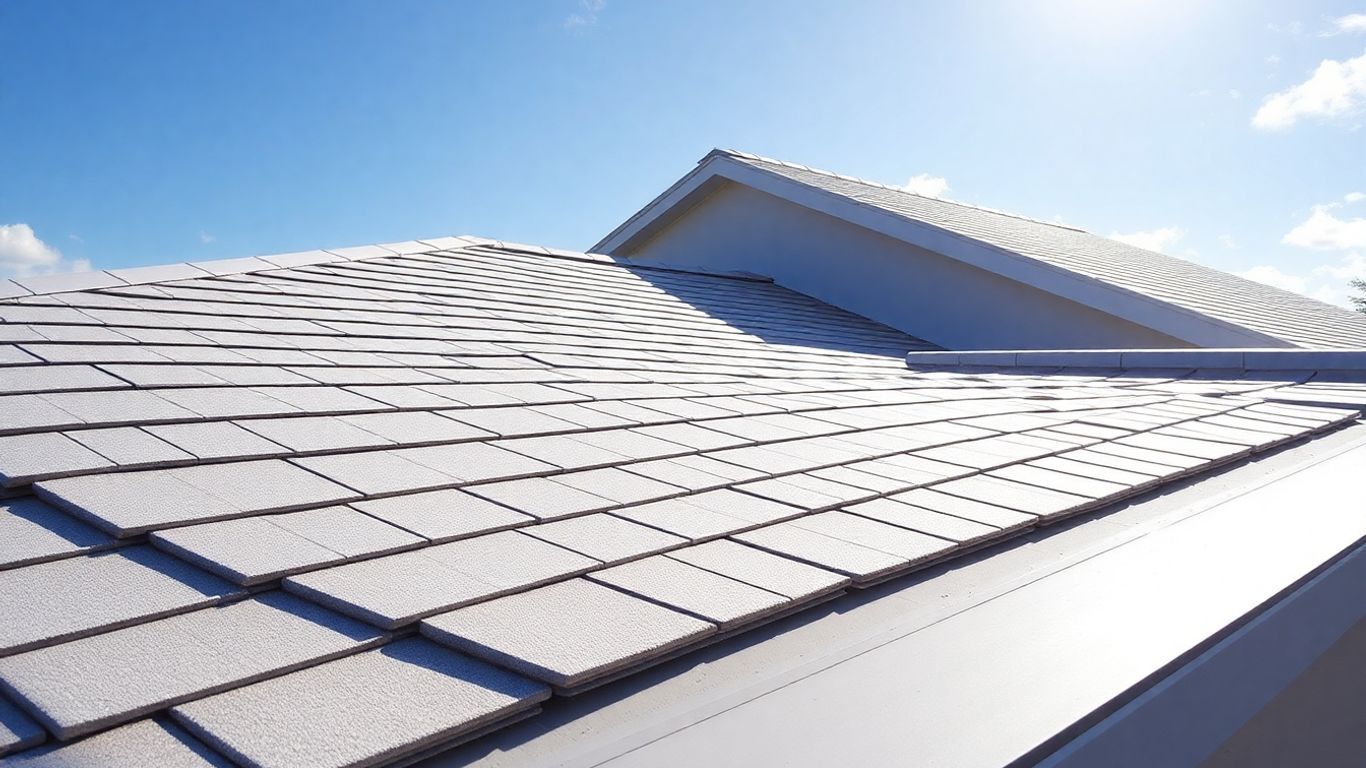
Orlando’s weather can be pretty intense, right? We’re talking about scorching sun, heavy downpours, and the ever-present threat of hurricanes. Because of this, the way we build and maintain our roofs has to change. It’s not just about keeping the rain out anymore; it’s about creating a roof that can really stand up to whatever Mother Nature throws at it.
Withstanding Orlando’s Weather Patterns
Our roofs are on the front lines against Orlando’s climate. Think about the constant humidity and the intense UV rays – they really wear down materials over time. That’s why newer roofing systems are being designed with this in mind. We’re seeing a move towards materials that don’t degrade as quickly under harsh sunlight and can handle the moisture without getting damaged. It’s about making sure your roof lasts longer and performs better, day in and day out.
Hurricane-Resistant Roofing Designs
When hurricane season rolls around, a strong roof is non-negotiable. Modern roofing solutions are incorporating features specifically to combat high winds and flying debris. This includes things like:
- Enhanced Fastening Systems: Better ways to secure roofing materials to the underlying structure, making them less likely to lift off.
- Impact-Resistant Materials: Shingles and tiles designed to withstand the force of hail and wind-blown objects.
- Aerodynamic Profiles: Some designs are even shaped to reduce wind uplift, making them more stable in severe storms.
The goal is to minimize damage and keep your home safe during extreme weather events. This focus on resilience means homeowners can have more peace of mind when storms approach. For those looking into tile options, understanding their specific wind ratings is key, as many tile roof repair specialists can attest.
Combating Urban Heat Island Effects
Orlando is growing, and with more concrete and buildings, the city can get significantly hotter than the surrounding rural areas – that’s the urban heat island effect. Roofs play a big part in this. Traditional dark roofs absorb a lot of heat, radiating it back into the environment and making everything hotter. That’s where ‘cool roofs’ come in. These use special reflective materials or coatings that bounce sunlight away instead of absorbing it. This not only helps keep your home cooler, reducing your energy bills, but it also helps cool down the entire neighborhood. It’s a smart way to make our city more comfortable and sustainable as it grows.
The Future of Orlando Roofing: Innovation and R&D
The roofing industry, traditionally a bit slow to change, is really picking up speed, especially here in Orlando. Companies are constantly looking for ways to make roofs better, smarter, and more eco-friendly. It’s not just about keeping the rain out anymore; it’s about roofs doing more for our homes and the planet.
Research into Self-Healing Materials
Imagine a roof that can fix its own minor cracks or damage. That’s the idea behind self-healing materials. Researchers are developing special coatings and composites that can react to damage, like UV light or heat, and essentially mend themselves. This could mean a roof that lasts much longer and requires fewer repairs over its lifetime. It’s still pretty new, but the potential is huge for reducing maintenance headaches and costs.
Next-Generation Solar Tiles
Solar power is already a big deal, but the next wave is integrated solar tiles. These aren’t just panels slapped on top; they’re designed to look like regular roofing materials – shingles, tiles, you name it – but they generate electricity. The goal is to make solar energy generation more attractive and accessible, blending seamlessly with a home’s design. We’re seeing improvements in efficiency and durability, making them a more practical option for homeowners looking to cut down on energy bills and their carbon footprint. It’s a smart way to power your home while keeping it protected.
IoT-Integrated Roofing Systems
This is where things get really futuristic. We’re talking about roofs that can talk to you, or at least, talk to your smart home system. Think sensors embedded in the roof that monitor things like temperature, moisture levels, or even structural stress. This data can then be used to optimize your home’s energy use, alert you to potential problems before they become serious, or even adjust ventilation based on weather conditions. It’s about making your roof an active, intelligent part of your home’s ecosystem. The ACMA is actively involved in pushing for advancements in these areas, focusing on innovation and sustainability within the composites industry.
The drive towards smarter, more resilient, and energy-producing roofs is reshaping how we think about our homes’ uppermost layer. It’s an exciting time for homeowners in Orlando as these innovations promise greater comfort, lower costs, and a reduced environmental impact.
Here’s a quick look at what these advancements could mean:
- Extended Lifespan: Self-healing materials could significantly reduce the need for replacements.
- Energy Independence: Integrated solar tiles offer a clean way to generate power.
- Proactive Maintenance: IoT sensors can help catch issues early, saving money and hassle.
- Environmental Benefits: More efficient materials and solar integration contribute to a greener future.
These developments are not just theoretical; they represent the tangible future of roofing, making our homes more efficient and sustainable. For those in Orlando, keeping an eye on these trends is a smart move for any property owner. Gravity Roofing is one company exploring these cutting-edge solutions.
Discover what’s new in Orlando roofing! We’re exploring exciting advancements and research that are shaping the future of how we protect our homes and businesses. Want to see how these new ideas can help your roof? Visit our website to learn more and get a free estimate!
Looking Ahead: The Future of Orlando Roofing
So, as we’ve seen, roofing in Orlando is really changing. It’s not just about keeping the rain out anymore. New materials and smart tech are making roofs work harder for us, saving energy and even helping the environment. Whether it’s solar tiles or super-insulating materials, these advances mean better comfort and lower bills for homeowners. It’s an exciting time to think about your roof, and keeping up with these innovations is definitely a smart move for any Orlando home.
Frequently Asked Questions
What are ‘cool roofs’ and why are they good for Orlando?
Cool roofs are specially designed to bounce back sunlight and soak up less heat compared to regular roofs. In a sunny place like Orlando, this helps keep your house cooler, meaning your air conditioner doesn’t have to work as hard, saving you money on electricity bills.
Are green roofs suitable for Orlando homes?
Yes, green roofs, which are covered with plants and soil, are great for Orlando. They help cool down your home and the surrounding area, improve air quality, and can even provide a nice spot for a small garden.
What are some new, strong roofing materials available?
New roofing materials are much tougher now. You can find options that are made to resist impacts from things like hail and strong winds, which is perfect for Orlando’s weather. Some are also lighter, making them easier to install.
How is technology changing how roofs are checked?
Drones are now used to inspect roofs. They can get a close look at any damage or wear from above without anyone having to climb on the roof. This is safer and gives a clearer picture for deciding on repairs.
Can my roof help generate energy?
Absolutely! Integrated solar roofing systems, like solar tiles, can capture sunlight and turn it into electricity or hot water for your home. This is a smart way to use Orlando’s sunshine to lower your energy costs.
What does ‘smart roofing’ mean for my house?
Smart roofing involves adding sensors to your roof that can monitor things like temperature and moisture. This technology can alert you to potential problems early on, helping you fix them before they become big, expensive issues.